
Women in Science – further profiles
Trainer of chemical laboratory assistants
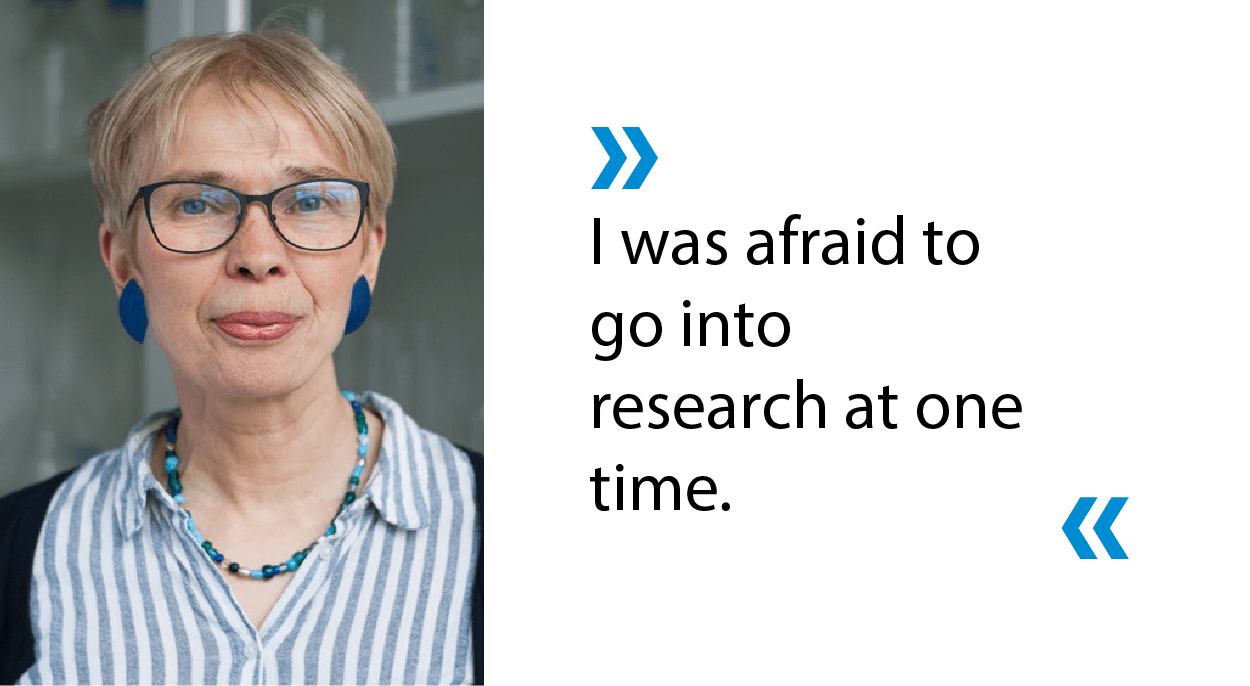
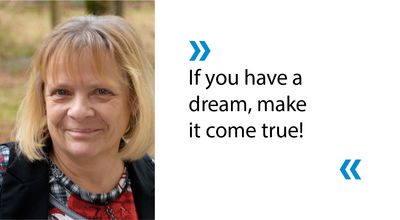
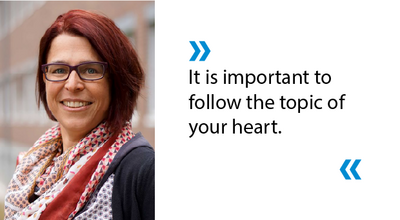
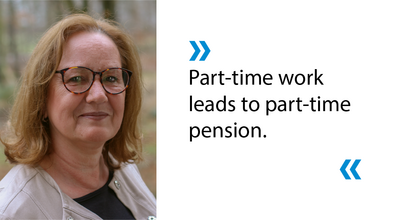
Researching chemistry has always been her dream. Marina Heuer has fulfilled this dream in a way. As a trainer of chemical laboratory assistants, she has been passing on her knowledge to trainees for the past eight years. "What I particularly enjoyed about this job was encouraging and challenging young people. And, of course, conducting research as part of doctoral projects," she reports. She will be retiring in the summer of 2023.
As a schoolgirl, she would never have believed that she would one day gain a foothold at a research institution such as the Thünen Institute. In the early 1980s, she abandoned her desire to study chemistry, instead training as a chemical laboratory assistant and working in the field of environmental chemistry. “I was afraid of it. Studying chemistry was a male domain back then. In general, I have observed throughout my life that girls and women shy away from pursuing leadership positions or scientific careers. But they can do it just as well!”
At the Thünen Institute of Agricultural Technology, she initially created the training framework for chemical laboratory assistants in 2009. "The gender ratio of candidates was always balanced, and there were always many women among the doctoral students," she reports. In 2022, the last of Marina Heuer's trainees took their final exams. “The training programme will no longer exist in its current form. However, I can imagine that a new training programme will be developed under the dedicated female leadership of the institute, but this time with a digital focus.”
What advice would she give to women in science? "Don't just be hard-working, be visible too. And stick together as women in science, regardless of whether you have a degree or not, whether you have children or not, whether you have a husband or wife or not."
Pioneer in the field of plant genetics
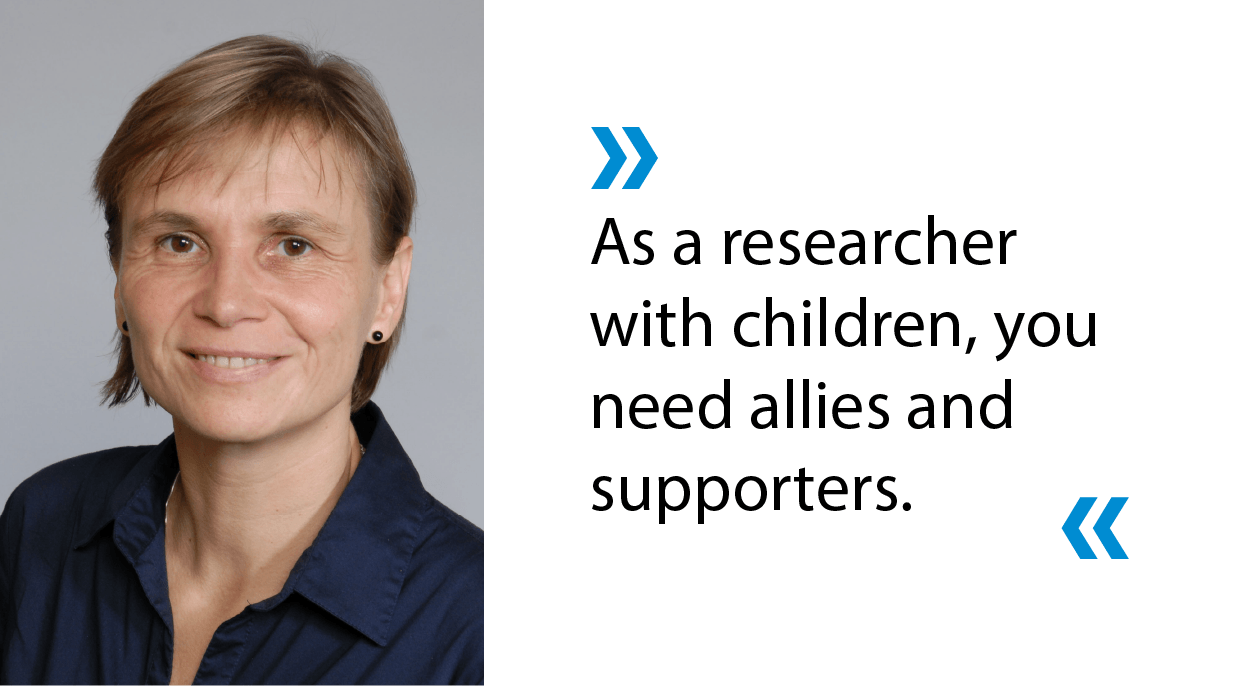
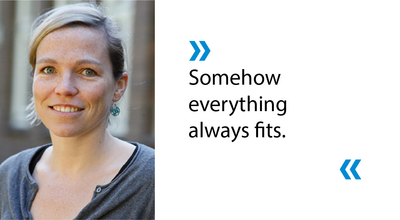
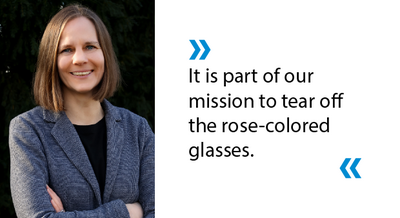
Trees fascinated Birgit Kersten even as a child during walks in the forest. This interest led her to study biology in East Berlin in the 1980s. At the same time, she had her two children. "In the GDR, it was common to start a family early. With the childcare available, it was quite feasible!" That's why she never gave up science. Her children have now left home, but the objects of her research remain. Since 2010, she has been working at the Thünen Institute of Forest Genetics on projects such as TaxGen, which aims to decode the genome of the European yew (Taxus baccata). The molecular biologist is particularly interested in the genetic basis of sex determination. She has done truly pioneering work in this field in researching the poplar genome. Together with two colleagues, she received one of the 2021 Thünen Research Awards for this work.
She had already been a pioneer in research once before – during her postdoctoral project in the field of plant protein chips at the Max Planck Institute (MPI) for Molecular Genetics: "In 2005, we were the first to present results in this field and published them before our American colleagues!" In 2006, Birgit Kersten switched to plant bioinformatics and took over as head of the GABI primary database at the MPI for Molecular Plant Physiology.
The upheavals following the fall of the Berlin Wall in 1989 and commitments to her job and family caused delays in her research career. In 2000, she completed her doctorate at the Charité hospital in Berlin. Seventeen years later, she qualified as a professor at the University of Potsdam. "Fortunately, I always had mentors, colleagues and supervisors who supported me!"
After numerous temporary projects, Birgit Kersten appreciates her permanent position as a research assistant. She also teaches as a private lecturer at the University of Hamburg. "I find teaching exciting. And it officially entitles me to supervise doctoral students externally."
Heads of departments at the Thünen Institute
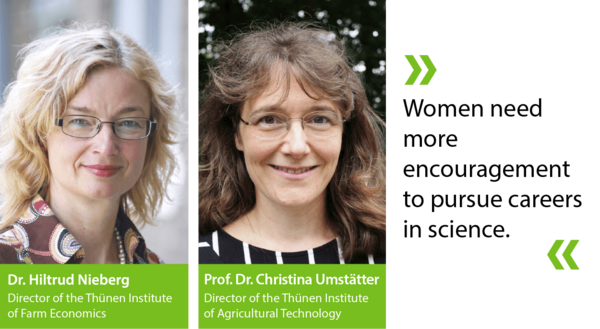
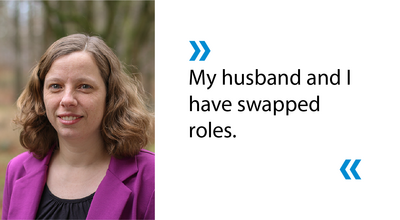
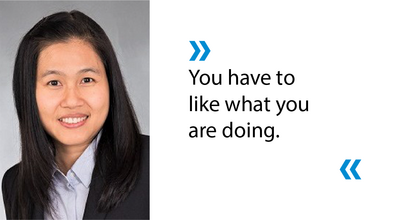
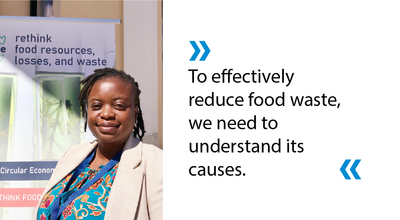
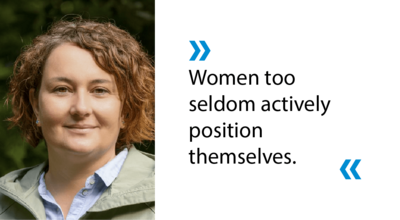
Hiltrud Nieberg (60) and Christina Umstätter (48) head two of the 15 specialist institutes at the Thünen Institute. The proportion of women among their scientists varies greatly. At the Institute of Business Economics, which Hiltrud Nieberg has headed for twelve years, it is almost 50 per cent. At the Institute of Agricultural Engineering, which Christina Umstätter took over in 2021, there are only two women among eleven research colleagues with permanent positions.
Agriculture still seems to be a male domain. According to the agricultural census, 36 percent of those employed in German agriculture are female. But only one in nine farms is run by a woman. However, the figures in the agricultural statistics do not do justice to the actual role of women in agriculture. This is shown by the initial results of a study on the living and working conditions of women in agriculture, which is being conducted jointly by the Thünen Institute and the University of Göttingen.
The picture is similar in academia: although many women study agricultural sciences, accounting for around half of all students, the higher the position, the fewer women there are. "Men also dominate agricultural committees, and I am often one of the very few women at discussion events or meetings," says Hiltrud Nieberg. However, she has also been involved in committees such as the Future Commission for Agriculture and has been a member of the Scientific Advisory Board for Agricultural Policy, Nutrition and Health Consumer Protection at the BMEL for many years – committees with almost equal representation.
According to Hiltrud Nieberg and Christina Umstätter, promoting women in science means above all encouraging women to choose a career in science and to gain the necessary qualifications. "Women need much more support in building their self-confidence; they too often doubt their abilities," says Christina Umstätter, who would like to see more creative freedom when filling new positions. This would benefit women in terms of higher qualifications.
Both institute directors see their own positions as important role models. Their message to young female scientists: "Be bold, always be curious, and don't let old role models stop you from pursuing your goals."