Thematic focus water
Using water wisely – ideas for water management in the future
Nadine Kraft | 09.01.2026
From rainwater storage to aquaculture: in times of increasing water scarcity and declining water quality, science is not only investigating the effects on agriculture, forests and fisheries. Researchers are presenting ideas and proposed solutions for using existing resources more efficiently. Our thematic focus brings together the knowledge of the Thünen Institute.
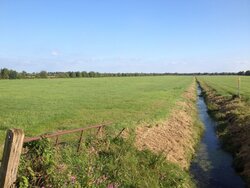
Droughts are becoming more frequent, groundwater levels are falling, and water demand in agriculture, industry and private households is rising. The trend over the past 20 years shows that, as a result of the climate crisis, water is becoming increasingly scarce globally, but also in Germany. This poses major challenges for agriculture and fisheries – a balanced water balance is essential for a reliable supply of healthy food. Water quality is also declining along with the water table: a low groundwater level reduces the quality of drinking water. Too many nutrient inputs pollute coastal seas such as the Baltic Sea – with direct consequences for fish stocks. In our focus topic, we bring together research results and expertise from the Thünen Institute on the subject of water.
Our scientists are conducting research into the following questions, among others:
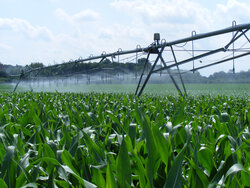
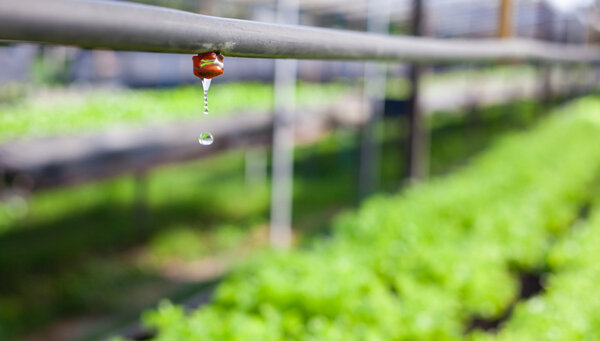
How is water demand developing in agriculture and, in particular, in horticulture? What options are available for making better use of rainwater and irrigating fields more efficiently, for example? The results of our research serve not least as a decision-making aid for policymakers, for example in the development of funding instruments.
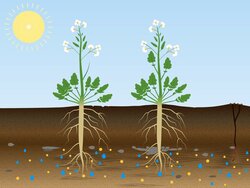
In forests, too, prolonged drought does not only cause trees to die. Most groundwater is formed there. In the long term, drought therefore also leads to a shortage of clean drinking water. What must the forests of the future look like in order to counteract this shortage?
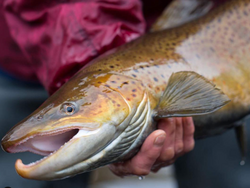
In coastal seas such as the Baltic Sea, water quality suffers from excessive nutrient inputs. Oxygen levels are falling, which is exacerbated by rising water temperatures. The ecosystem is faltering and fish stocks are collapsing. Can aquaculture compensate for the quantities of wild fish that are no longer usable as a result? Can extensive aquaculture fulfil other functions, such as retaining water in the landscape while increasing biodiversity? What potential do algae and mussel farms have for improving water quality?
Without water, there is no life on Earth. At the Thünen Institute, we are researching how we can use water efficiently and protect it at the same time in the future.