2025 – an exceptional year for North Sea Brown Shrimp

The brown shrimp fishery in the North Sea has had an exceptionally successful season this autumn - as reflected in data from the Institute of Sea Fisheries.

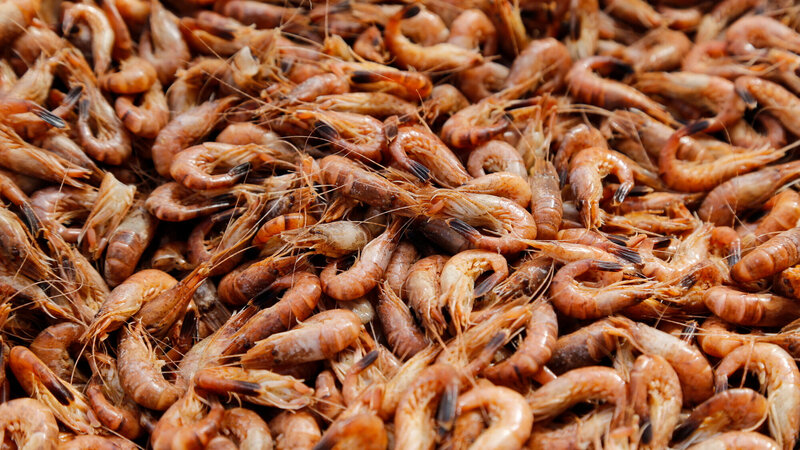
Viele kleine rot bis orange farbige Garnelen liegen auf einem Haufen.
© Thünen-Institut/Beate Büttner

Gekochte Nordseegarnelen


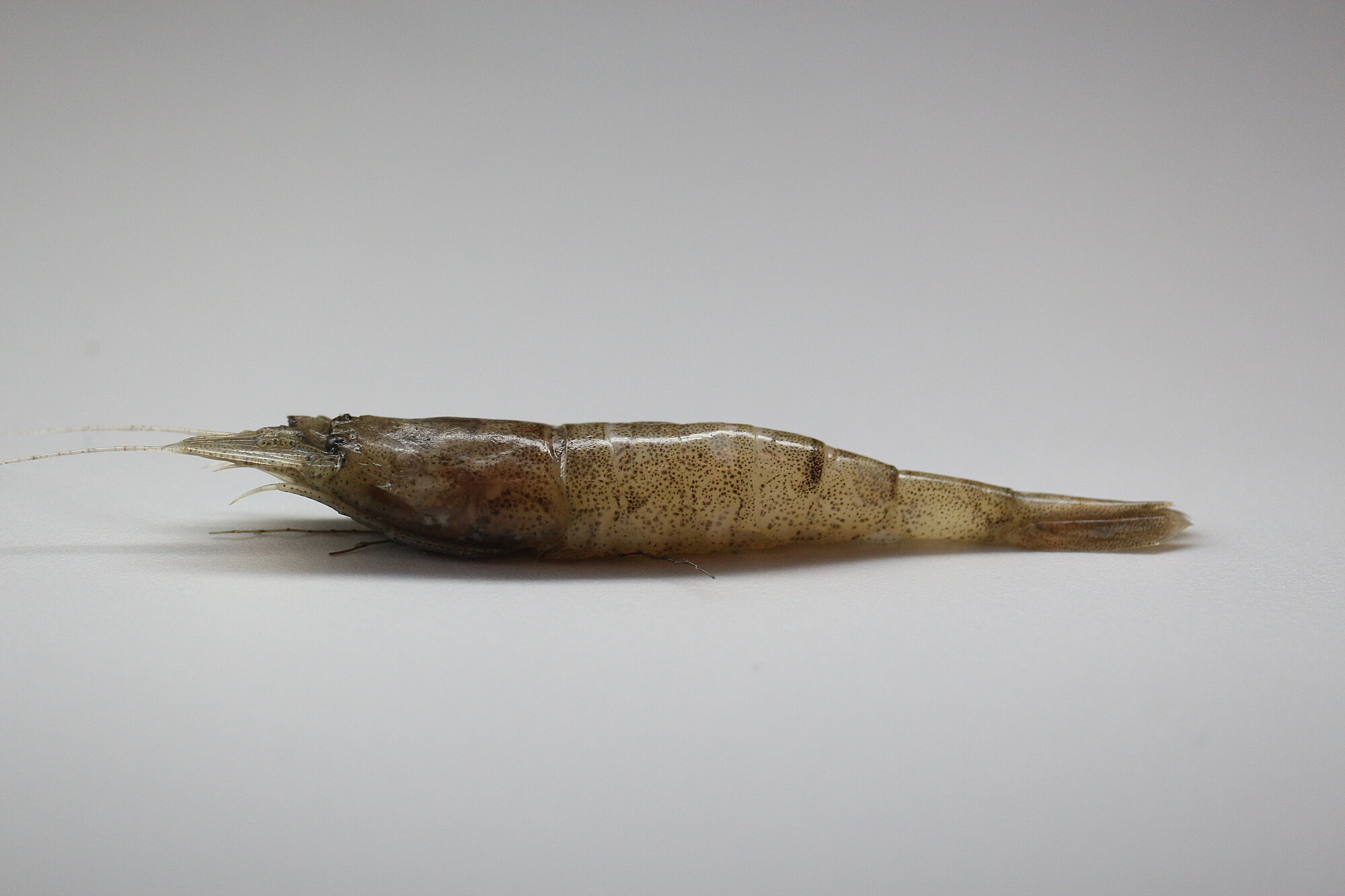
Catches are more abundant than they have been for years, and there is a lot of fishing activity along the entire North Sea coast. Favorable environmental conditions appear to have supported a substantial increase in the fishable stock within just a few months. Initial findings from the annual Demersal Young Fish Survey (DYFS)support this observation, showing the highest catch rates for North Sea shrimp (Crangon crangon) since 2010 (see Figure 1).


Time series showing the development of average catch rates for the North Sea brown shrimp:

The North Sea brown shrimp - a specialist in adaptation: life cycle and stock dynamics

The North Sea brown shrimp has an annual life cycle, characterized by rapid growth and nearly year-round reproduction. Shrimp caught in autumn typically hatched in spring, and their development is influenced by environmental conditions, food availability, and predation pressure. Due to this short development phase, which is decisive for the success or failure of a year class, population development until the main fishing season in autumn of the same year is very dynamic and difficult for researchers to predict.

In the dynamic ecosystem of the Wadden Sea, brown shrimp are exposed to numerous daily fluctuations in environmental conditions. Tides, ocean currents, and varying water temperatures, as well as changing levels of salinity, oxygen, and nutrients, directly affect its life cycle and influence its growth through the availability of food. At the same time, brown shrimp play a central role in the food web. As larvae, they serve as prey for fish, jellyfish and squid, and later become an important food source for many fish species and seabirds. The number and type of predators, as well as the timing of their occurrence, can vary significantly from year to year and even within a few weeks. These highly complex and unpredictable factors decisively determine how quickly and successfully the shrimp population can build up within its short development period.

Especially in view of the past years, the current catch figures clearly demonstrate how well the North Sea shrimp is adapted to its dynamic ecosystem and how quickly it can respond to favorable environmental conditions.

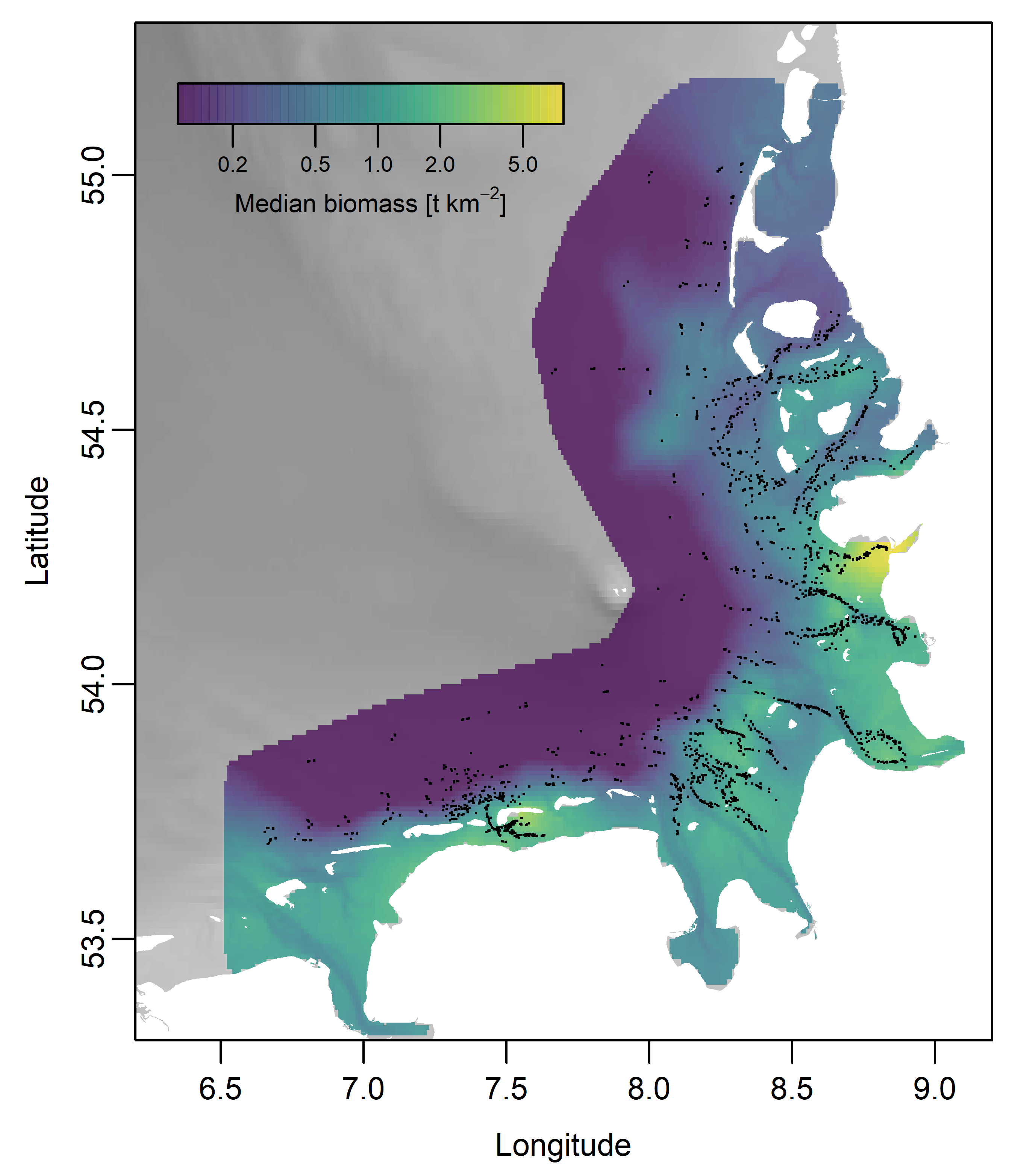
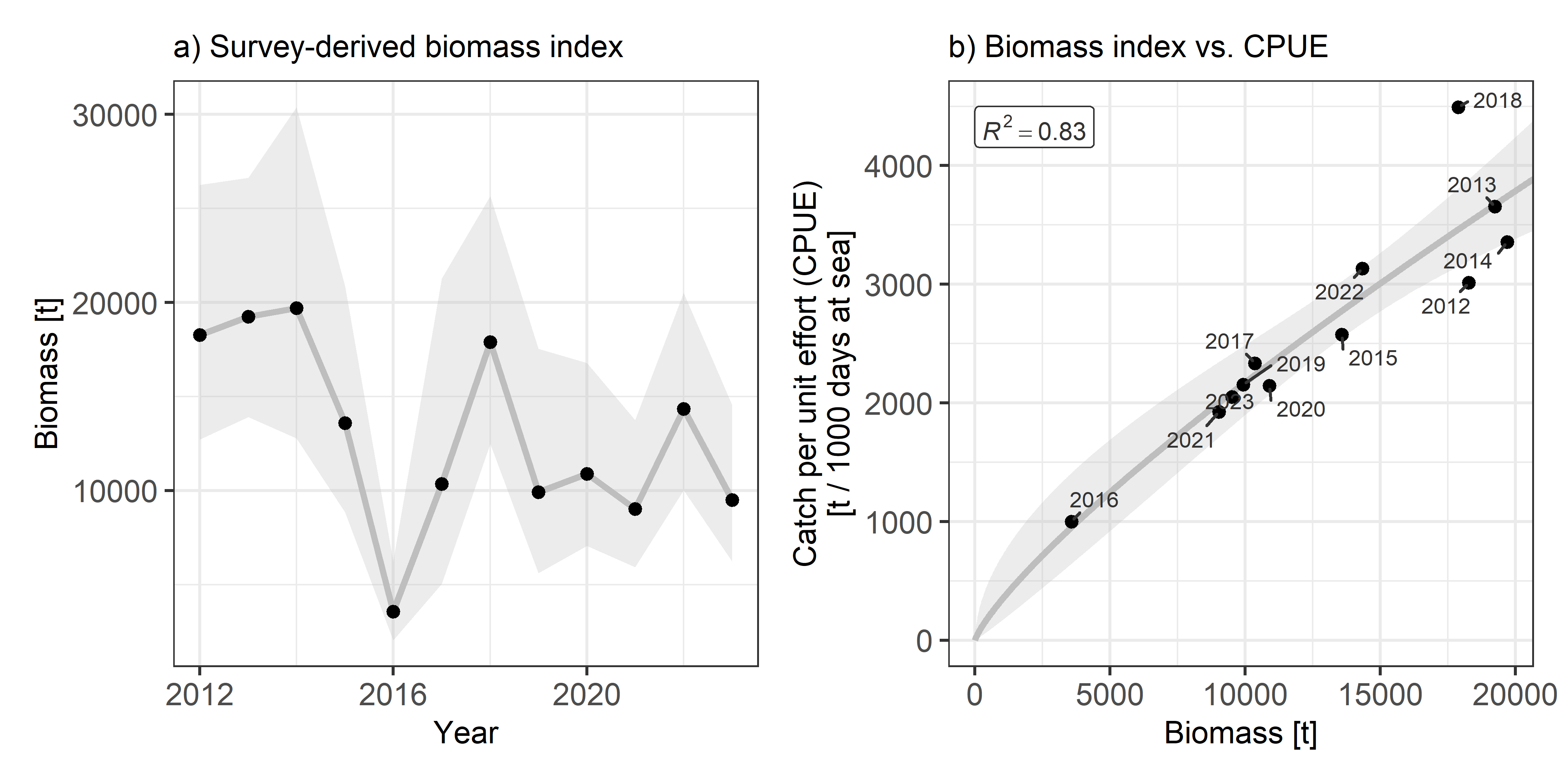
A recent study confirmed the dynamic nature of North Sea shrimp stocks in the Wadden Sea (Taylor et al., 2025). Using a newly developed population index based on species distribution models and data from the DYFS, the study estimated and compared the biomass of North Sea shrimp in the German Bight with catch data from commercial fisheries. The results revealed the significant influence of year class size, habitat conditions (e.g. depth) and fishing pressure on the stock, as well as the shrimp’s remarkable flexibility in responding to changing conditions (Figure 2 + Figure 3)

The factors contributing to the exceptionally high biomass of North Sea shrimp during this year’s main autumn fishing season are currently under investigation. The analysis focuses on seasonal patterns of abiotic environmental conditions and the presence of predators throughout the year. 

Contact

Institute of Sea Fisheries
Scroll to top