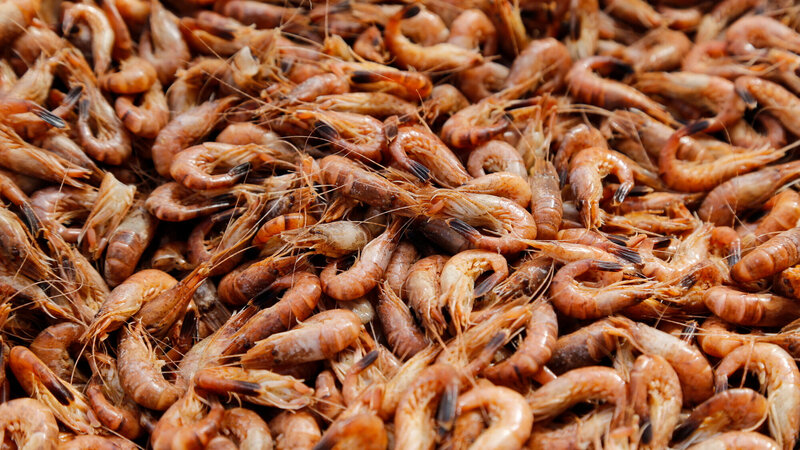
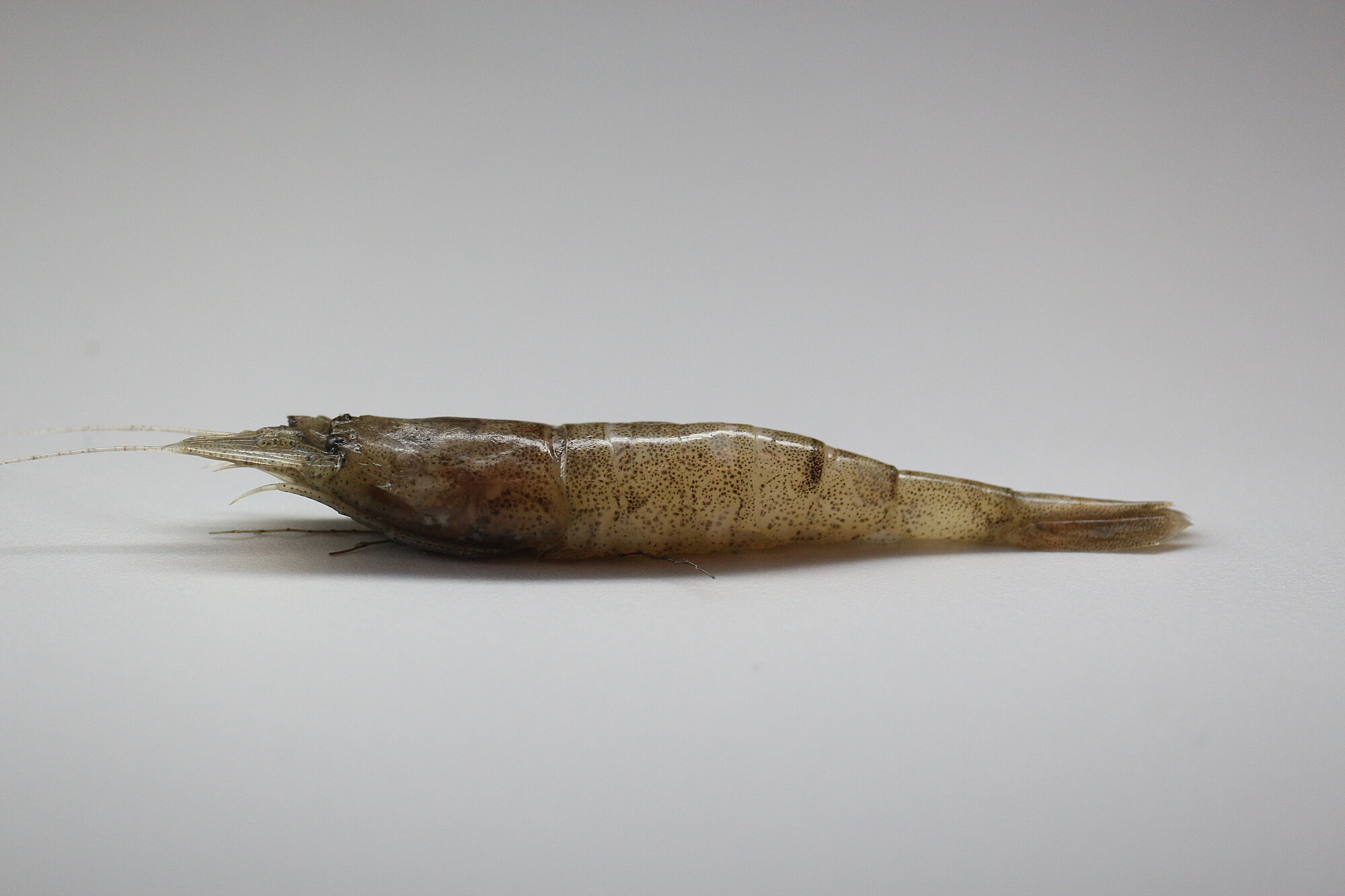
The North Sea brown shrimp has an annual life cycle, characterized by rapid growth and nearly year-round reproduction. Shrimp caught in autumn typically hatched in spring, and their development is influenced by environmental conditions, food availability, and predation pressure. Due to this short development phase, which is decisive for the success or failure of a year class, population development until the main fishing season in autumn of the same year is very dynamic and difficult for researchers to predict.
In the dynamic ecosystem of the Wadden Sea, brown shrimp are exposed to numerous daily fluctuations in environmental conditions. Tides, ocean currents, and varying water temperatures, as well as changing levels of salinity, oxygen, and nutrients, directly affect its life cycle and influence its growth through the availability of food. At the same time, brown shrimp play a central role in the food web. As larvae, they serve as prey for fish, jellyfish and squid, and later become an important food source for many fish species and seabirds. The number and type of predators, as well as the timing of their occurrence, can vary significantly from year to year and even within a few weeks. These highly complex and unpredictable factors decisively determine how quickly and successfully the shrimp population can build up within its short development period.
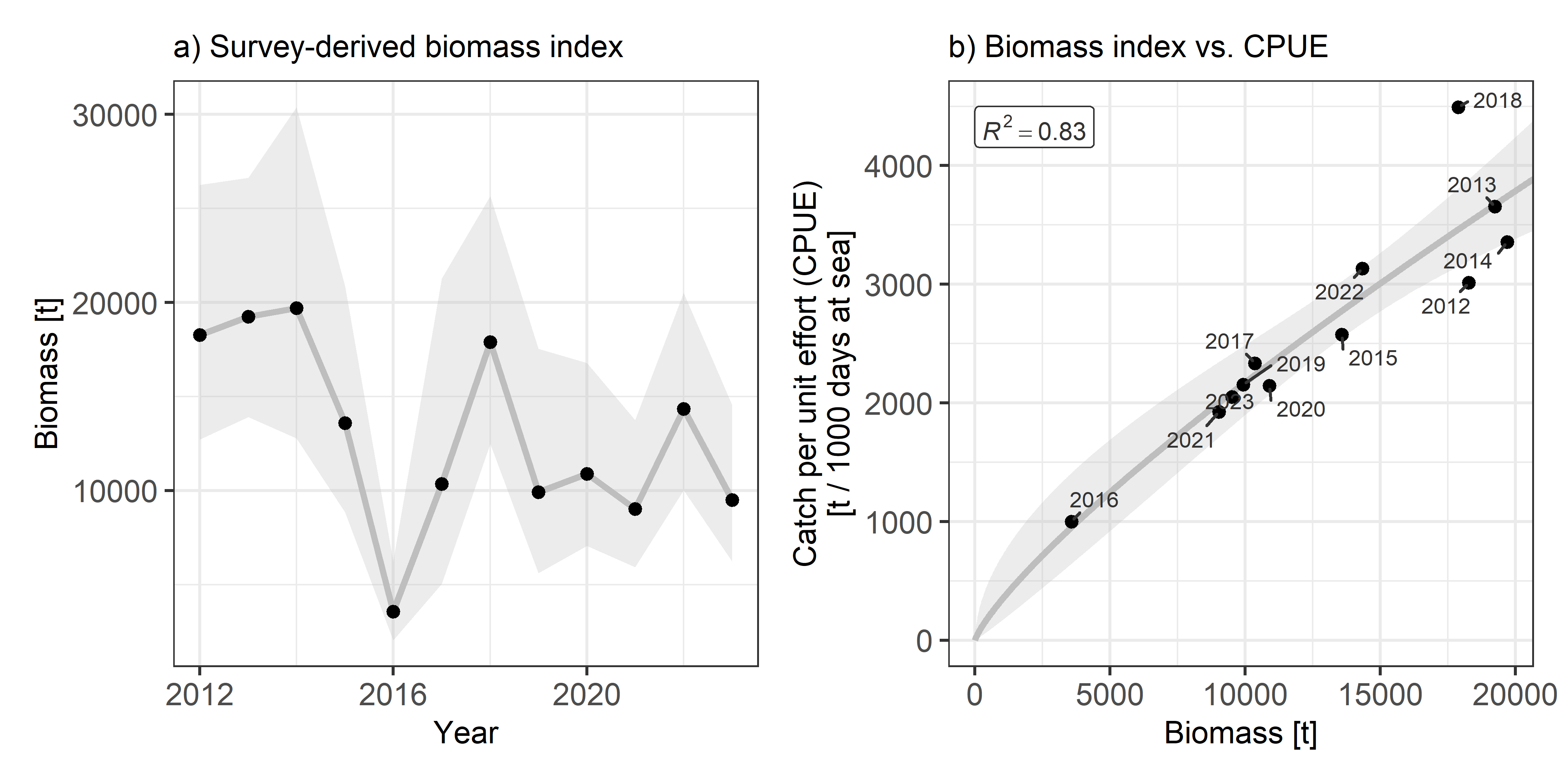
Especially in view of the past years, the current catch figures clearly demonstrate how well the North Sea shrimp is adapted to its dynamic ecosystem and how quickly it can respond to favorable environmental conditions.

![[Translate to English:]](/media/_processed_/7/1/csm_IMG_7977_large_1defaf5de1.jpg "[Translate to English:]")