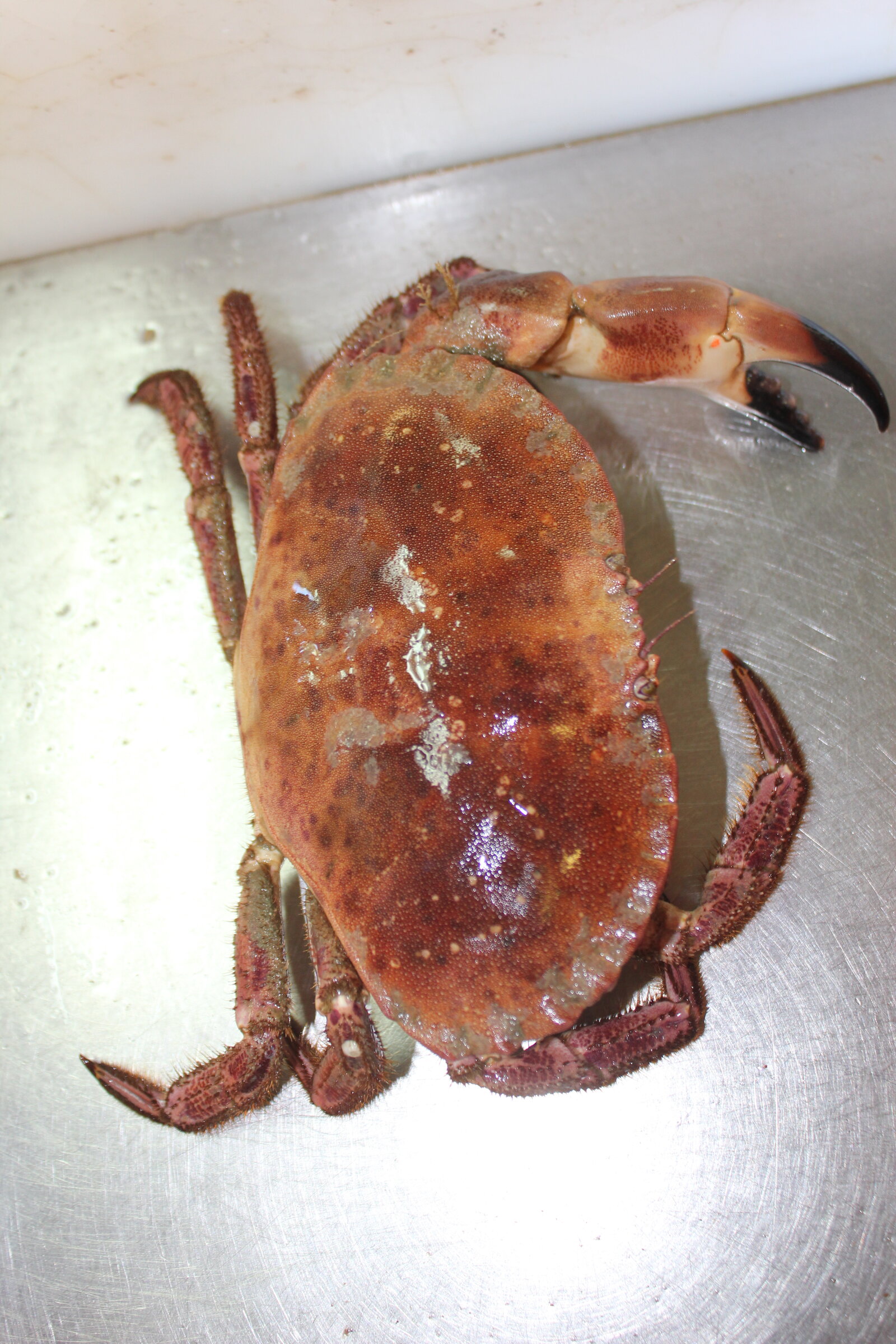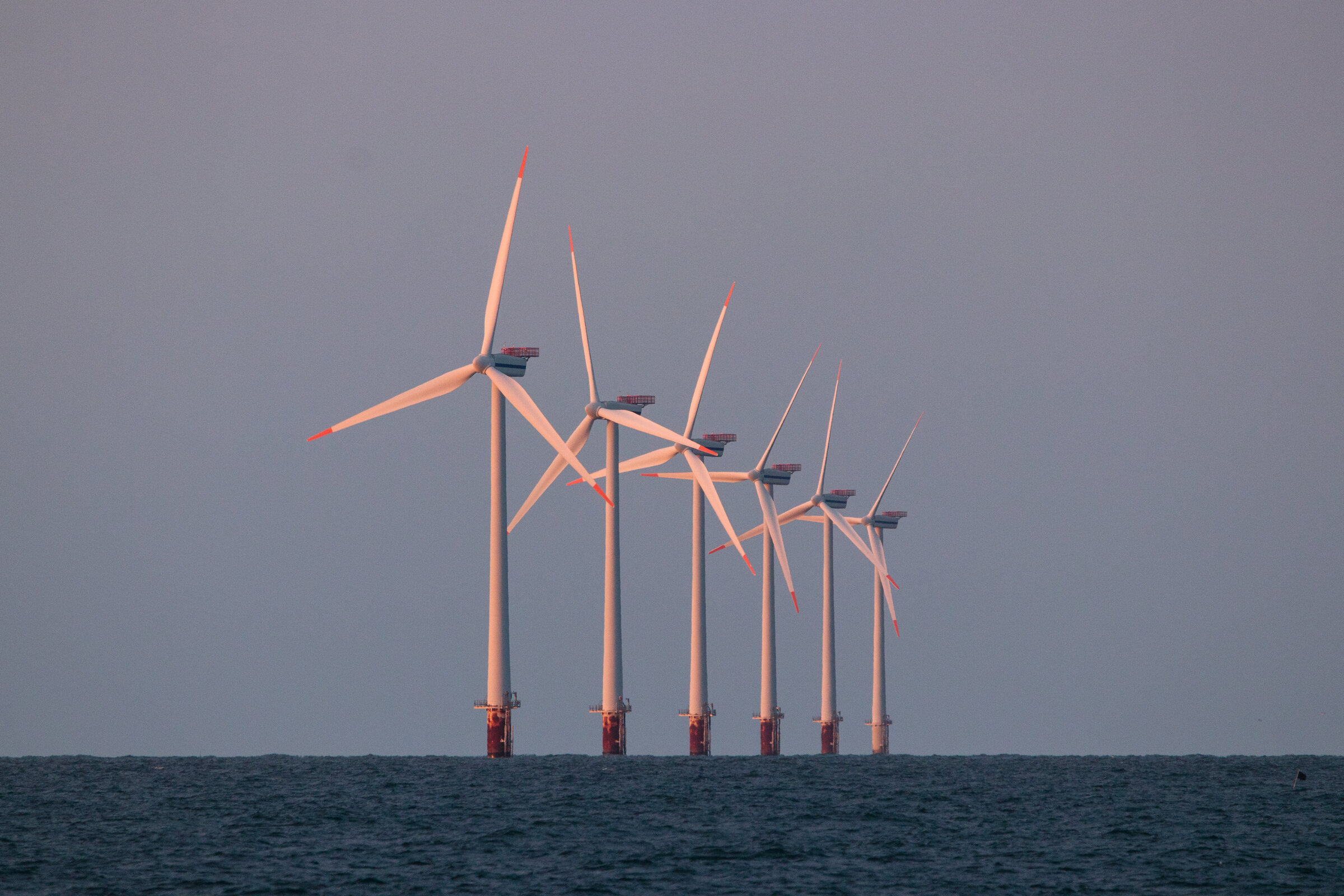
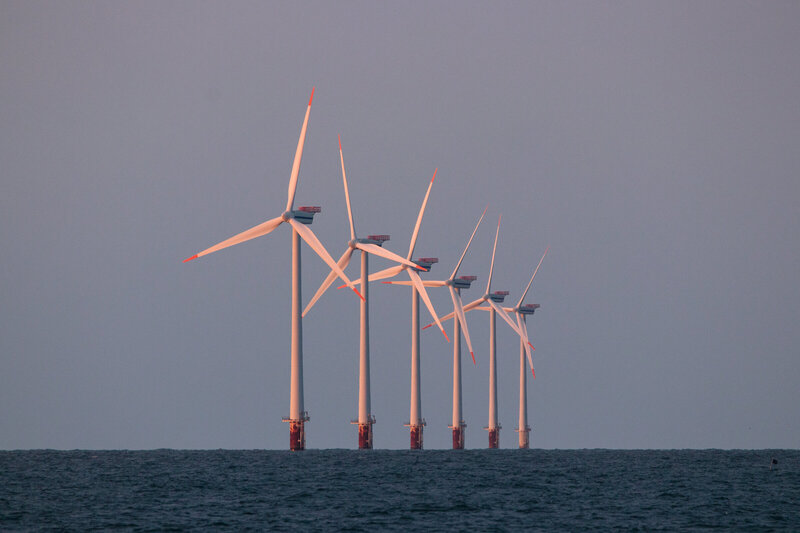
Bremerhaven (20 April 2026). The declining loss of fishing opportunities in the North Sea is posing challenges for the German coastal fishing industry. Offshore wind farms and new marine reserves are being established also in areas overlapping with traditional fishing grounds. At the same time, new habitats such artificial reefs are emerging at the base of the wind turbines: crustaceans such as brown crabs and lobsters are settling in the stabilising stone fills. Researchers at the Thünen Institute of Sea Fisheries are now investigating whether this could benefit coastal fisheries in the future. “At some locations, wind farms could make a positive contribution to passive fishing using pots, offering a sustainable and economically viable alternative for the coastal fishing industry,” says project leader Vanessa Stelzenmüller.
The new research project aims to gain a better understanding of the populations and habitats of brown crabs and lobsters and to identify the main fishing grounds in the southern North Sea. To this end, the researchers are working closely with local fishermen and -women. In addition to standardised data collection at sea and the analysis of long-term observations, satellite data are also being used to analyse patterns of international fishing activities.
At the same time, the research team is exploring whether, and under what conditions, a passive gear fisheries could be a viable option for businesses. “We are investigating the costs, revenues and working hours that businesses can expect, and where their products can be sold in the processing, retail, catering and tourism sectors – and for what price,” says Thünen researcher Stelzenmüller. Particular attention is being paid to regional value creation and incentives for greater sustainability.
The project is funded by the federal State of Lower Saxony, which is providing around €594,500 from the European Maritime, Fisheries and Aquaculture Fund, as well as around €254,800 in state funding.
The findings will be presented to stakeholders at a workshop in early summer 2028 and published in a report at the end of the project.