![[Translate to English:]](/media/_processed_/2/9/csm_Embryo-Exp_Gelege_9F_dpf5-200513111619_c8534a8199.jpg "[Translate to English:]")
![[Translate to English:]](/media/_processed_/2/9/csm_Embryo-Exp_Gelege_9F_dpf5-200513111619_9027994d44.jpg "[Translate to English:]")
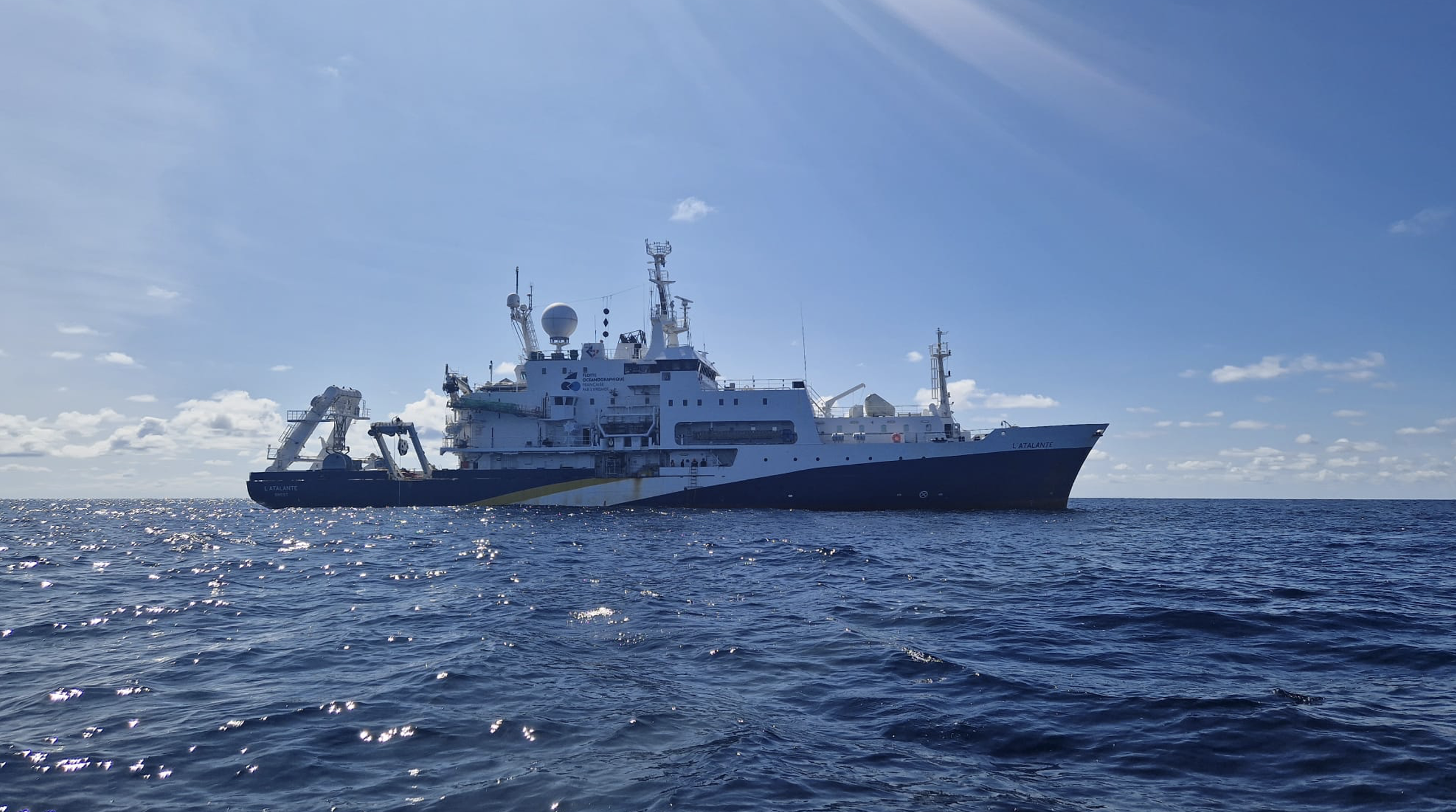
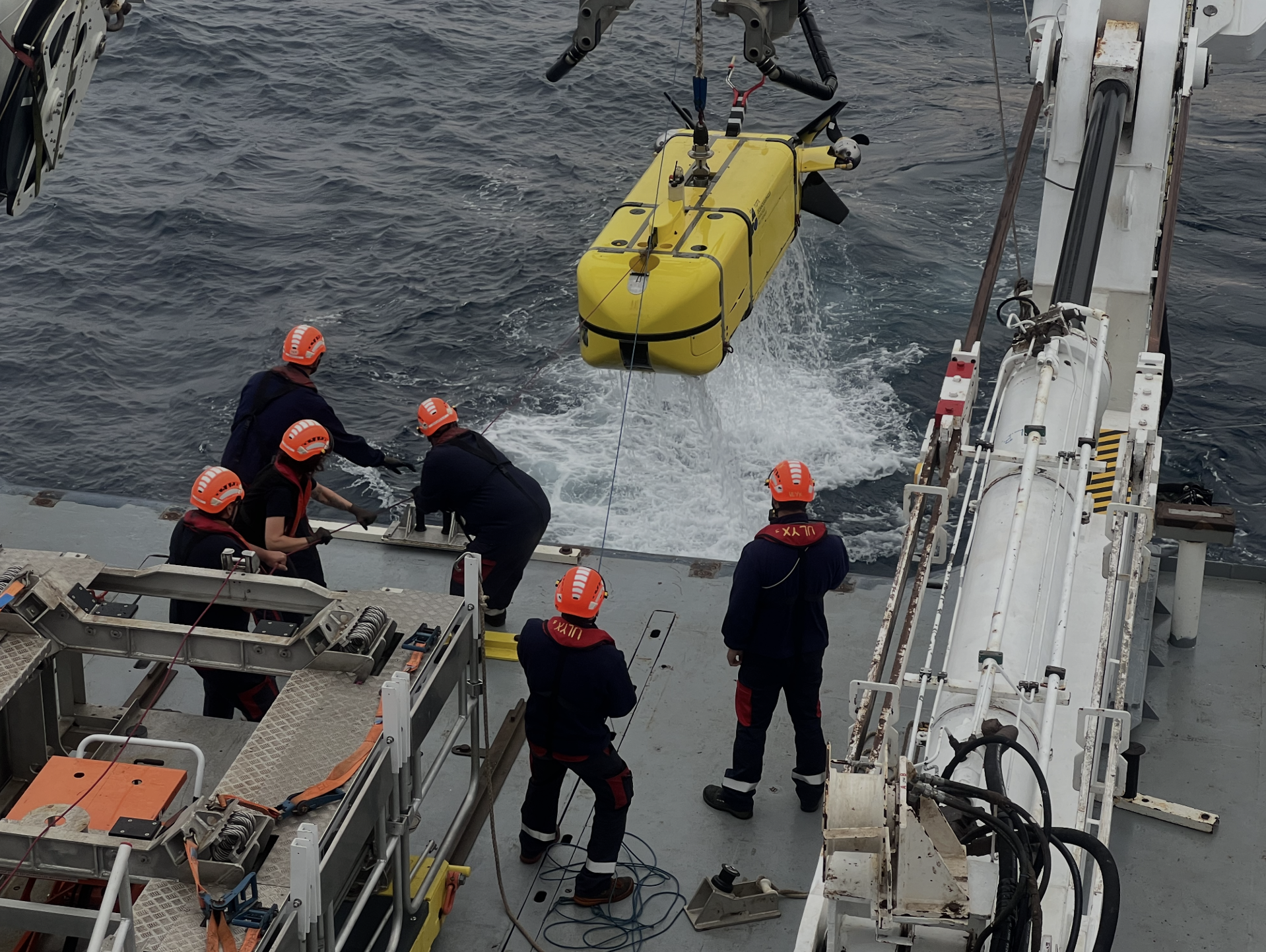
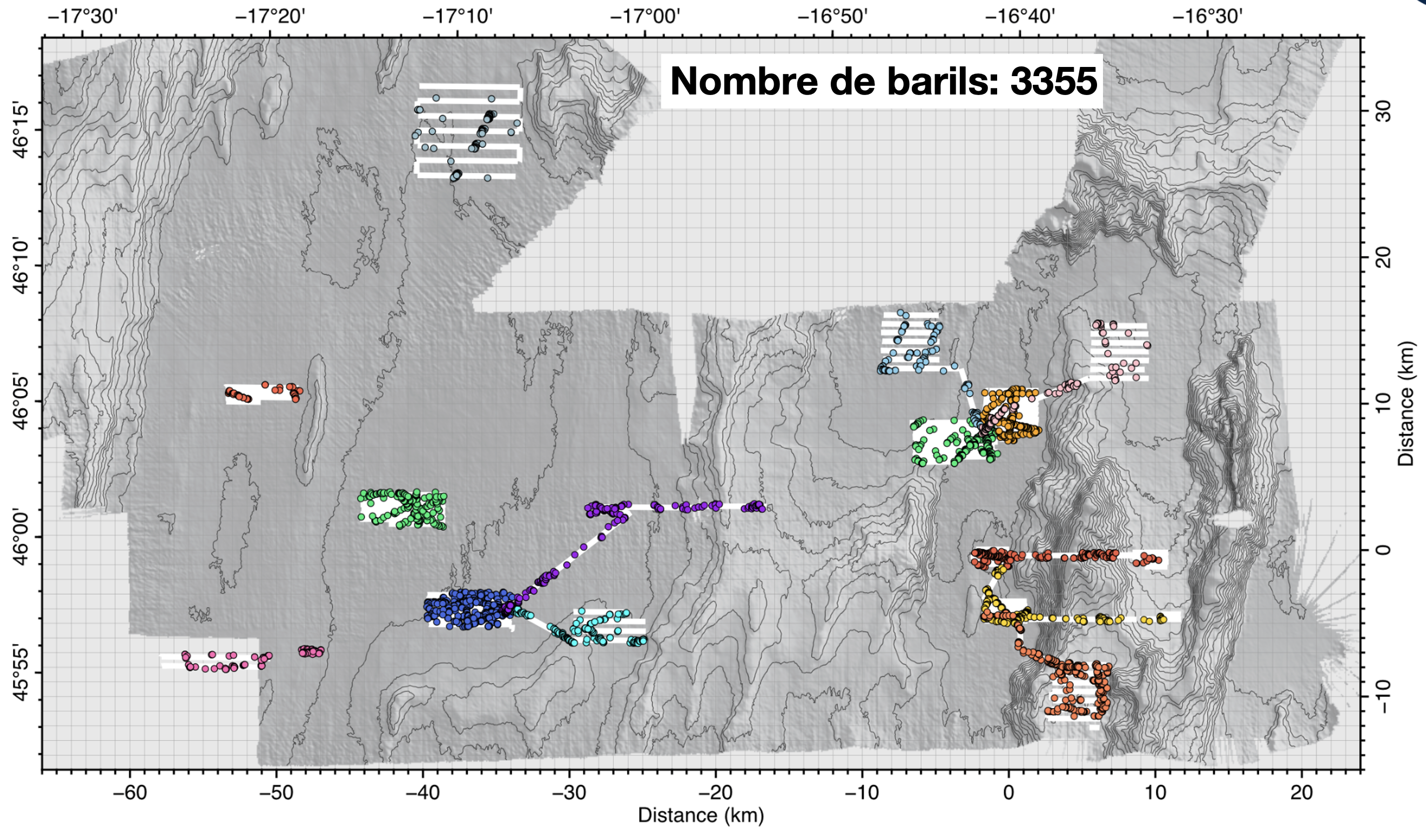
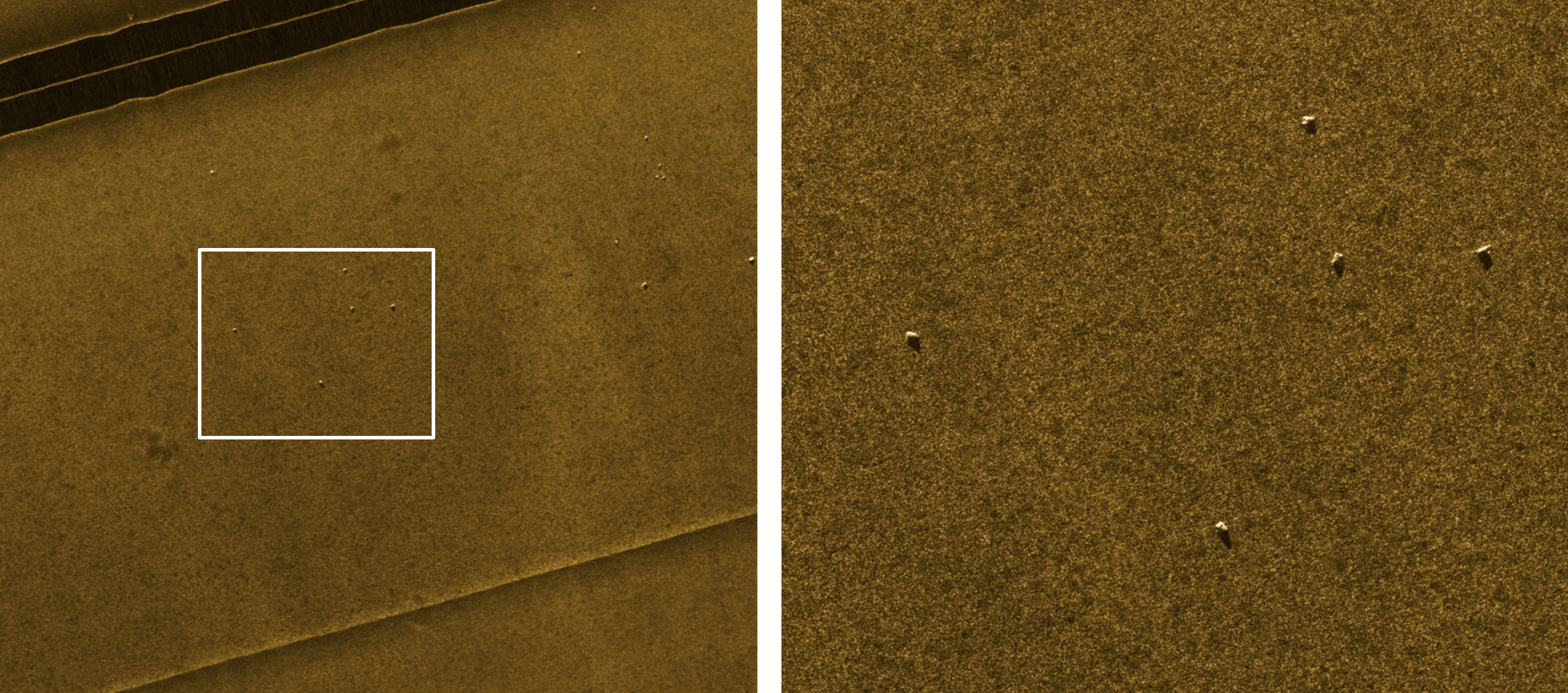
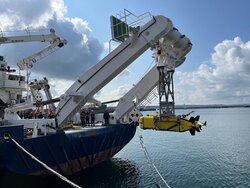
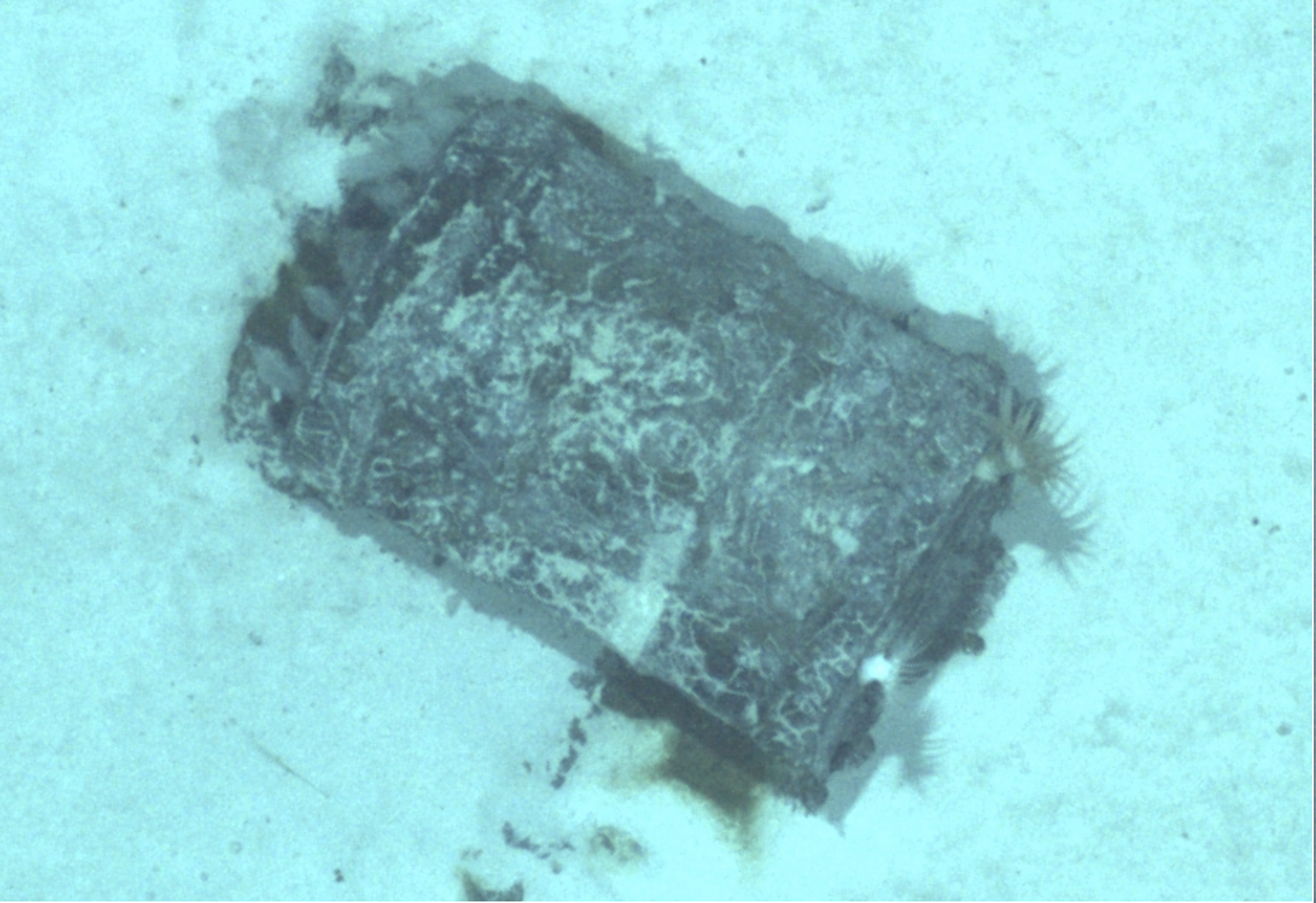
Between 1967 and 1983, more than 200,000 drums filled with low-level radioactive waste were dumped in the deep sea of the North-East Atlantic by the Nuclear Energy Agency. An international team of scientists, including Pedro Nogueira from the Thünen Institute of Fisheries Ecology, has now spent four weeks searching for the old barrels in the main dumping area. The aim was to map them and investigate their interactions with water and living organisms. With the help of the autonomous underwater robot UlyX2, the researchers from France, Canada, Norway and Germany found 3,355 barrels. You can find a detailed report on the activities on board in our sea blog.
In the coming months, the numerous seawater, sediment and fish samples will be examined for various residues at the Thünen Institute of Fisheries Ecology. In addition to radioactive traces, the research team led by Pedro Nogueira and Marc-Oliver Aust is also looking for PFAS residues.
The first mission of the so-called NODSSUM campaign was sponsored by the French research center CNRS. Project partners include the French marine research institute IFREMER and the research institute IRD, the American Society of Neuroradiology (ASNR), the University of Bergen (Norway), Memorial University (Canada) and the Thünen Institute of Fisheries Ecology in Bremerhaven. A second mission is planned for next year to investigate the immediate surroundings of the barrels.