[Translate to English:]
[Translate to English:]
Institute of

FI Fisheries Ecology

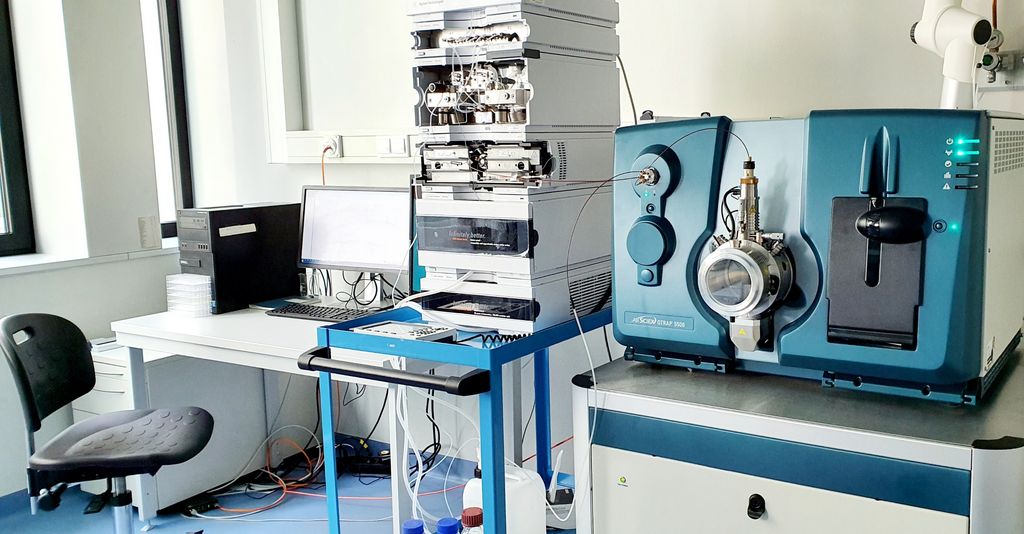
Chemical Trace Analysis

As a result of natural events and to most part anthropogenic activities, pollutants and xenobiotics are being released into the marine environment. Among these contaminants, besides a number of metals, there is a numbers of mainly man-made organic compounds that we are particularly interested in. As waste- or byproducts of manufacturing-, application- or disposal- processes, these compounds find their way into the environment and therefore - also into the sea. 

Projekte
Foto mit deutscher Flagge an Bord eines Schiffes
PFAS-Pattern

Contamination of fish by perfluorinated chemicals in rivers and sea

More
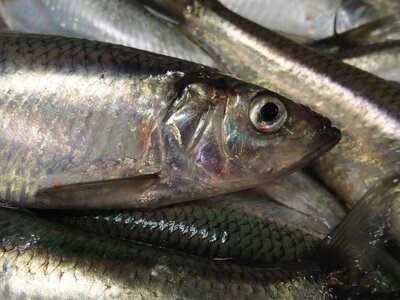
mehrere Heringe, frisch gefangen
Monitoring of hazardous substances in marine biota

Why are marine organisms like fish and shellfish so suitable to detect hazardous substances in the marine environment?

More
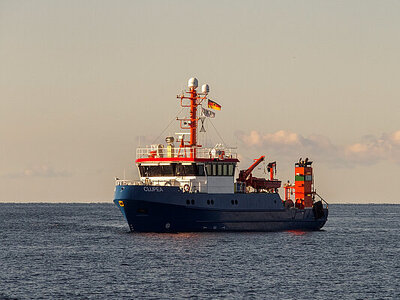
Foto von Forschungsschiff auf See
CONMAR FISH - Marine dumped munition and fish

Marine dumped munition is a global problem. In German waters of the North and Baltic Sea about 1.6 mio t of munition were dumped after World war two. The munitions shells are corroding and environmentally toxic substances are released to the ...

More
Projektlogo mit Kalmar
CephCo - squid as food

The "CephCo" project investigates how newly established squid stocks in the North Sea integrate into the food web and the extent of their contamination with pollutants.

More

More Information

3,355 - that is the number of barrels of nuclear waste found and mapped by an international research team during a four-week expedition to the Iberian deep sea. Today, Friday morning, July 11, the research vessel L'Atalante arrived back in Brest, France.

 A barrel lies on a sandy seabed and is overgrown with marine life.

Elin Wefer at the 5th Seminar Days of the Thünen Institute of Fisheries Ecology

[Translate to English:]

New federal fisheries research vessel to be built in Lithuania

Here we go: Construction of the new research vessel WALTHER HERWIG has started at the Lithuanian shipyard in Klaipeda. The keel laying marks the start of the practical construction phase of the replacement project for one of the world's most modern and efficient vessels for German fisheries and…

Eine Visualisierung des neuen Forschungsschiffs


The Baltic Sea is the world leader in radioactive Cs-137 contamination in fish.

Schiffsbug auf dem Meer

Contact person

Institute of Fisheries Ecology
Scroll to top