![[Translate to English:]](/media/_processed_/d/7/csm_Startseite-OF_03_c0dfd6e750.png "[Translate to English:]")
![[Translate to English:]](/media/_processed_/a/3/csm_20181116-151457-Stella-Jerome-Fischfalle-Warnem%C3%BCnde-Dorsche-im-Netzk%C3%A4fig-5691_heller_3050c72fa2.png "[Translate to English:]")
Project
Bycatch Reduction in North Atlantic, Baltic and Mediterranean
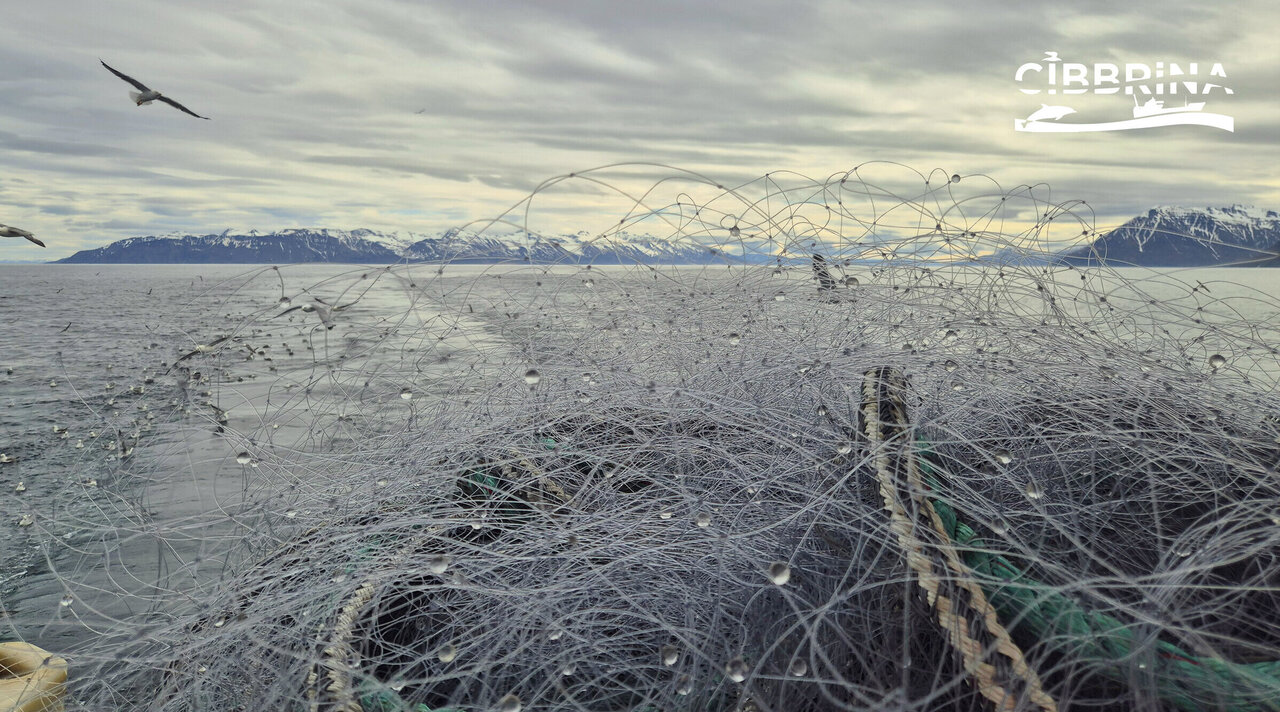
Coordinated Development and Implementation of Best Practice in Bycatch Reduction in the North Atlantic, Baltic and Mediterranean Regions
The project aims to minimize the bycatch of Endangered, Threatened, and Protected (ETP) species in these regions. To achieve this, it promotes cross-border and cross-sectoral collaboration among stakeholders—including fishers, authorities, and scientists—from 13 European countries. Together, they work to establish mitigation, monitoring, and assessment programs in selected fisheries identified as having a bycatch risk.
Background and Objective
Target Group
fisheries, nature conservation, research
Approach
The work focuses on various fisheries through eight case studies. This ensures that a set of measures is developed that is both feasible for fishers and effective in minimizing – and, where possible, eliminating – bycatch.
These case studies cover a wide range of small-scale and large-scale fishing operations using different types of gear, including gillnets, longlines, pelagic trawls, and bottom trawls. Through collaborative research with these fisheries, CIBBRiNA will generate new knowledge applicable across Europe.
Data and Methods
The Thünen Institute of Baltic Sea Fisheries plays a key role in bycatch estimation in gillnet fisheries and in the development of appropriate bycatch reduction measures, such as the PearlNet. The necessary data are collected in collaboration with the commercial fishing industry and subsequently analyzed. Due to the international nature of the project, both data collection and analysis are carried out in close consultation and cooperation with the other involved research institutions.
Links and Downloads
Thünen-Contact

Involved Thünen-Partners
Involved external Thünen-Partners
- Danish Technical University (DTU)
(Kopenhagen, Hirtshals, Charlottenlund, Dänemark) - Swedish University of Agricultural Science - SLU
(Uppsala, Lysekil, Schweden) - Marine Research Institute (MRI)
(Reykjavík, Island) - University of St Andrews
(St. Andrews, Großbritannien (inkl. Nordirland)) - Institute of Marine Research (IMR) / Havforskningsinstituttet (HI)
(Bergen, Tromsø, Norwegen)
Funding Body
-
European Union (EU)
(international, öffentlich)
Duration
9.2023 - 8.2029
More Information
Project funding number: LIFE22-NAT-NL-LIFE-CIBBRiNA/101114301
Project status:
ongoing