Interview
„More hares doesn’t mean that everything is fine now“
Kathrin Rieck with Grit Greiser and Jan Volkmann | 30.03.2026
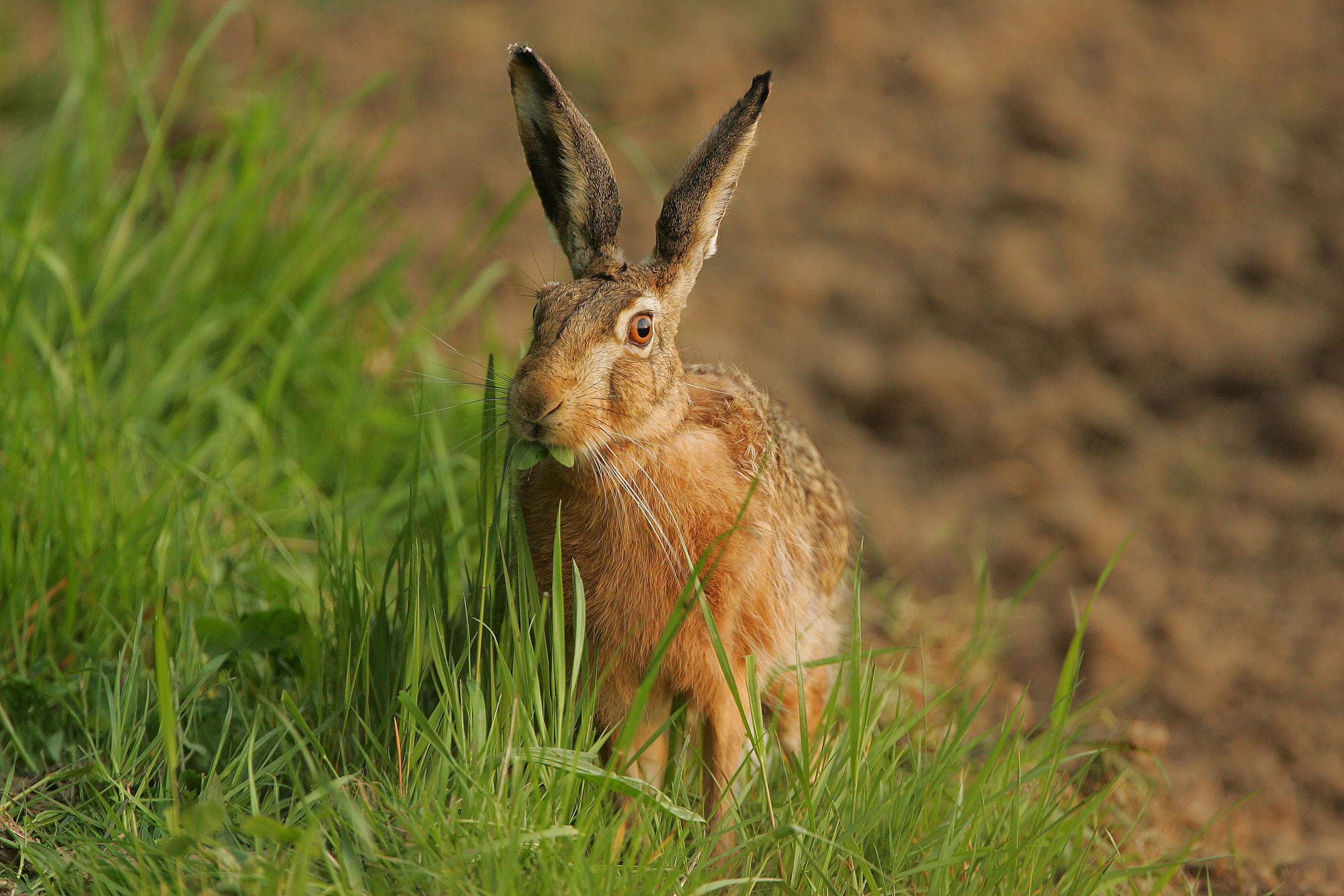
In Deutschland gibt es wieder so viele Feldhasen wie seit 20 Jahren nicht mehr. Die Bestände haben sich 2025 auf hohem Niveau stabilisiert. Am WILD-Zentrum des Thünen-Instituts für Waldökosysteme schult Wildtierökologin Grit Greiser Jägerinnen und Jäger für die jährliche Hasen-Zählung und wertet die Zahlen aus. Im Interview ordnen die Wildtierökologin und Jan Volkmann, Jäger aus Brandenburg, die Ergebnisse ein.
They have been counting brown hares since 2002. According to the latest WILD data, there are now more hares than there were when the counts began. What is the reason for this?
Grit Greiser (GG): In 2020, 2022 and 2023, we had particularly mild winters, warm springs and summers. As a result, fewer hares died during the winter. Furthermore, more young hares survived the spring. They are vulnerable to wet and cold weather. They often do not survive their first few weeks of life. When the weather warms up, hares can produce up to five litters a year.
So, can we say that warmer, dry weather is good for the hare?
GG: It is precisely these conditions that have led to an increase in the hare population in Germany. In that sense, brown hares seem to be benefiting from climate change.
Could you describe the hare monitoring programme to us?
GG: Hare counts have been carried out in individual federal states for some time. However, it is only since 2002 that regular, standardised hare counts have been conducted nationwide as part of the WILD project. Since then, every spring and autumn, hunters have been counting the hares in their hunting grounds on a voluntary basis, twice per season. In total, this covers 400 reference areas in open agricultural landscapes. Comprehensive surveys are also carried out every two years. These surveys also record sightings outside the reference areas, for example near towns or in forests.
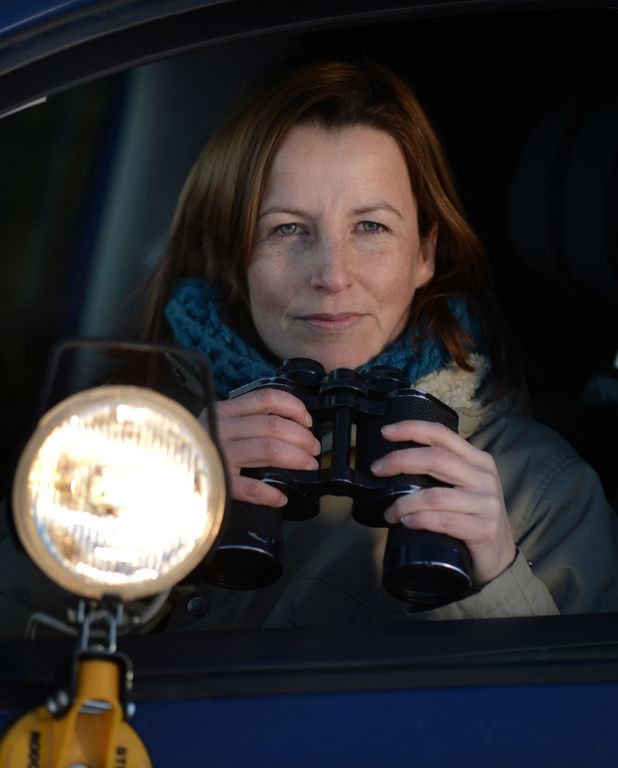
Jan Volkmann (JV): In practice, this is how it works: when it gets dark, we follow a pre-determined route. As we drive, we use the vehicle’s headlights to illuminate meadows and fields. All hares that appear in the light are counted. The hare population per square kilometre is calculated from the total number of hares counted and the area illuminated. To ensure the counts are conducted as standardised as possible, we receive instruction from the relevant regional coordinators of the federal state and set up the routes together.
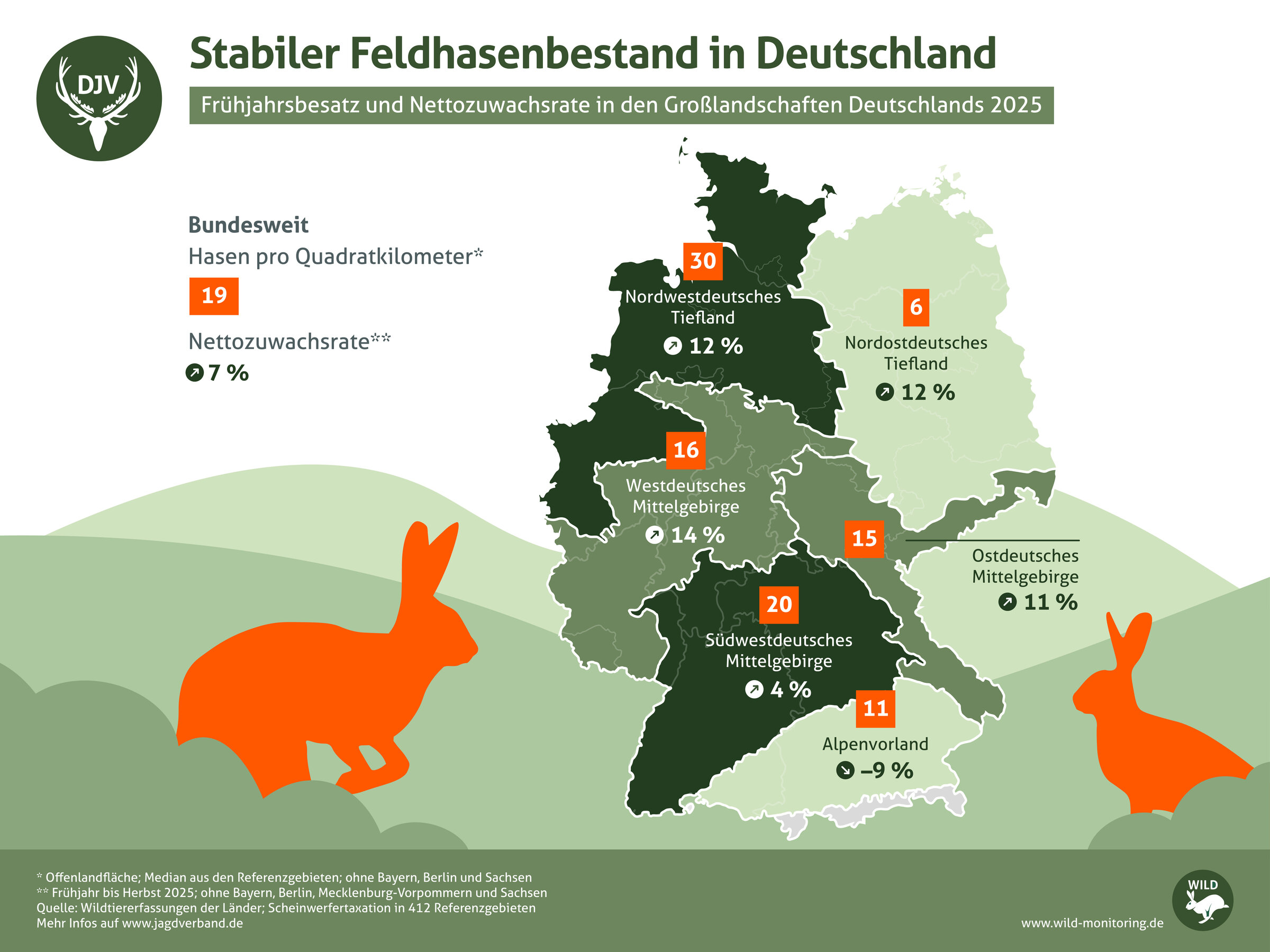
When you look at the map, the regional differences are striking. Can you explain them?
GG: Large parts of the north-west – namely Westphalia and the Lower Rhine region – and the Rhine-Main Plain in the south-west are favourable in terms of climate and soil conditions. This is why these areas have traditionally been home to Germany’s small game regions with the best populations.
By contrast, the climate and natural environment in the North-East German Lowlands are not quite as favourable, as the landscape is more open and the low mountain ranges have a higher proportion of woodland.
Mr Volkmann, can you confirm this based on your surveys in Brandenburg? In which areas do you see the most hares?
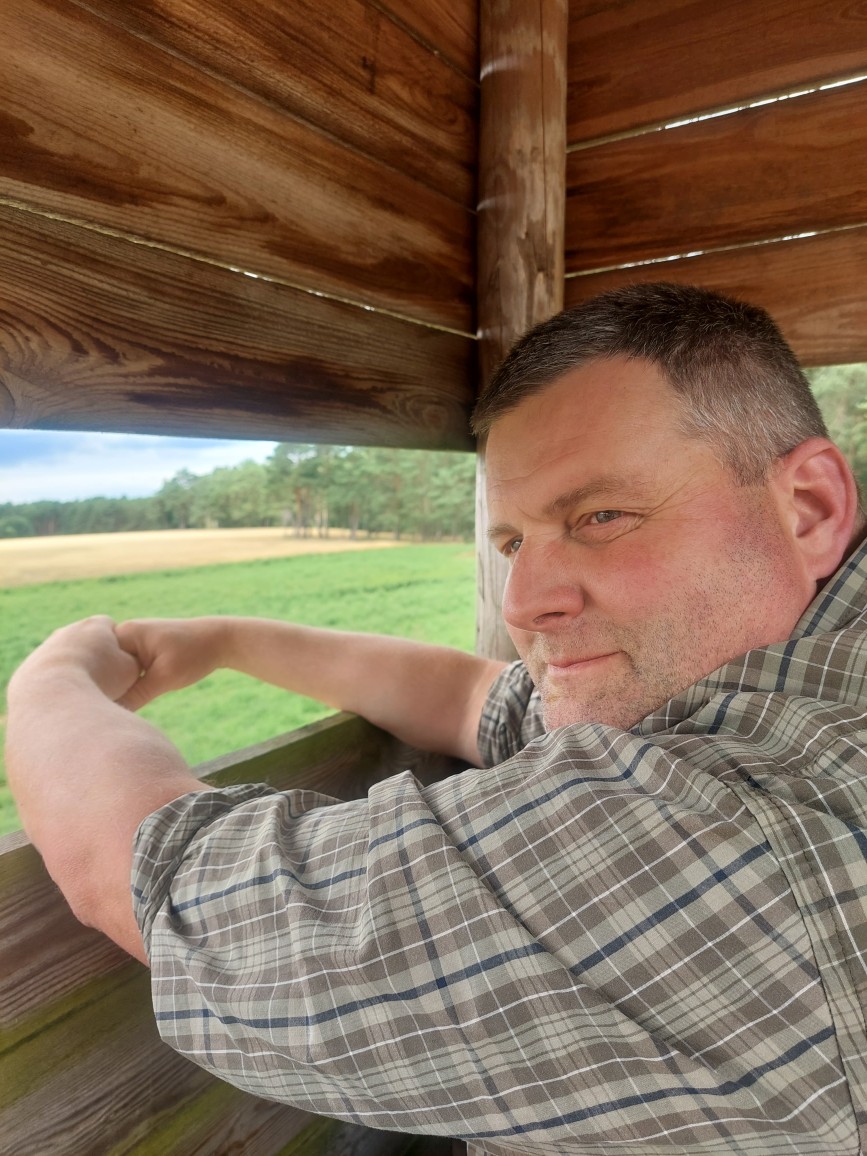
JV: Yes, we can confirm the trend that has emerged over the past five years. In our area, we spotted the most hares on the day of the count on the grassland of an organic farmer who practises extensive farming. However, we also saw some on and around fields with catch crops and on a walnut plantation with abundant herbaceous vegetation.

What does this mean for agricultural ecosystems and for hunting leaseholders if there are more hares again?
GG: If the brown hare is faring better, it is reasonable to assume that other heat-loving species are also becoming more common in open country. As a flagship species, the brown hare is effectively an indicator of the state of the ecosystem around it. However, many factors come into play. Even though warmer temperatures have led to positive developments at the moment, extreme conditions can also have negative consequences for the hare, for example if there is a lack of green fodder following a long dry spell. This is because hares obtain their water from their food. But heavy rainfall events, which are becoming increasingly frequent, are also a risk factor. In the long term, agro-ecosystems must be designed in such a way that open-country species have a sustainable basis for life and are thus better equipped to cope with extreme weather conditions.
JV: The hunting bag plays a rather minor role in our hunting ground. We hardly ever hunt hares. Every two years, a hare is bagged for the Christmas feast. Nevertheless, since taking over the hunting ground, we have been committed to managing the hare population. We have sown hare-friendly wildflower mixtures on small plots of land provided by farmers, and we have filled gaps in the windbreaks with native shrubs and trees. It is wonderful to see that the warmer years and our efforts have stabilised the population.
How can farmers do even more to support hares?
GG: It is important to provide hares and other open-country species with a mosaic of different habitats. Food becomes scarce, particularly in summer, when agricultural crops such as cereals and maize become woody. They then offer little food and, at the same time, become barriers. After the harvest, large areas lie bare. That is why field margins, fallow land and flowering areas are vital as refuges. And they should be as compact as possible, because covering long distances takes a lot of energy and poses additional risks from predators or traffic. Hedges and copses also break up the landscape and, at the same time, offer the fields greater protection against wind and erosion.
JV: I can say from experience that the government’s (wild) flower strip scheme is being implemented effectively by larger farmers. It’s been around for several decades, but it’s only really become popular since 2017. The buzz of life there in the summer is a real delight. What I would like to see is for the (wild) flower strips to remain in place, at least where we are, until late February and only then be mulched, as they provide cover for the hares throughout the winter. The later they are mown, the better it is for the hares.
What policy measures would help?
GG: There are a number of measures, such as providing more incentives for farmers to make their farmland more wildlife-friendly. Overall, organic farming should be given greater support, as it already meets many of the specific objectives for the protection of animals and plants. We need to move away from vast fields of monocultures and promote the cultivation of alternative energy crops, such as wild plant mixtures.
After all, you don’t just count hares, but also other field birds such as partridges and pheasants. Can any parallels with the population trends of the brown hare be identified from the data?
GG: By 2020, we had observed sharp declines in all field species recorded in WILD. Agricultural landscapes lack diversity. Fewer insects also means that field birds lack food for their young. Nevertheless, we have recently observed at least more stable populations of partridges and pheasants. However, more hares does not mean that everything is now fine. The aim is to design agricultural areas in such a way that the structures become more diverse. Then there will also be enough habitat for many different wild animals.
JV: Here in our hunting ground, we can confirm that the brown hare population is growing. However, the number of pheasants – that is, breeding pairs – has not changed, and there are no partridges in our area.
Thank you very much for the interview.
For further information, please visit:
German Wildlife Information System (WILD)
WILD-Monitoring (in German)