![[Translate to English:]](/media/_processed_/0/b/csm_Kleine_Kuestenfischerei_Altwarp4_MV_KBarz_b5bc8b547f.jpeg "Kleine Küstenfischer-Boote im Hafen.")
Small-scale coastal fishing in Mecklenburg-Western Pomerania has been part of Germany’s intangible cultural heritage since the end of March. This recognition honours, above all, the craftsmanship, the passing on of traditional knowledge and the regional distinctiveness of the practice.
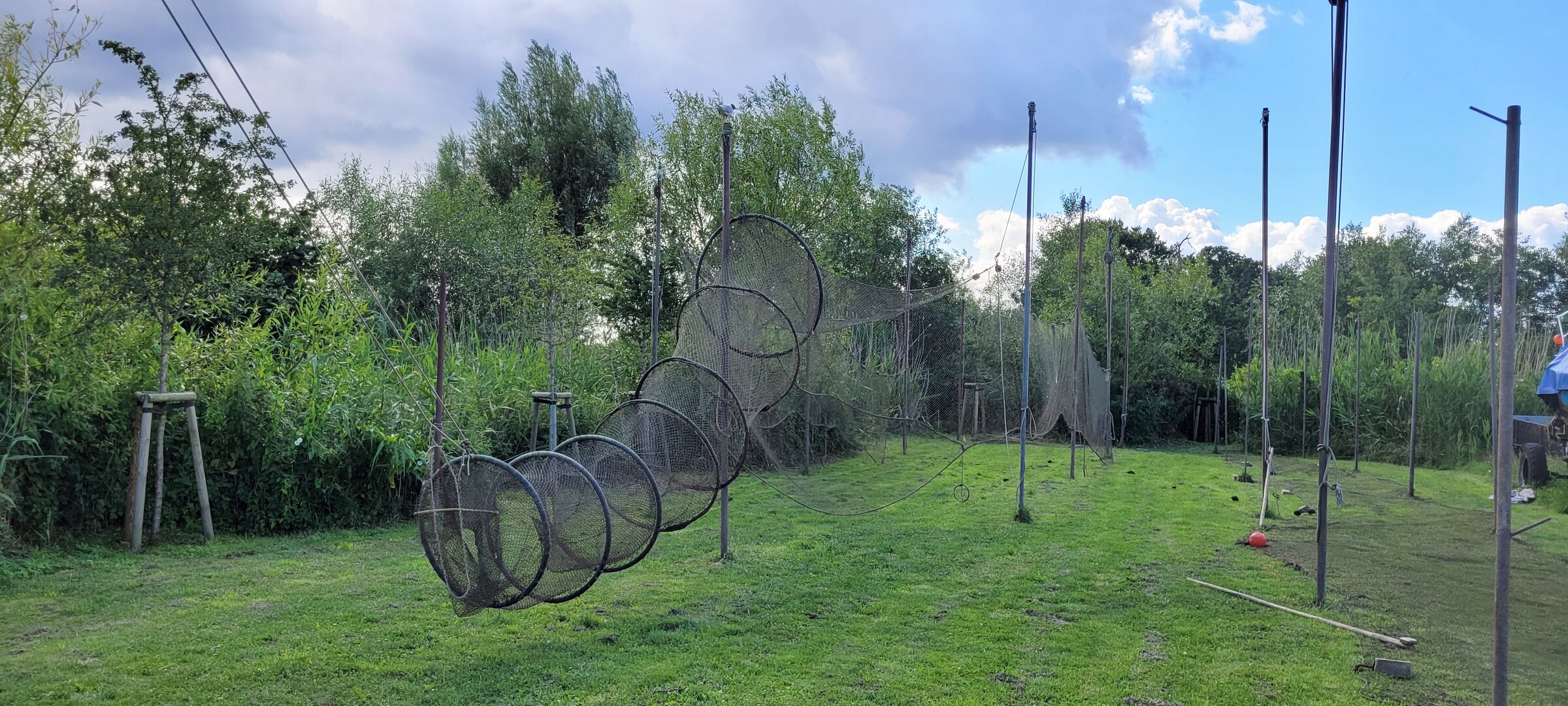
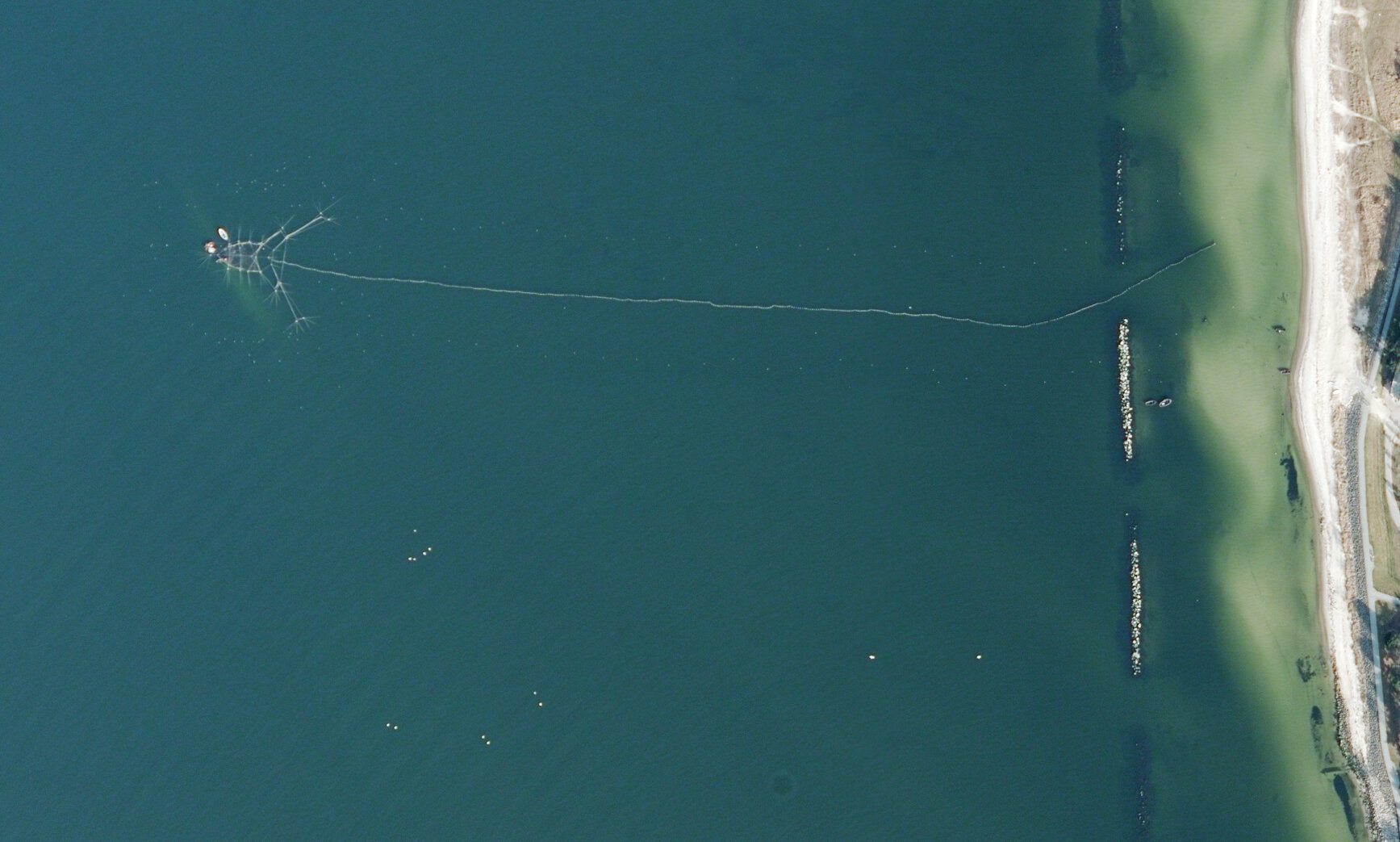
Fishing takes place in the coastal waters of the Baltic Sea and in the Bodden lagoons, usually by individuals or small crews. The catch depends on the season, region, stock levels and the marine environment. The fishermen mainly use fixed, selective gear such as gillnets, traps or longlines. The decline in herring and cod stocks in particular is threatening the very existence of traditional fishing. Currently, there are still 144 full-time and 132 part-time fishing businesses. “Coastal fisheries are facing difficult times. It is an important signal that they now form part of Germany’s cultural heritage worthy of protection,” says Daniel Schneider, Head of the Information and Coordination Office for Fisheries Transformation (IKTF). The agency, based at the Thünen Institute, has recently begun supporting the fishing industry in preparing for the future. Dr Christopher Zimmermann, Head of the Thünen Institute of Baltic Sea Fisheries, also welcomes the UNESCO Commission’s decision. “Coastal fishermen generally practise their trade using fishing gear that conserves fish stocks. Together with them, we are now developing techniques to reduce unwanted bycatch of seabirds or porpoises,” says the scientist.
The UNESCO Commission’s statement notes that small-scale coastal fishing, as a cultural practice that shapes identity, has had a lasting impact on the way of life, economic practices and self-image of coastal regions. At the same time, it is a dynamic practice that continually adapts to ecological, climatic and social changes. “The recognition by the state ministries of culture of the diverse experiences, skills and adaptability of our fishing families is an encouraging sign,” says Martin Schlockwerder, spokesperson for the applicant producer organisations. “The application explicitly includes a dialogue on future economic practices that take sustainability goals and future challenges into account,” emphasises Schlockwerder.
In addition to coastal fishing, the craft of men’s tailoring, the culture of fairground performers at folk festivals, playing football on the local pitch, and St Martin’s Day processions in the Rhineland have also been included in the list of intangible cultural heritage. The list, which has been in existence since 2013, is intended to recognise creative, inclusive and innovative forms of culture. Entries from it can be nominated for one of the three official UNESCO lists.