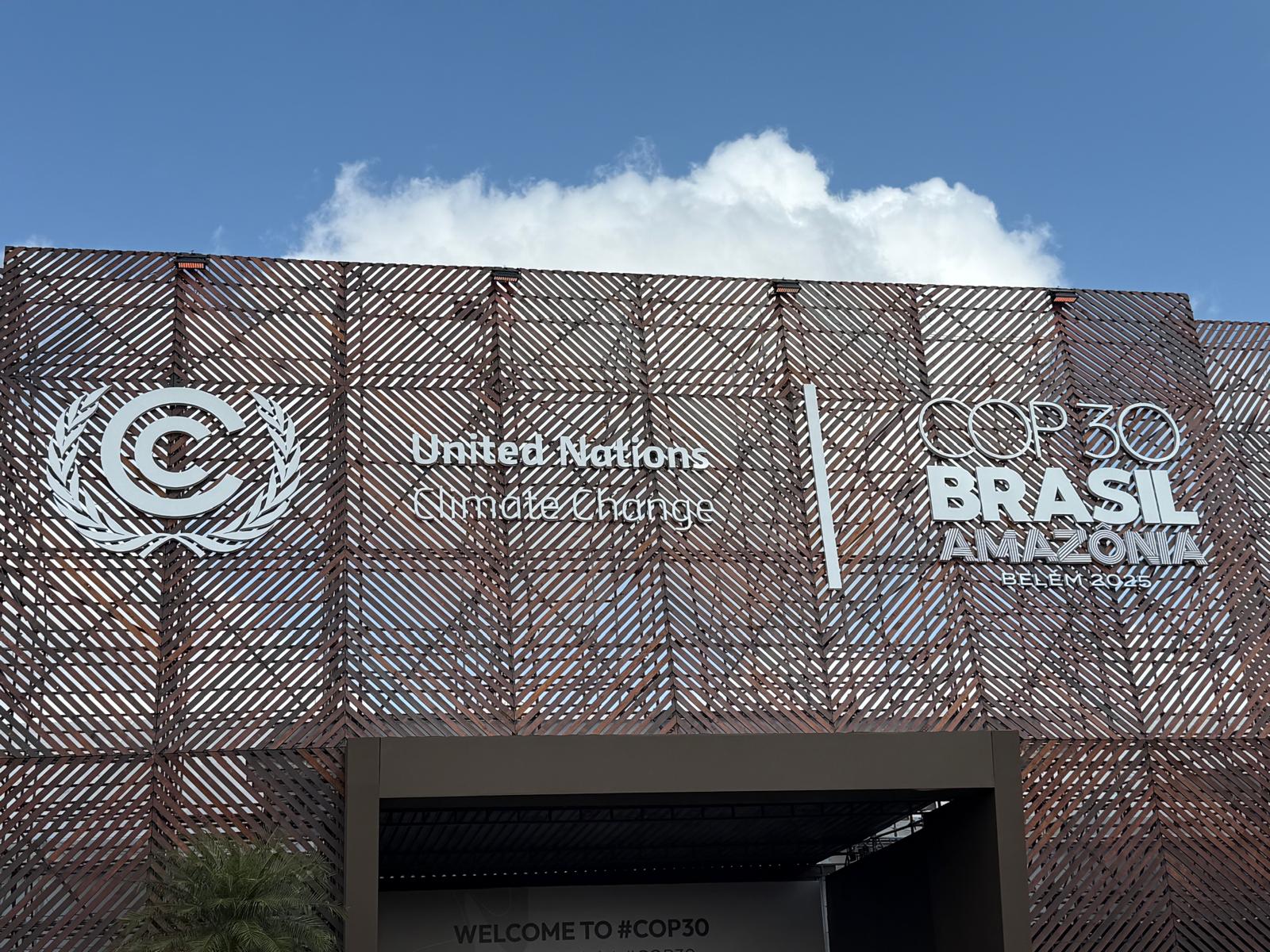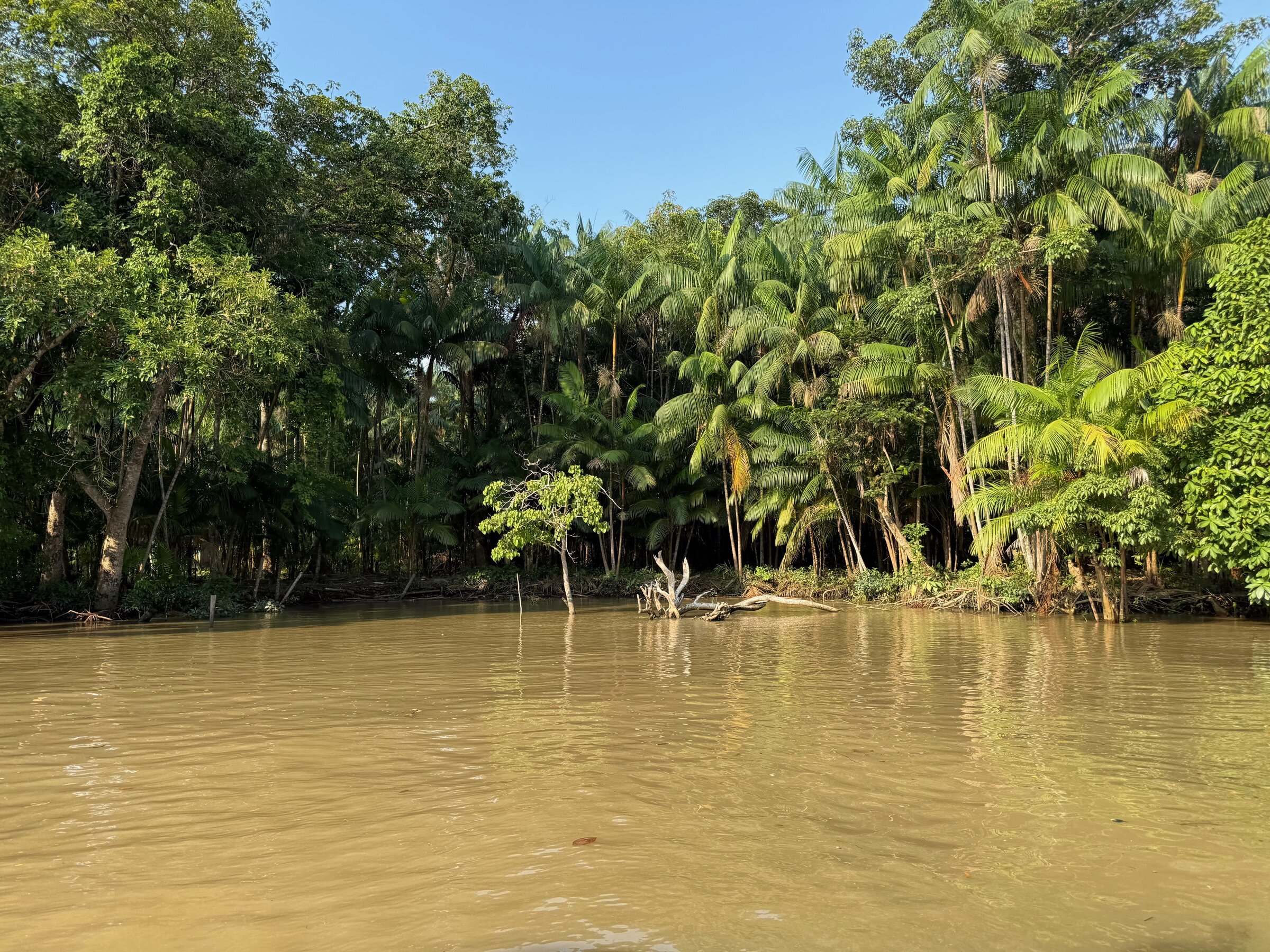
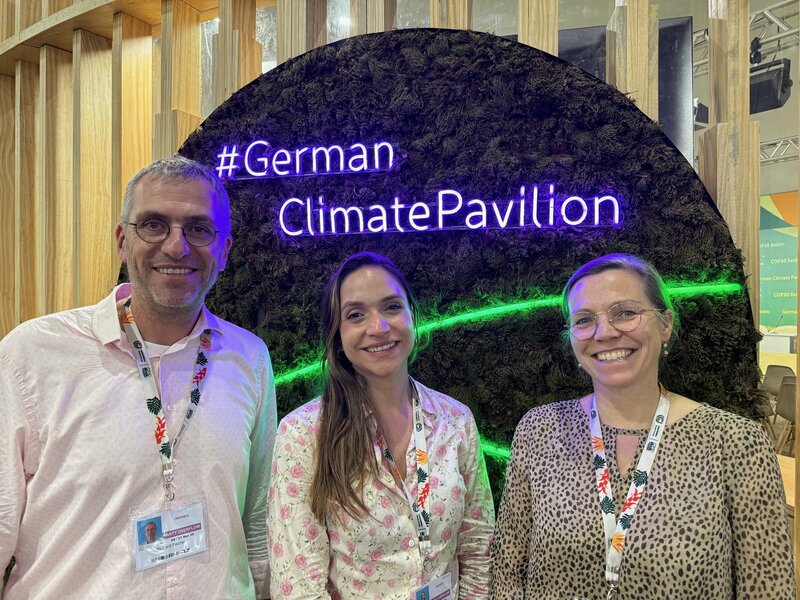
The COP30 World Climate Conference is taking place this week in Belém, Brazil, on the fringe of the Amazon. Despite the ambitious goals of the Paris Agreement, emissions from agriculture continue to rise worldwide. Forests also remain under threat: although deforestation rates have fallen, too much forest area is still being lost.
Holistic approaches to climate protection in agriculture
Negotiations on the ground continue to focus on the work programme on agriculture, known as the Sharm el-Sheikh Joint Work on Climate Action on Agriculture and Food Security. The focus here is on systemic and holistic approaches that integrate climate protection and climate adaptation into agriculture and the food system. Claudia Heidecke from the Climate, Soil and Biodiversity Unit is leading the negotiations on the agriculture work programme together with the independent climate change expert Una May Gordon from Jamaica.
The Sharm el-Sheikh online portal, which was first presented at COP29 in Baku, continues to grow. It brings together relevant projects and policy instruments that promote climate protection. In the run-up to COP30, many countries, including Germany, submitted contributions to the platform.
Positive effects of the EUDR on non-EU countries
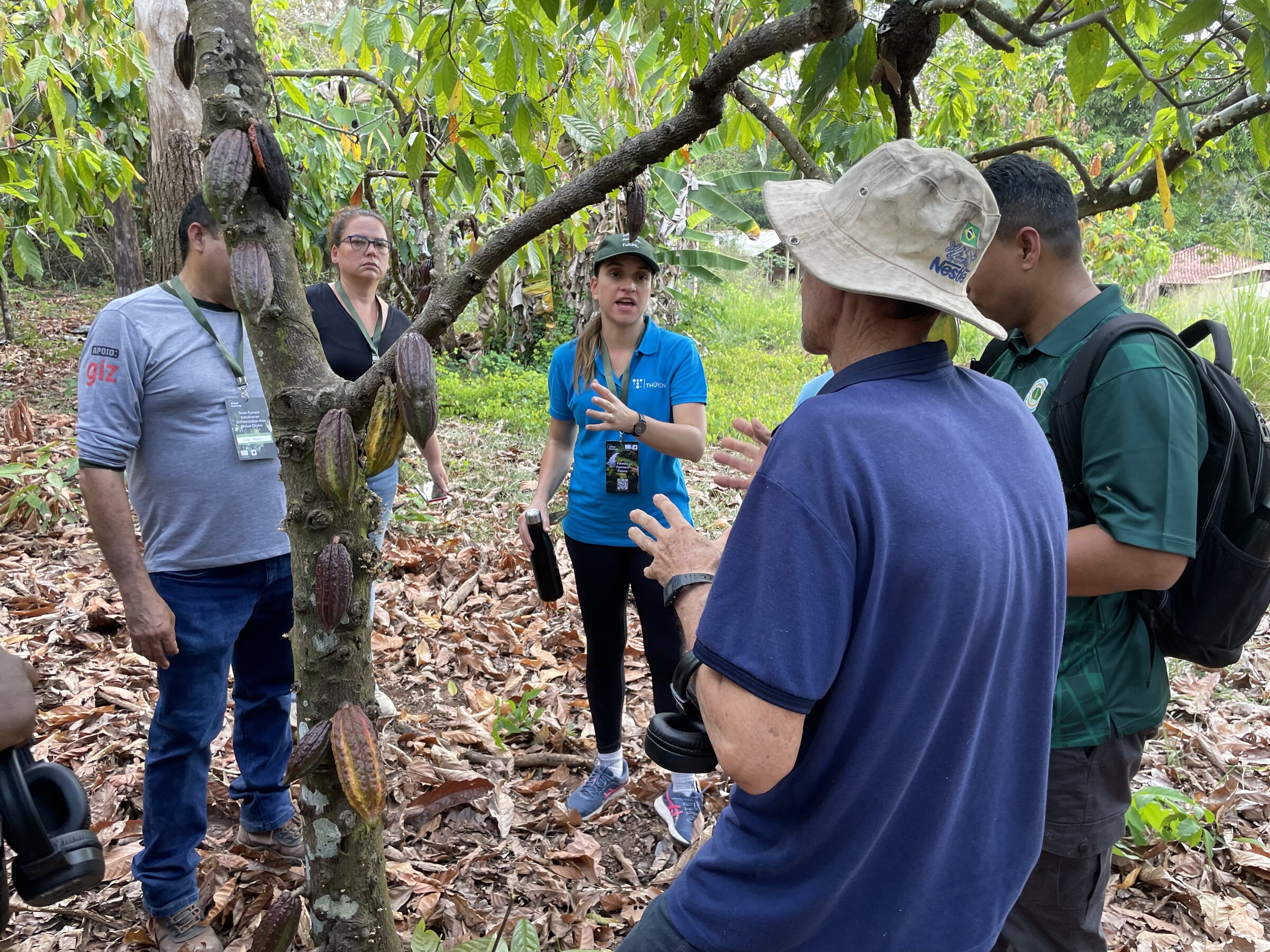
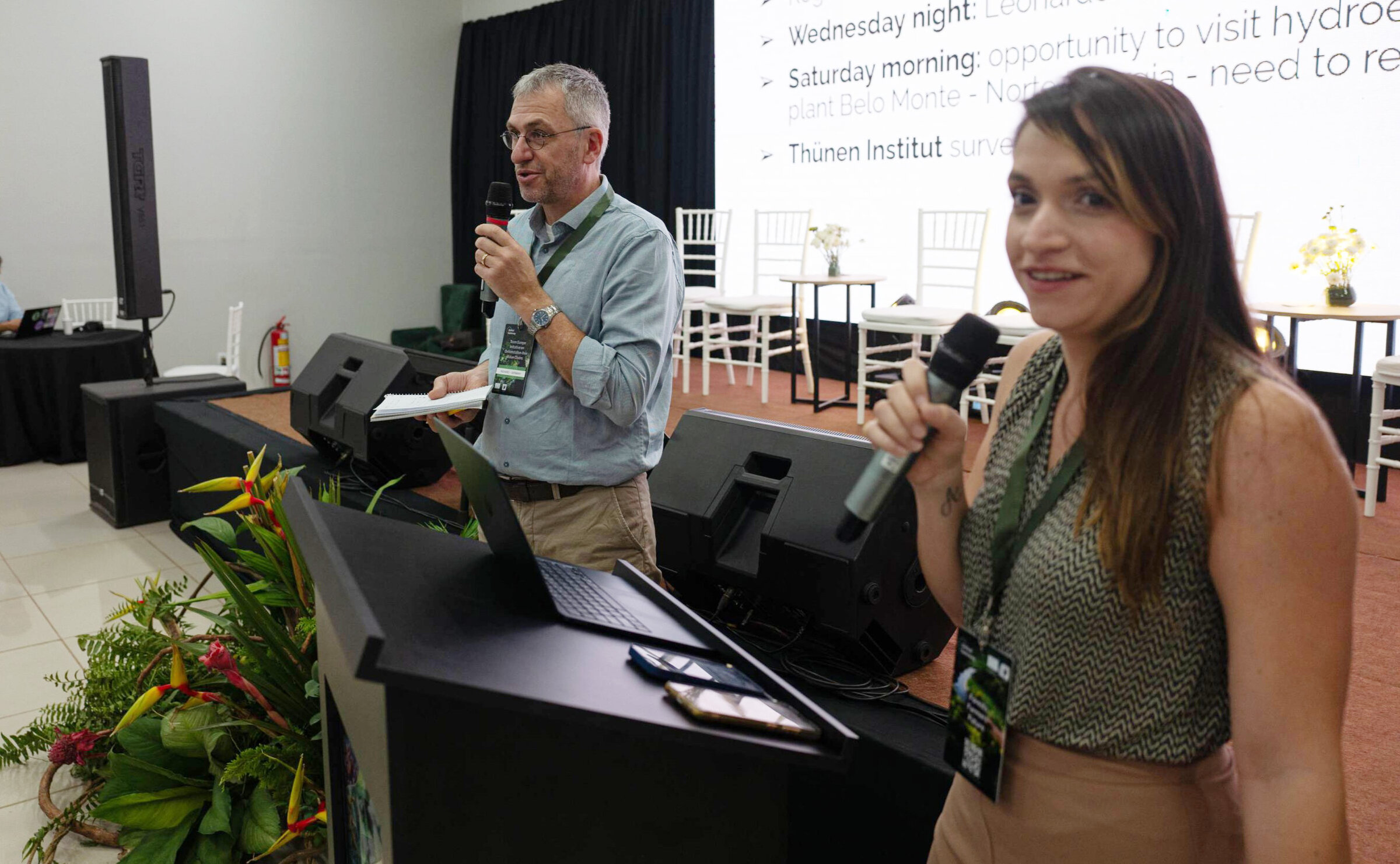
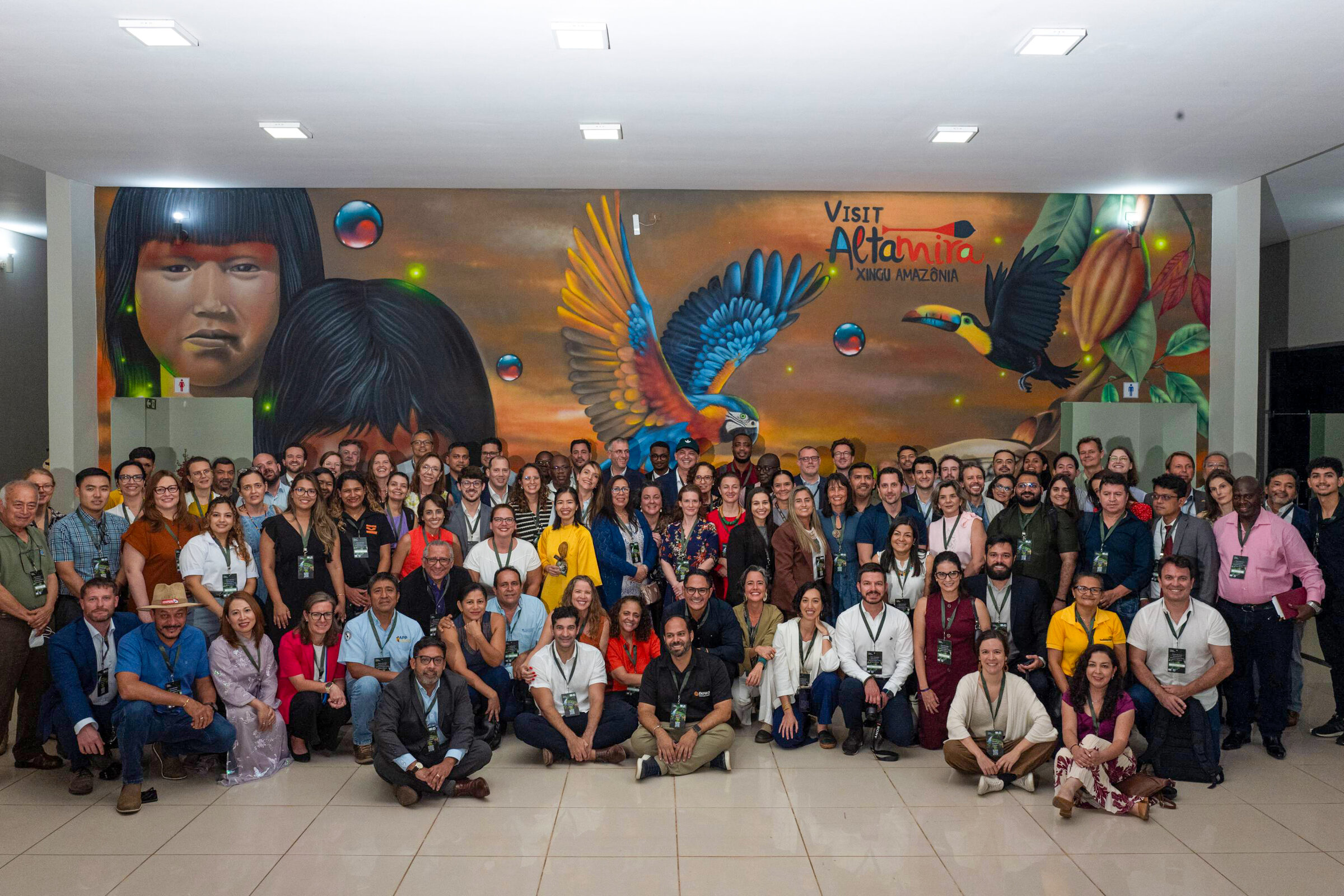
The Thünen Institute of Forestry is also involved: on 6 November, Caroline Salomão and Richard Fischer presented the results of their policy analysis on the EU Deforestation Regulation (EUDR) in Altamira. They were able to show that the EUDR has a positive impact on the policies of many non-EU countries. Based on their new research findings, the Thünen researchers are optimistic about the further implementation of the EUDR.
According to their case study for Brazil, the EUDR promotes compliance with national laws on forest protection. This also applies to many other non-EU countries, as confirmed by a survey of international experts. During COP30, the Thünen researchers discussed their findings with representatives from more than 25 countries.