![[Translate to English:]](/media/_processed_/2/9/csm_Embryo-Exp_Gelege_9F_dpf5-200513111619_c8534a8199.jpg "[Translate to English:]")
![[Translate to English:]](/media/_processed_/2/9/csm_Embryo-Exp_Gelege_9F_dpf5-200513111619_9027994d44.jpg "[Translate to English:]")
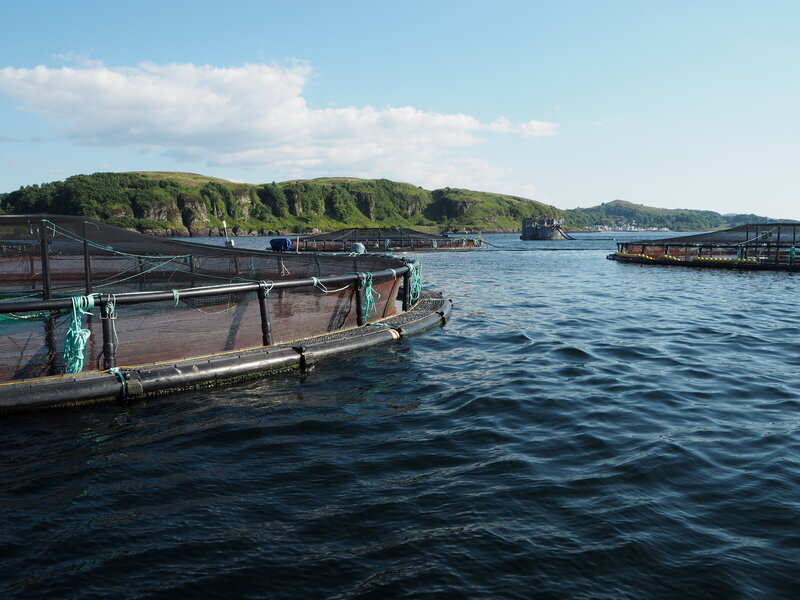
Marine aquaculture is heavily dependent on international trade and global supply chain segments — both in production and distribution. Due to recent global shocks such as the COVID-19 pandemic, the Russian invasion of Ukraine, and conflicts in the Middle East, interest in regionalized supply chain models is growing. An international team of authors, including a researcher from the Thünen Institute for Fishery Ecology, has examined four significant segments of the marine aquaculture supply chain. They assessed the potential for regionalization and considered various sustainability dimensions. The study concludes that, compared to globalized strategies, regionalization has the potential in many countries to ensure healthier, more resilient, and more stable food security. However, the challenges and disadvantages associated with this approach must not be overlooked. Regionalization is not an "all-or-nothing" approach; in practice, it demands a holistic perspective and targeted expansion of regional capacities in specific areas.