![[Translate to English:]](/media/_processed_/e/3/csm_Demetra2_c8a192c0f8.jpg "[Translate to English:]")
![[Translate to English:]](/media/_processed_/e/2/csm_Demetra1_Panorama_8557ee3b13.jpg "[Translate to English:]")
Project
Supporting the agroecological transition through living labs networks (SUNRISE)
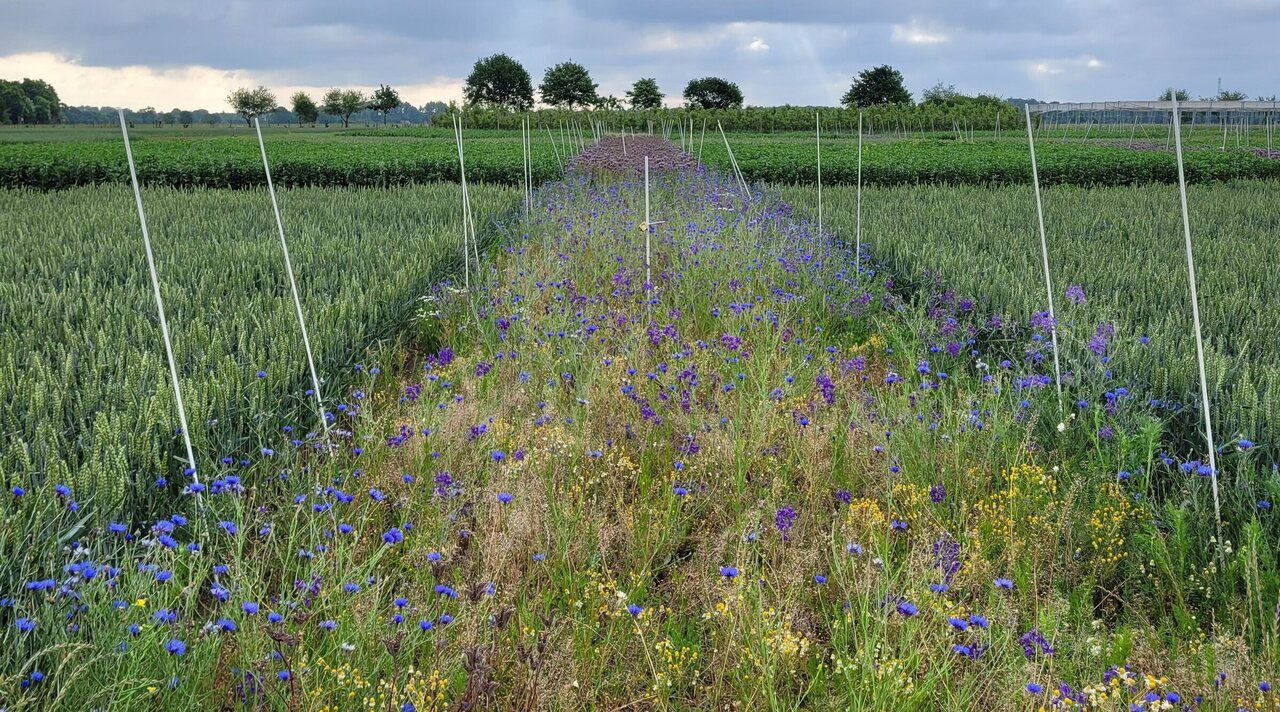
SUNRISE aims to foster the agroecological transition by establishing a network of agroecological living labs (AELLs) across 10 European countries. It builds upon already existing living labs (actual AELLs) or situations that have the potential of becoming active AELL within the time span of the project (potential AELLs).
Background and Objective
AELLs are located at the sub-regional or regional level and are based on networks of actors (multi-actor teams, MATs) who already apply agroecological practices/value chains. They include: (i) farmers (organic and conventional); (ii) agricultural advisors; (iii) upstream and downstream companies (e.g., seed and fertilizer producers; food/feed processors; retailers); (iv) civil society organizations (e.g., NGOs, consumer associations); (v) regional/national policymakers; (vi) scientists.
The core of the project consists of jointly designing, testing, evaluating, validating, and disseminating new agroecological solutions (i.e., practices) that aim to overcome key agronomic problems that hinder or delay the agroecological transition. Activities in the AELLs relate to the most important cropping/farming systems in the target regions (e.g., arable farming, livestock farming, agroforestry). MATs are responsible for all activities related to the joint creation of innovations, demonstration, and knowledge exchange regarding innovative agroecological practices.
Thünen-Contact

Involved Thünen-Partners
Involved external Thünen-Partners
- Julius Kühn-Institut - Bundesforschungsinstitut für Kulturpflanzen (JKI)
(Quedlinburg, Braunschweig, Groß Lüsewitz, Kleinmachnow, Deutschland) - Landwirtschaftskammer Niedersachsen
(Oldenburg, Uelzen, Hannover, Deutschland)
Funding Body
-
European Union (EU)
(international, öffentlich)
Duration
4.2025 - 3.2028
More Information
Project status:
ongoing