See blog
Research into the effects of biological pollutants in the North Sea and Baltic Sea
Pedro Nogueira | 28.08.2025
The 492nd cruise of the Walther Herwig III is dedicated to investigating the biological effects of pollutants in the North Sea and Baltic Sea within the framework of national legislation and measurement programs (Radiation Protection Act, Federal-State Measurement Program (BLMP)), international agreements (Oslo-Paris Agreement for the Protection of the North Sea and the Northeast Atlantic (OSPAR 1992), Helsinki Agreement on the Protection of the Baltic Sea (HELCOM 1992), and various research projects currently underway at the Thünen Institute. The aim is to analyze radioactive substances, heavy metals, and organic pollutants, as well as their effects on biological systems.
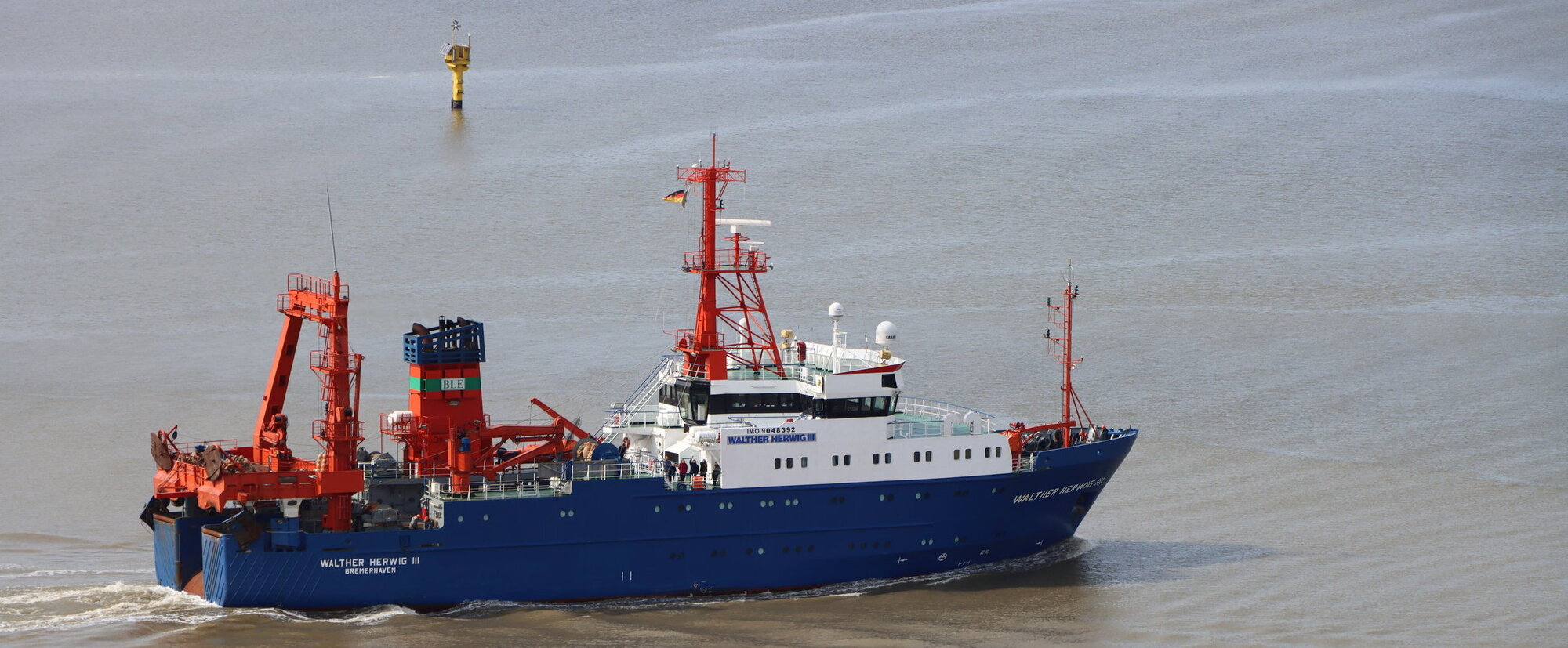
Duration: 19 August to 20 September 2025
Area: North Sea and Baltic Sea
Cruise leader: Pedro Nogueira, Institute of Fisheries Ecology
- Collection of fish samples for the analysis of radioactive substances, heavy metals and organic pollutants using bottom trawls and pelagic trawls
- Removal of livers and other organs from fish for subsequent histological and biochemical examinations
- Taking water samples and using probes for hydrographic determinations of salinity, temperature and oxygen using a crane water sampler with CTD probe and oxygen sensor (CTD = probe for measuring conductivity, temperature and depth)
- Collection of water samples for analysis for environmental DNA (eDNA) using a crane water sampler
- Taking sediment samples using a Van Veen grab
- Direct measurements of the contamination of various matrices using an ROV-supported gamma spectrometer (ROV = remotely operated underwater vehicle)
- Video recordings of rubbish on the seabed with an epibenthos sledge (epibenthos = organisms living on the seabed)
- Collection of infauna samples for biotope characterization
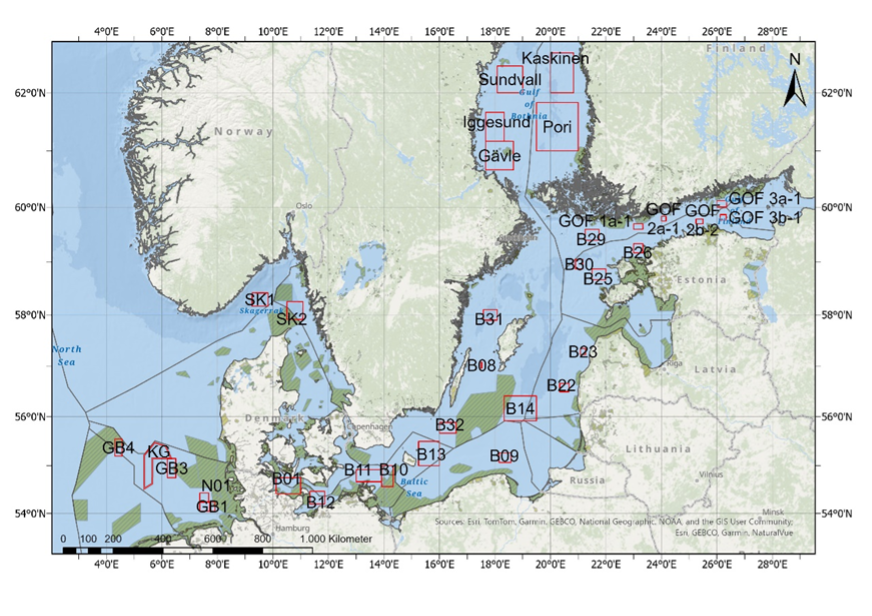
Due to time constraints, it may not be possible to visit all of the survey areas requested and shown in the figure. The decision on this will be made at short notice.
The following equipment is to be used at the stations:
- Bottom trawl (GOV in the North Sea; 140 in the Baltic Sea) with net probe
- Pelagic trawl (PSN 205) with net probe
- Wand water sampler with CTD probe and O2 sensor (CTD = probe for measuring conductivity, temperature, and depth)
- Epibenthos sled (epibenthos = organisms living on the sea floor)
- ROV gamma spectrometer (ROV = remotely operated underwater vehicle)
- Van Veen grab
- Box grab
The plan is to depart from Bremerhaven on the morning of August 19, 2025; the exact departure time will be announced by the ship's command. Some of the scientific crew will come on board on August 18, 2025.
The work program will begin on August 19, 2025, in the North Sea in areas GB1 and N01, with a CTD and a bottom trawl operation (GOV; lasting 60 minutes). Once sufficient samples have been collected, work will continue in areas GB3, GB4, and SK2.
In selected areas of the North Sea and Baltic Sea, the epibenthic sled will be used to produce a video recording of the seabed. This recording will be carried out at the lowest possible speed from the WHIII and repeated several times. In addition, a van Veen grabber for sediment samples and an ROV with a gamma detector will be used.
Once this work in the North Sea has been completed, the vessel will move to the Baltic Sea. Once there, work will begin in Kiel Bay (B01) and continue towards the Gulf of Finland: B10, B09, B22, B30, Pori Kaskinen, Sundvall, Gävle, B26, GOF 3b-1, and GOF 2a-1. A bottom trawl (140; with a duration of 60 min) will be used in the Baltic Sea and, as before, the CTD will be deployed before each haul. The working areas will be selected more precisely according to the arrival time and weather conditions.
Two participants will disembark in Tallinn.
Once this has been completed, samples will be collected in areas B31, B32, and B13 (pelagic trawl (PSN 205)) before we set off for the North Sea. Here, a haul will be carried out as part of an exercise for the Integrated Measurement and Information System for Monitoring Radioactivity in the Environment (IMIS) in accordance with the Radiation Protection Act. The aim is to practice the procedures for sampling (fish samples) using radiation protection measures and to identify potential improvements for the research vessel as a place of work in order to better protect the crew in the event of a real release of radioactive substances.
A port call in Bremerhaven is planned for September 12/13 to exchange scientific personnel and selected equipment. In addition, there will be a change in the voyage management for the second leg of the voyage in the North Sea in the KG area (box corer and van Veen grab with a focus on sedimentology and soil fauna, also using eDNA).
The voyage is scheduled to end in Bremerhaven on September 19, 2025.
++ 19.08.2025.++ Departure and start of work


A clear, sunny day in Bremerhaven: The Walther Herwig III's 492nd voyage is about to begin. After a meeting after breakfast to discuss the distribution of tasks, we set sail at 10 a.m. in bright sunshine. We used the first few hours of our voyage to set up the laboratories and our accommodations and to carefully secure all our equipment.
Around noon, we encountered the first fishery in fishing area GB1 near Helgoland, which mainly contained herring, sprats, and whiting. We also caught a few lobsters and smooth-hound sharks. The student assistants quickly got the hang of identifying and sorting the species.
On the following days, the diversity of the catch remained similar to the first day.
++ 22. - 24.08.2025 ++ Stopover in Denmark


Due to elevated temperatures in the NT cooling water of the Walther Herwig III, we had to dock early Friday morning in Hirtshals, Denmark. After replacing the plate cooler package, the cooling water temperatures and pressures returned to normal. Despite the gloomy mood and uncertainty as to whether the voyage could continue, we made our way to the aquarium and the beach – determined to make the best of the situation and enjoy our time as much as possible. We hiked together to the lighthouse and enjoyed the sunny weather.
We also mastered the safety drill carried out on Saturday morning without any problems. Those who were on board for the first time took the opportunity to familiarize themselves with the survival suits. In an emergency, it is advantageous to have already gained some initial experience.
Afterwards, some preparations were made for the ROV (remotely operated vehicle) and the epibenthos sled. We ended the day with a barbecue together, because the next day the journey and thus also the work was to continue.
++ 26.08.-02.09.2025 ++ „Diesel plague“ on Bord - Arrival in Kiel


From Denmark we set off again for our next area, Skagerrak. The diversity in this area was very different from the areas we had already been to. We mainly fished for saithe, haddock and blue whiting. There were also some special species, including star rays and an anglerfish.
After the exciting catch, however, we were hit by another disaster, as "diesel plague" was discovered in a tank of the Walther Herwig. "Diesel plague" refers to the contamination of diesel fuel by biofilm-forming microorganisms, which can lead to loss of power and engine failure. We therefore docked in Kiel on Tuesday afternoon to pump out and clean the tank. With the two stopovers, the original plan was postponed by a few days, which is why the upcoming stops had to be reorganised.
The seven-day stopover in Kiel was bridged with various other activities, including a joint visit to the "Night of the Museums", such as the Maritime Museum or the Zoological Museum.
While another problem with a compressor in the air conditioning system arose in the meantime, which had to be fixed in Kiel, the first preparations for the next catch were already being made on board.
++ 02.09.2025 ++ Back at sea at last - a new start on the Baltic Sea


After the repairs over the last few days, the time had finally come again today: we were able to set sail from Kiel early in the morning. The feeling of being back on the water made us all breathe a sigh of relief, as we were then able to continue the work. The sea was merciful, the weather stable and the mood on board was correspondingly good.
Fishing was successful as well: a particular highlight was the catch of a sea scorpionfish (Myoxocephalus scorpius), a species rarely seen in our nets. We also saw two eelpouts (Zoarcidae) in our catch. The catch was supplemented by a large number of cod (Gadus morhua), flounders (Platichthys flesus) and plaice (Pleuronectes platessa). Overall, a range of species that provides important information on the local fish community.
++ 03.09.2025 ++ Between jellyfish and plastic - insights from the Baltic Sea
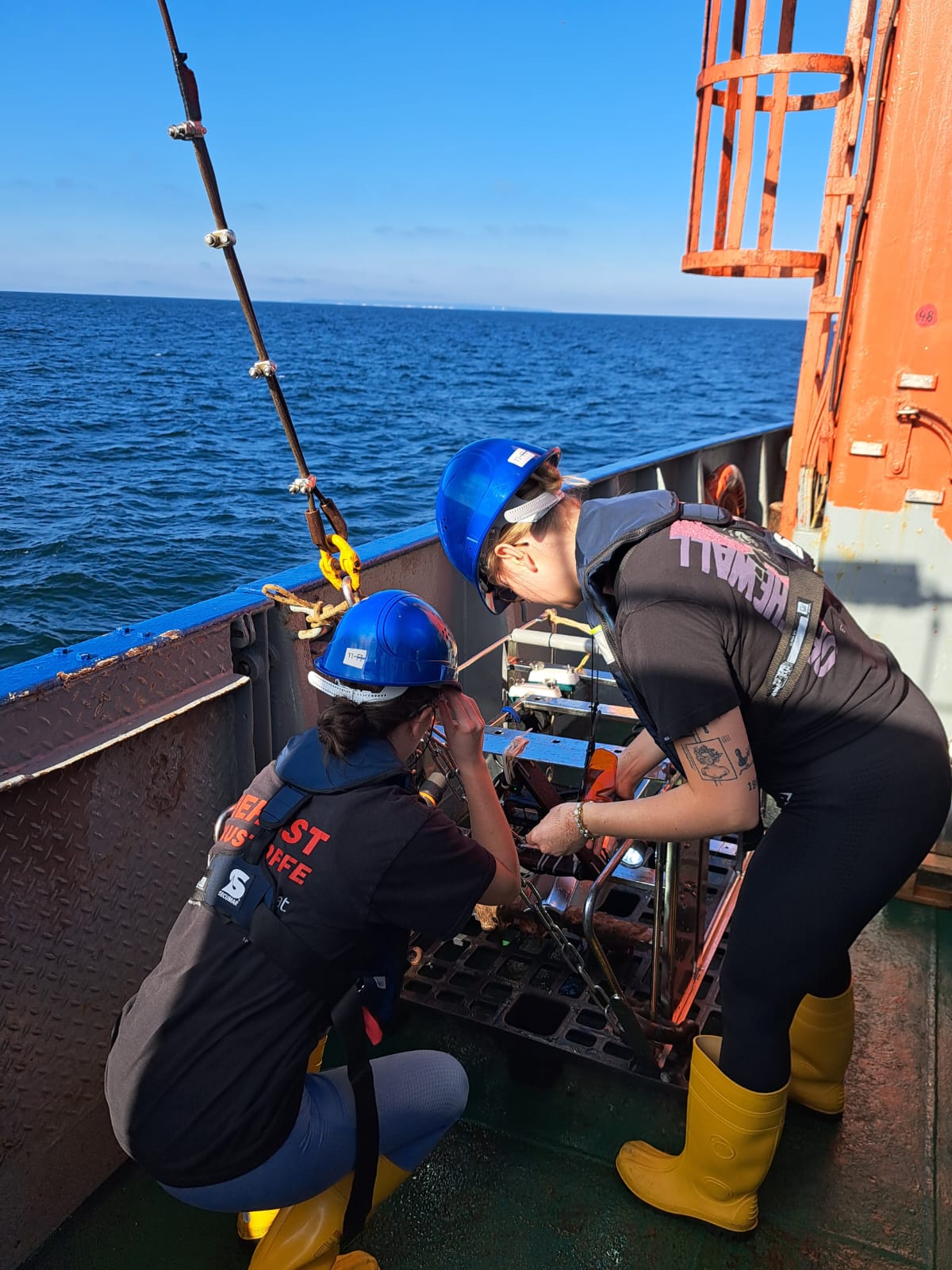


Once in the Baltic Sea, the video sled was also used with the specific aim of systematically recording rubbish on the seabed. The recordings showed many starfish, jellyfish and some flatfish as well as sea scorpions. However, several pieces of rubbish were also documented, including plastic sheeting, fishing nets and traces of trawl nets.
Not only rubbish was visually recorded during the missions. In some cases, larger pieces of waste such as fishing nets or plastic sheeting got caught in the sled and were unintentionally pulled on board. These accidental finds of rubbish, which were unintentionally lifted on board, tell a silent story of how the depths of the Baltic Sea have long borne traces of human presence.
++ 04.09.2025 ++ GPS failure on board - A successful catch with team spirit and ingenuity


In the meantime, an unexpected problem occurred on board: our GPS signal failed. Without precise position coordinates, important scientific operations such as the CTD or the planned haul could not be carried out.
The CTD is used to measure the salinity, temperature, pH value, oxygen content and depth of the water. The probe is slowly lowered through the water column and continuously records data at various depths in order to create a precise profile of the water stratification. However, without exact position data, these measurements could not be carried out as planned.
The planned haul with the network was also not possible because there was a pipeline in the area. As we didn't know exactly where we were, we couldn't risk damaging the pipeline with the bottom trawl. So we had to get creative.
Without further ado, the fishing rods were unpacked and the crew helped us catch a hundred cod. The length and weight of each individual fish were systematically documented. Tissue samples were also taken, which were later analysed in the laboratory. Despite technical difficulties, we were able to obtain valuable data and make good use of the time.
++ 05.09.2025 ++ Radioactive control on board - routine exercise for emergencies
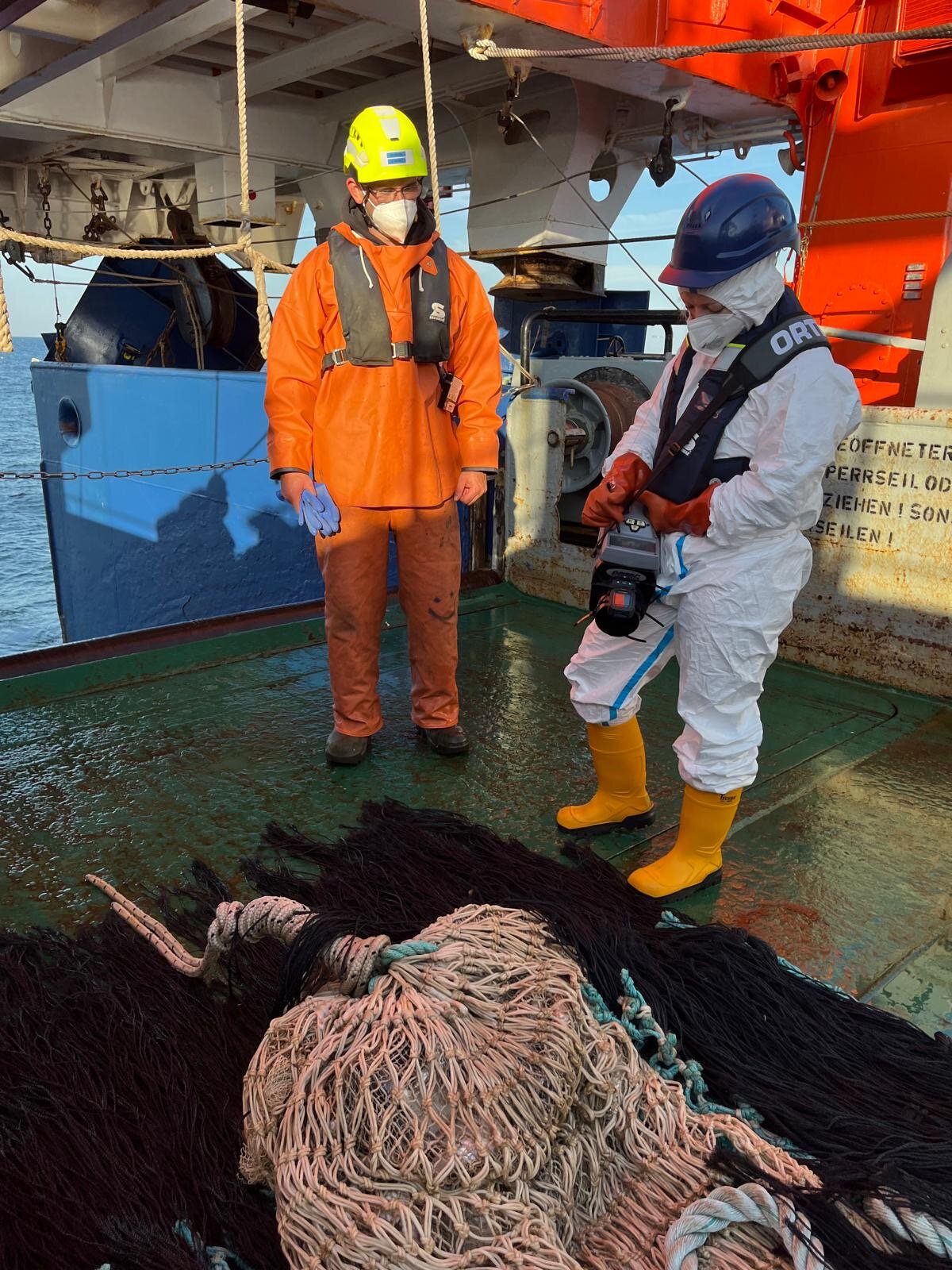
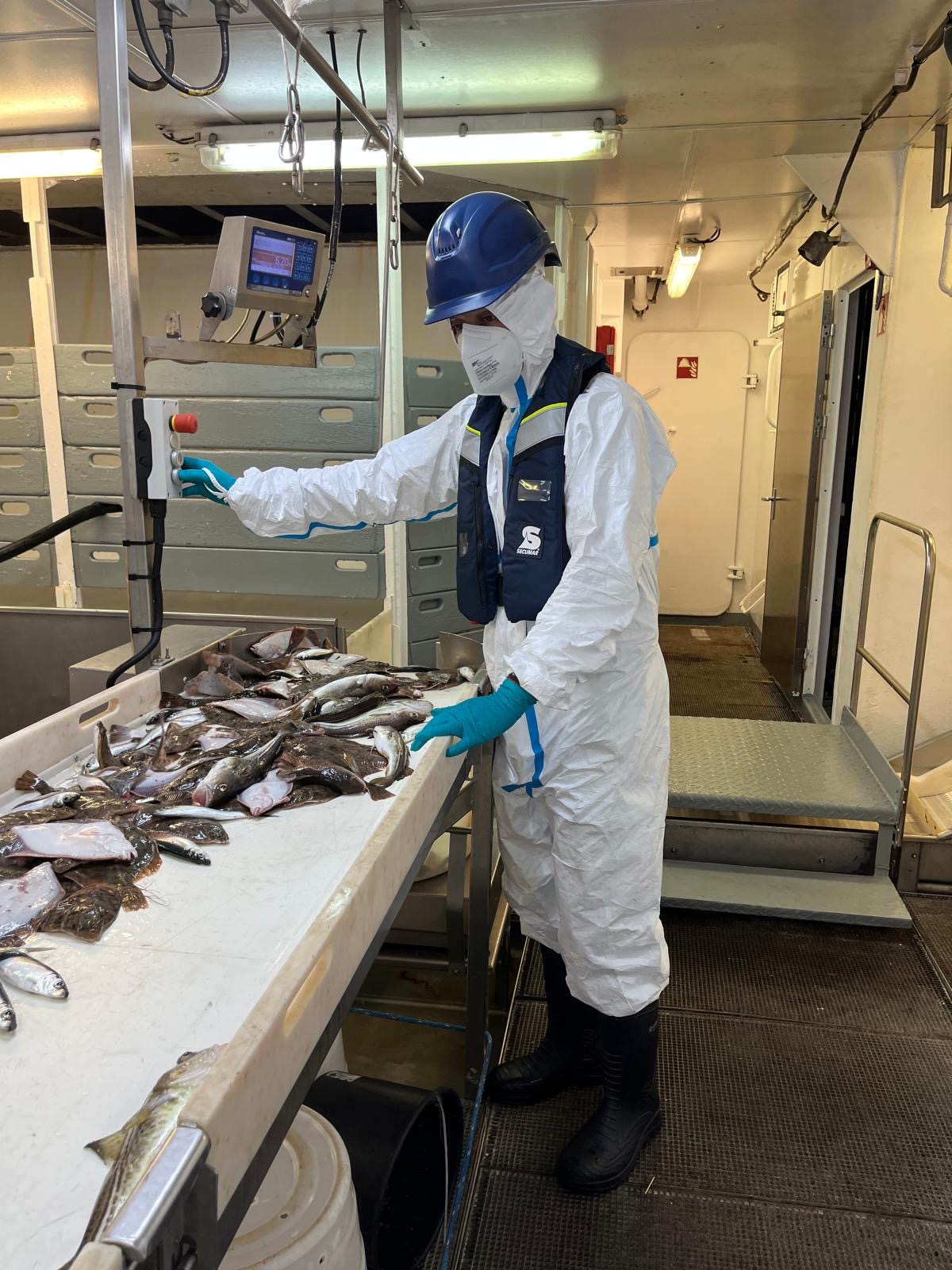
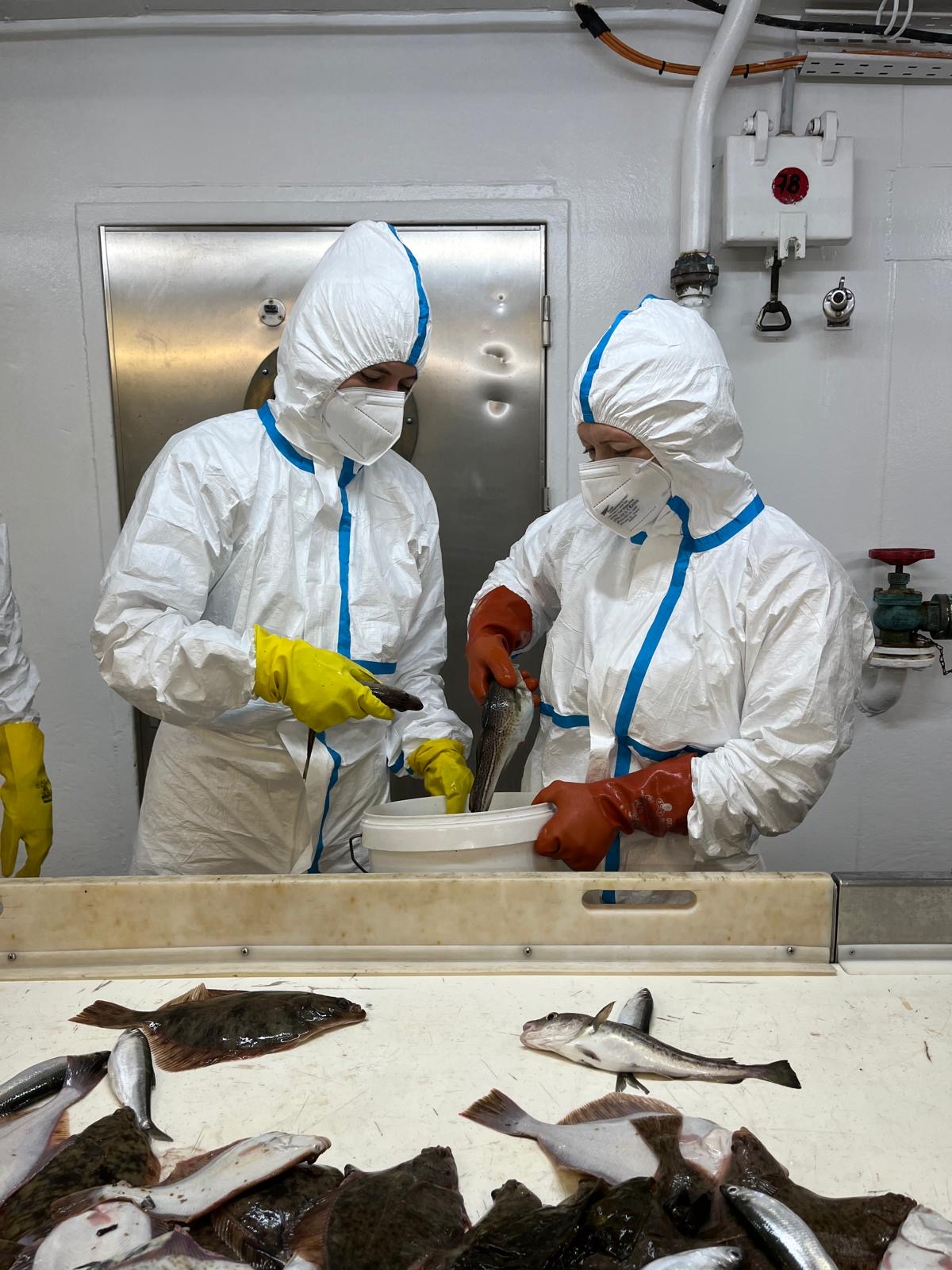
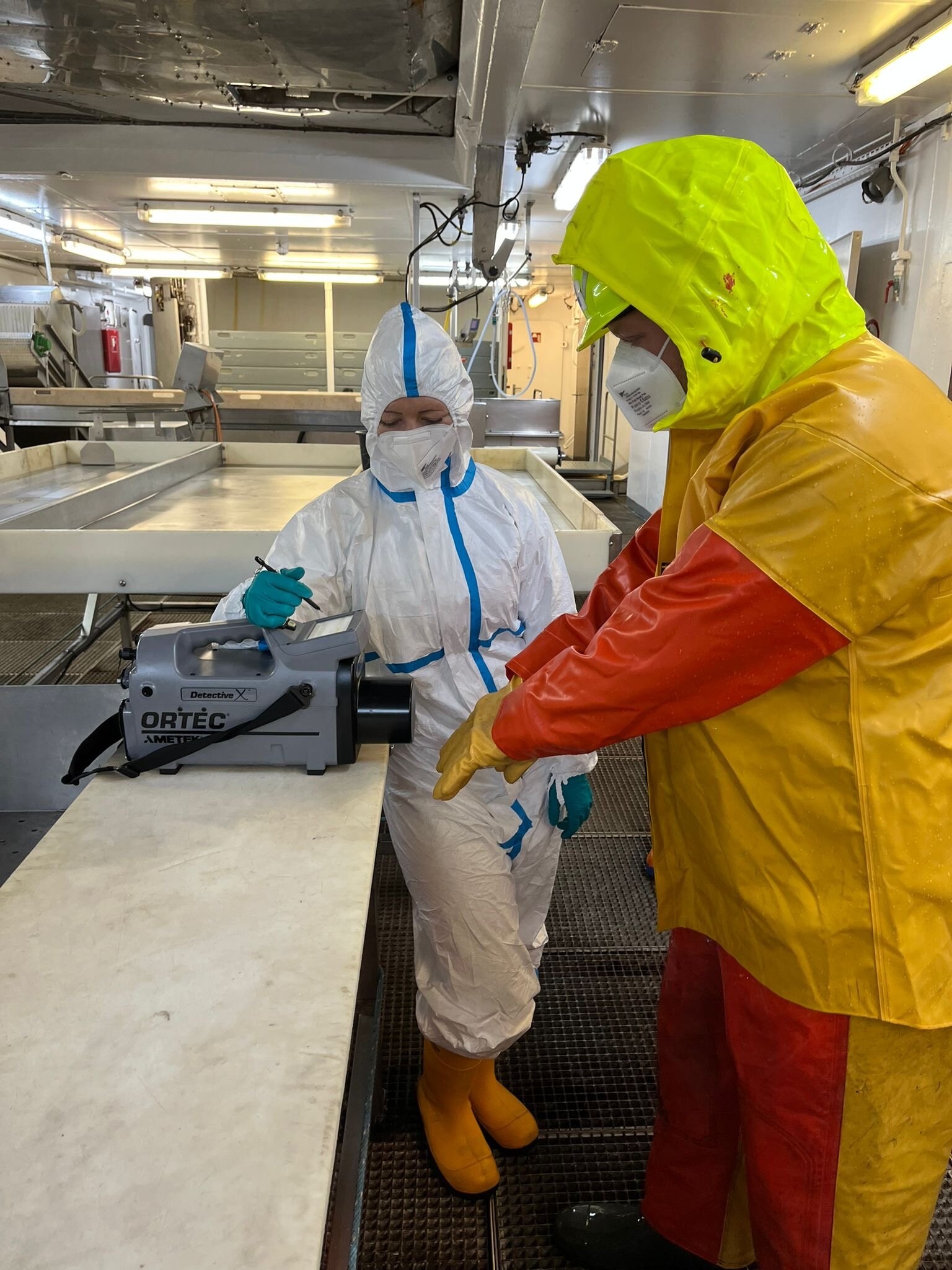
An IMIS exercise was carried out on board in order to be prepared in the event of radioactive contamination in fishing and to be able to react correctly in an emergency. IMIS stands for "Integrated Measurement and Information System", which has the task of constantly monitoring radioactivity in the environment.
After hauling in the net, the catch was carefully analysed for possible radioactive contamination using a gamma spectrometer. Two fish samples, in this case of cod and flounder, weighing 1.5 kilograms each, were then taken and tested in detail.
The crew, the deck and the equipment used were also checked and measured. Fortunately, no radioactive contamination was found.
This exercise was not only an important part of our safety measures, but also a valuable opportunity to familiarise ourselves with the equipment and procedures so that we can act quickly and effectively in an emergency.
++ 07.09. – 09.09.2025 ++ Land in sight - A foggy stop in the Estonian capital


Accompanied by an increasing number of goldcrests, one of the smallest bird species in Europe, land was in sight - or at least we could sense it through the dense fog. The scheduled stopover in Tallinn, the capital of Estonia, initially turned out to be foggy, while sunshine was forecast for the following day. This was used to visit the old town with its narrow streets.
Unfortunately, four scientists had to leave the ship in Tallinn for professional reasons. A farewell party was organised for one of our colleagues, Sarah, as she was leaving the ship after a long period of dedicated service. Her commitment and the positive atmosphere she brought on board were especially recognised. We would like to take this opportunity to thank her and the other scientists who have left the ship.
++ 10.09. – 12.09.2025 ++ Crossing from Tallinn to the Gulf of Bothnia
After the sea crossing from Tallinn to the next station near Gävle, a CTD measurement and sampling with the Van Veen grab were successfully carried out. The video sled was used three times, but had to be cancelled due to very poor visibility. At the northernmost station near Kaskinen in the Gulf of Bothnia, sled deployment was also not possible due to poor visibility. The haul at this station consisted mainly of three-spined sticklebacks and herring, whose body lengths were recorded and documented.
After a restless night with wind force 8, we continued our work the next day with CTDand grab. Due to a storm warning for the North Sea (wind force 11-12), it was decided to return via the Kiel Canal. We were able to make three trips with the video sled in the vicinity of the Nordstream pipelines. It was noticeable that there was hardly any rubbish to be seen, but a flat, as yet unidentified mat of bacteria or algae.
++ 13 - 15.09.2025 ++ Last day on board - Back to Bremerhaven with filled sample boxes


On the last day of fishing, two more successful hauls came on deck - full of herring and finally enough cod: 100 of them, as planned. After that, the rehearsal work began in a well-rehearsed sequence. One person measured length and weight and documented disease characteristics. Two took bile and liver samples, another took muscle tissue and the gastrointestinal tract. A fifth person recorded all the data on a laptop. With the last cod it was clear - we were through. The samples are complete, the data in the system, the sea boxes well filled. Now it's full speed ahead towards Bremerhaven, our home port.
After four weeks on shaky ground, endless horizons and no fixed point, it will be unusual to feel solid ground under your feet again and to sleep in a bed that doesn't rock you to sleep. As we set course for the coast and travelled the last few nautical miles, there was also time to look back - at what we had achieved and at all the people who had made it possible. A big thank you to the entire crew of the Walther Herwig: captain, bridge, engine room, sailors, cooks and stewards - this expedition would not have been possible without you. Thank you for your commitment, your support and the good atmosphere on board, despite several unplanned stopovers.