Expertise
The importance of women in agriculture
Zazie von Davier | 17.01.2025
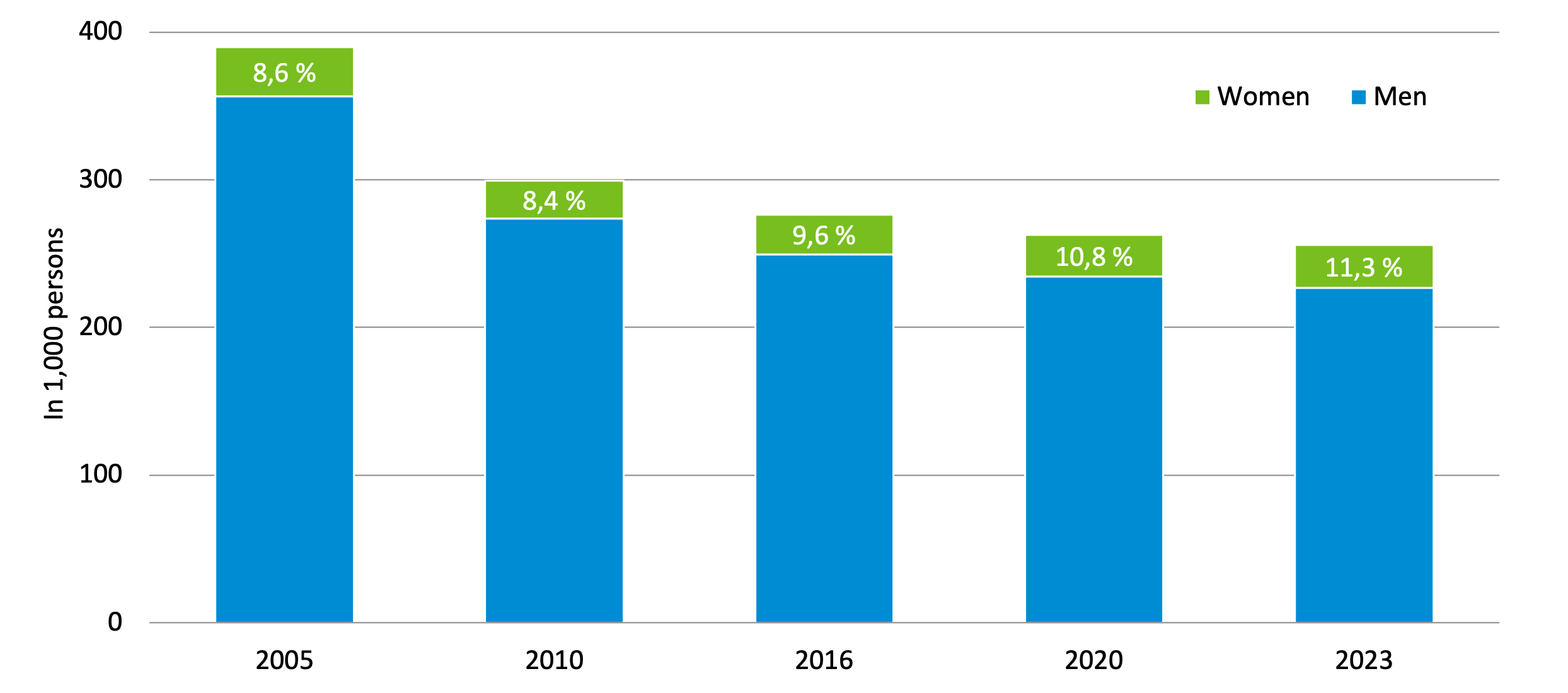
One third of the agricultural workforce is women. Only a few of them work in leading positions. But the trend is increasing: More and more women are choosing green professions and are active in company management. Agricultural statistics provide data on current developments.
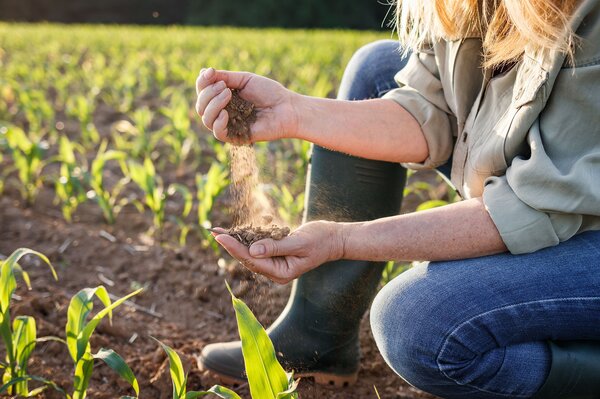
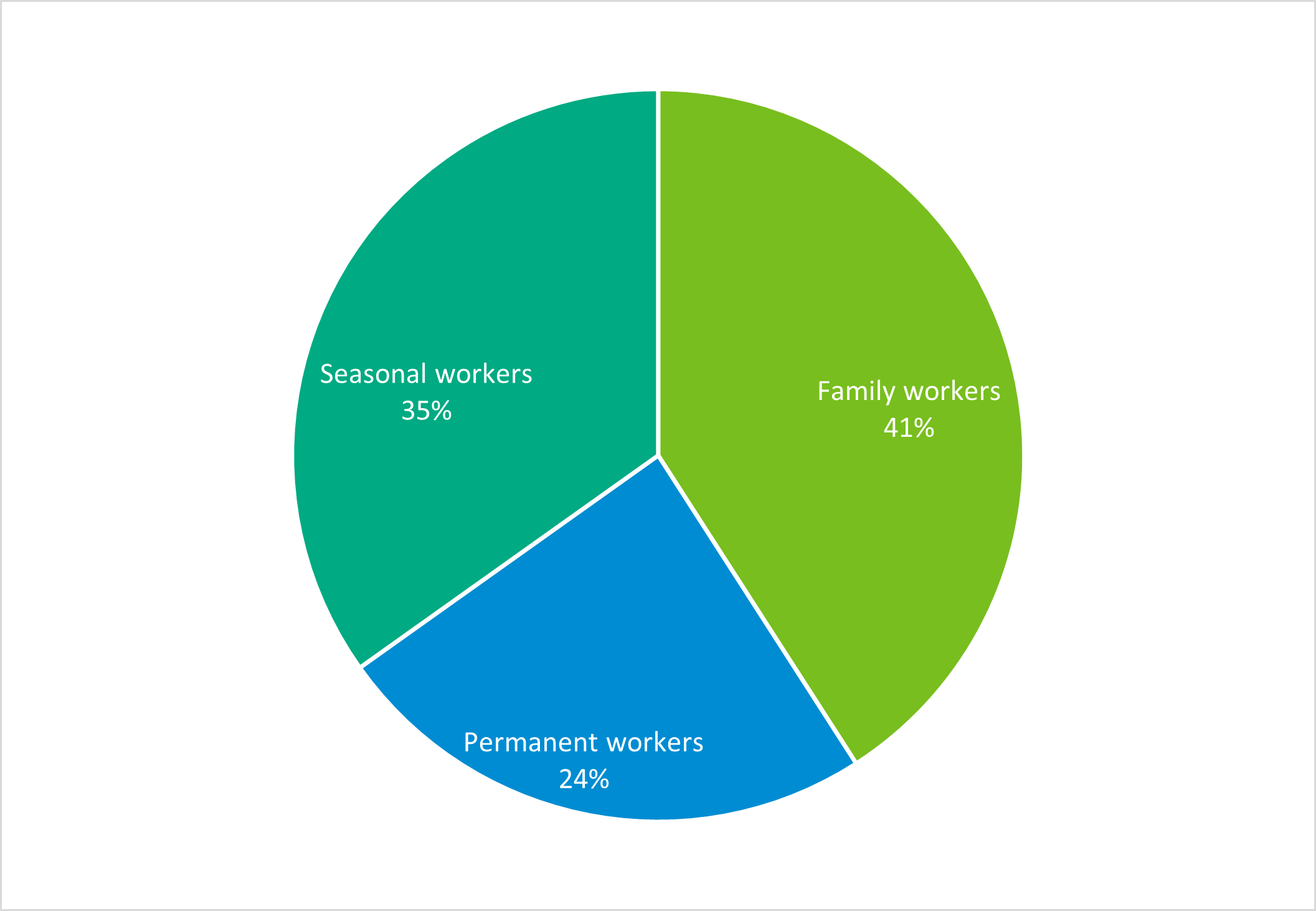
According to the agricultural structure survey published by the Federal Statistical Office, a total of 875,900 people worked in German agriculture in 2023 - about one in three of them is a woman. Around a quarter of women working in agriculture are permanent workers, about a third seasonal workers. The share of family labour is the highest at 41 per cent. The majority of these female family workers are assisting wives, not owners of the businesses.
Choosing a green profession
Whether young people choose a career in the green sector is still strongly gender-specific. For example, the proportion of women in training to become horse keepers is particularly high, while in agricultural services there are particularly few female specialists trained. In recent years, more and more women have taken the step into agriculture - in 2023, around a quarter of women chose one of the so-called green professions. In the training to become a farmer, it was about a fifth. Ten years ago, the proportion of women in this training occupation was still around ten percentage points lower.
Women in management positions in agriculture - today and in the future
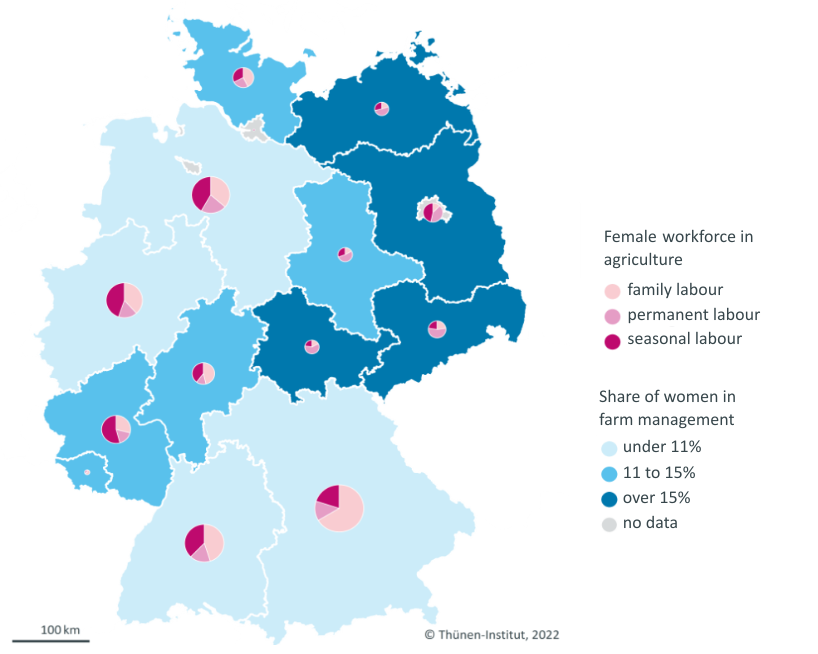
Although women play and have always played a major role on farms, the agricultural sector is still male-dominated, even at management level. Only one in nine farms is managed by a woman. In the eastern German states, the proportion of women in management is higher than in the old federal states. The highest proportion of women in 2023 was in the state of Brandenburg with around 20 percent, while Bavaria had the lowest with just under ten percent.
Women often manage smaller businesses than men and more often part-time. Their focus is on fodder and horticulture, less often on specialised arable farming. More often, they manage farms with horses, cattle, sheep and goats. Their animal populations are smaller than in the farms run by men. In addition, women are more likely to cultivate their land organically. How the proportion of women in agricultural management positions will develop in the future depends heavily on the farm succession within the family. This is because the majority of farm managers have taken over the business from their parents. At least in the western federal states, the farms used to be handed over mainly from father to son and not to daughter. This is still the case today. In 2020, 18 percent of the sole proprietorships surveyed on the farm handover planned to hand over the farm to a woman. This means that women's access to the important resource of land is still limited.
Positive development in farm succession
But there is positive news: Compared to previous surveys, female farm successions are increasing. In addition, daughters are more often chosen as successors if the company was already managed by a woman in the passing generation. This was shown by a special evaluation by the Thünen-Institute of Farm Economics, based on data from the 2020 agricultural census.