Dr. Jennifer Nascimento Schulze
Around the world for sustainable aquaculture
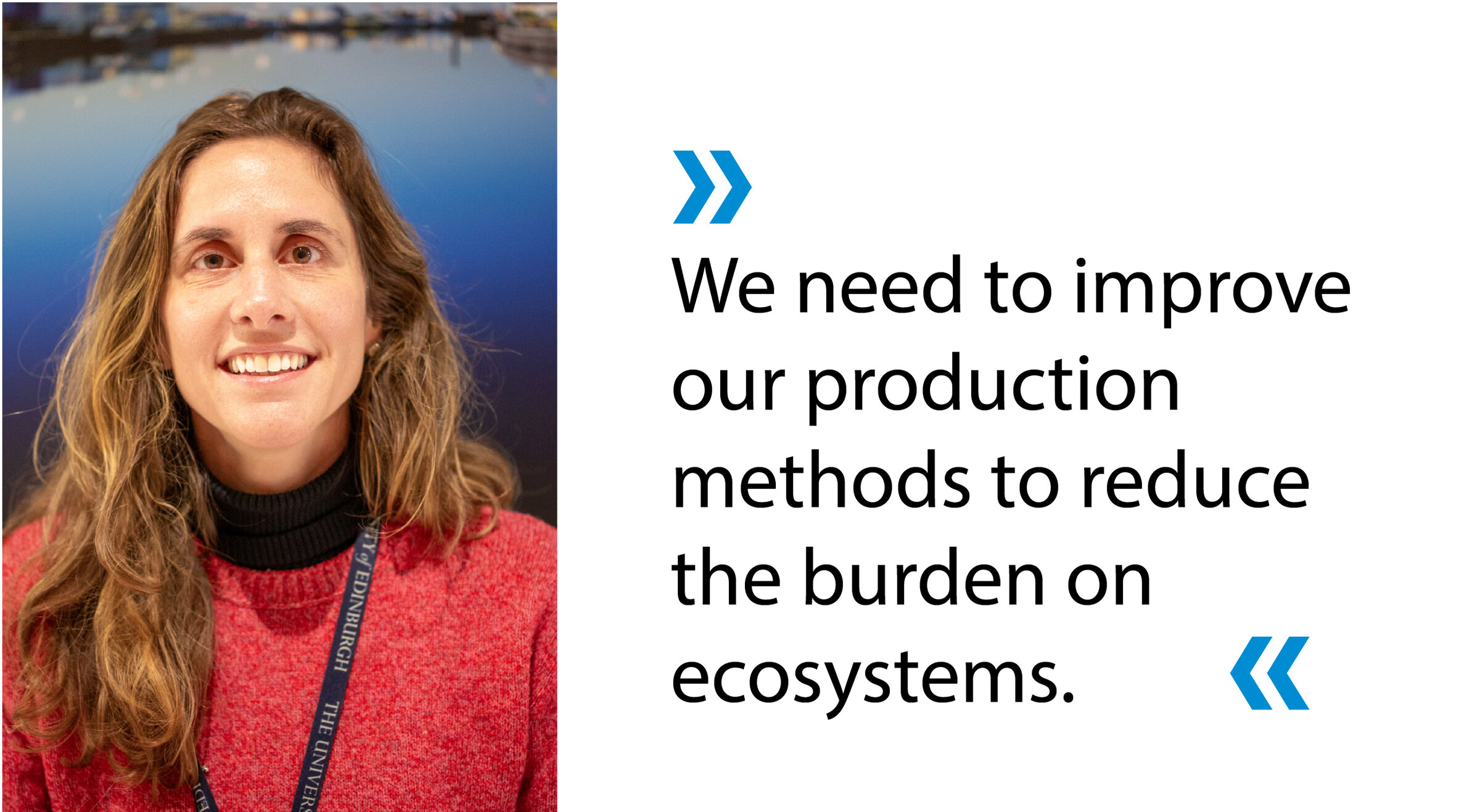
Jennifer Nascimento-Schulze has a deep connection to the sea. Growing up on the Brazilian island of Santa Catarina, she spent many hours of her childhood on idyllic beaches. Marine animals have always been part of her life – she loves them on her plate as much as she loves them in the intact ecosystems of the ocean. "I want these animals to be able to live healthily and for their use not to harm the sea," says the scientist.
Her enthusiasm for marine animals is also reflected in her academic career: her areas of expertise include technology and sustainability in aquaculture, biological oceanography and genomics. After working in Brazil, the UK and Germany, the Thünen Institute of Fisheries Ecology was finally able to recruit Nascimento-Schulze for a large-scale research project.
Restoration of European oyster reef systems – this is the name of the project aimed at reintroducing European oysters to the North Sea. The Thünen fisheries ecologists will raise the animals in the institute's aquaculture facility. Among other things, Nascimento-Schulze will ensure that the oysters are healthy and thrive. The temperature, water flow and nutrition must be continuously monitored. "This is the first time that oysters are being raised in a closed-loop system with artificial seawater. We want to understand what conditions they need in this environment," she explains.
The project team is currently making final preparations for the start of oyster farming. The scientist is busy selecting photobioreactors that she will use to grow algae as food for the oysters. She enthuses: "Microalgae are beautiful! Depending on the type of algae, the water can shimmer in shades of wine red, light green or brown." She is also looking forward to the oysters. They are due to move into the aquariums in May. Everything must be ready by then.
It is not only algae and oysters that are facing a new beginning. Nascimento-Schulze is also right in the middle of it. She moved to Bremerhaven just a month ago to conduct research for the Thünen Institute for five years. She misses her home island, but she does not regret her career as a scientist. For her, not sitting in an office every day doing the same thing means great freedom. "Research is very creative. I can conduct experiments, ask questions and develop solutions," she says.
Nascimento-Schulze sees great potential for sustainable aquaculture. Demand for fish and seafood is rising. Against the backdrop of a growing global population, aquaculture could serve as a climate-resilient food source. At the same time, she warns: "It is important that we improve our production methods in order to reduce the burden on ecosystems." For the future, she hopes that governments worldwide will take greater account of research findings and make greater efforts to limit the effects of climate change.