![[Translate to English:]](/media/_processed_/7/1/csm_IMG_7977_large_1defaf5de1.jpg "[Translate to English:]")

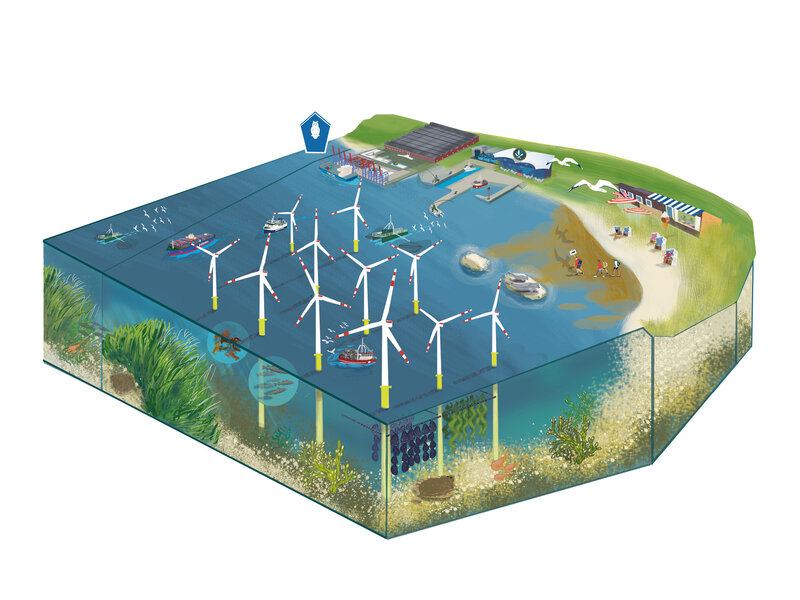
German cutter and coastal fisheries are under pressure: dwindling fish stocks of commercially important species, high operating costs, competition for space at sea - many businesses are fighting for survival. Against the backdrop of this structural change , scientists from the Thünen Institute of Baltic Sea Fisheries, the Institute of Sea Fisheries and the Institute of Fisheries Ecology have analysed a vision for the fisheries of the future in detail. The vision was based on the „Future Workshop Coastal Fisheries 2024“, in which managers from fisheries, fisheries science, marine spatial planning, recreational fishing, coastal communities, the fish trade and nature conservation identified nine key areas for the future - including training, technology, direct marketing, aquaculture and fleet structure.
In the study now published in the ICES Journal of Marine Science, the authors analyse the current state of science on the target vision - and outline how fisheries can be integrated into the future use of marine space. The researchers show which elements of the future fields could be implemented in practice and which of them will remain utopian (for the time being). The contribution is a strong signal: the three Thünen Fisheries Institutes are working together strategically to create scientifically sound future prospects for economically, socially and ecologically sustainable fisheries.
Dr. Fanny Barz and Dr. Tobias Lasner, as conceiving authors, would like to thank all participants of the Future Workshop for their commitment to the development of the objectives and all Thünen colleagues involved for contributing their expertise to the scientific classification of the objectives!