Expertise
Water deficiency – Forests in danger?
Marco Natkhin, Tanja Sanders | 26.02.2025
During dry periods in spring the forest thirsts. Does this drought cause any damage at that time? We know that the tree species show different adaptations to drought.
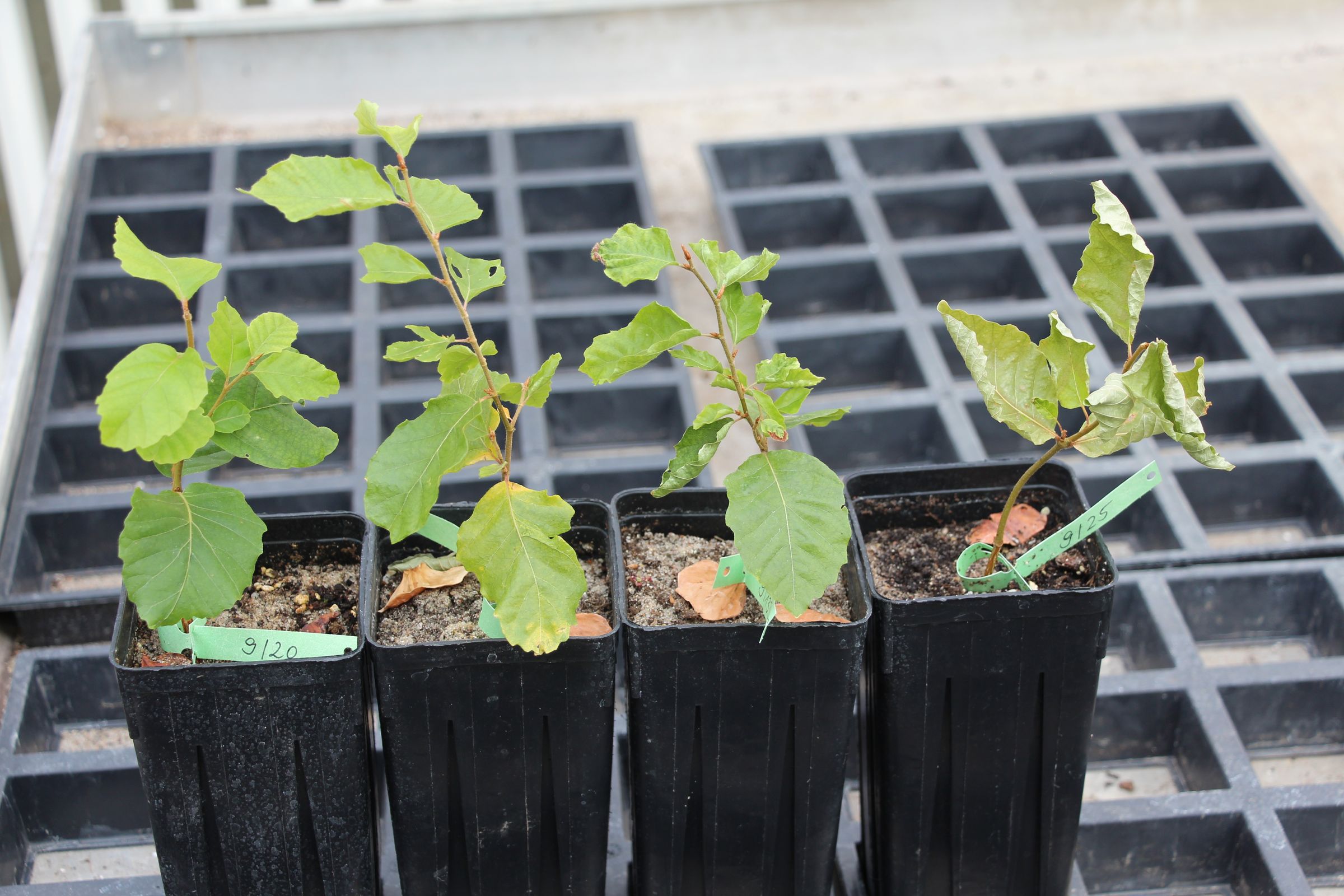
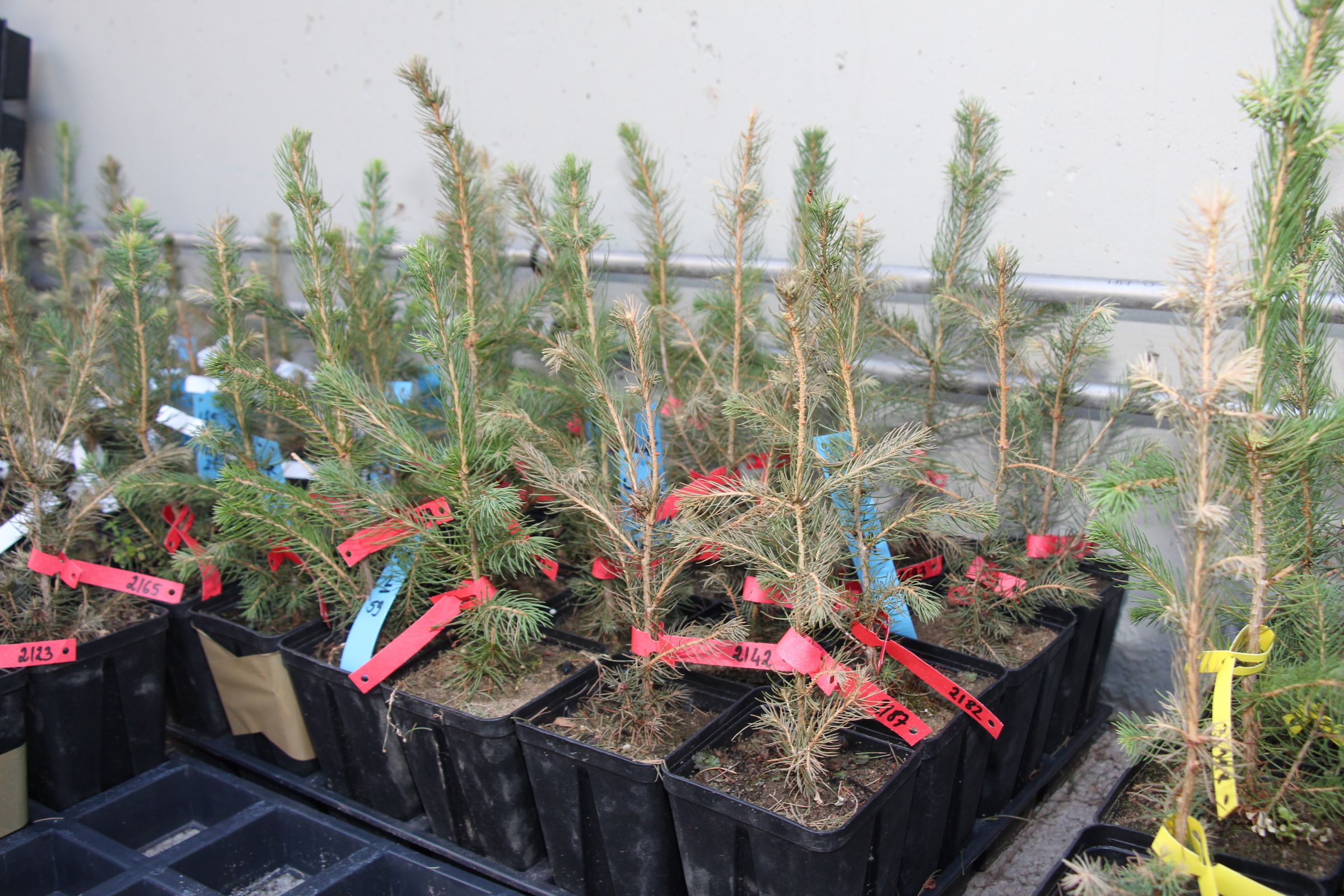
Water shortages occur when plants need more water than is available in the soil. The vital functions are restricted and pests can attack weakened trees more easily. The plants, the soil and the meteorological conditions interact with each other. At the Thünen Institute, we identify regions with a current and potentially future increased risk of water shortage. The use of models helps to understand how drought and decreasing soil water affect plants.
During a spring drought, which is typical for Brandenburg, the forest is thirsty. Does this drought harm it at this time? How long can it tolerate this drought? We know that tree species are adapted to drought in different ways. However, there is still a need for research into the question of how high the growth losses are in the event of prolonged drought or several dry years in succession and at what point trees can no longer recover from the drought
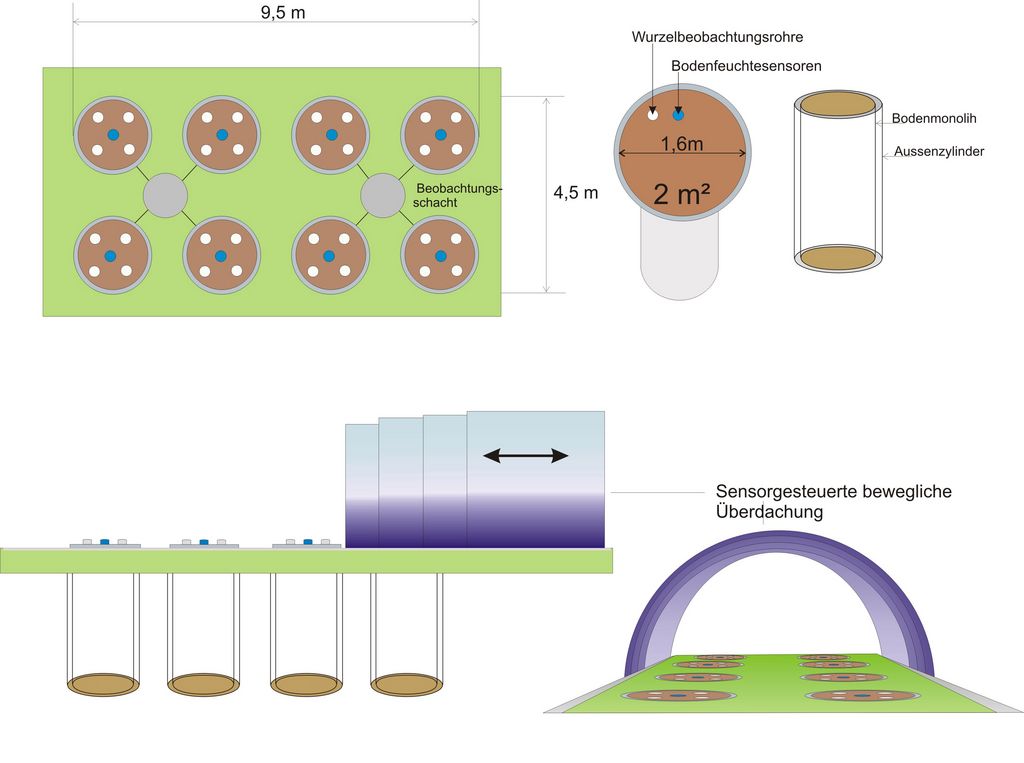
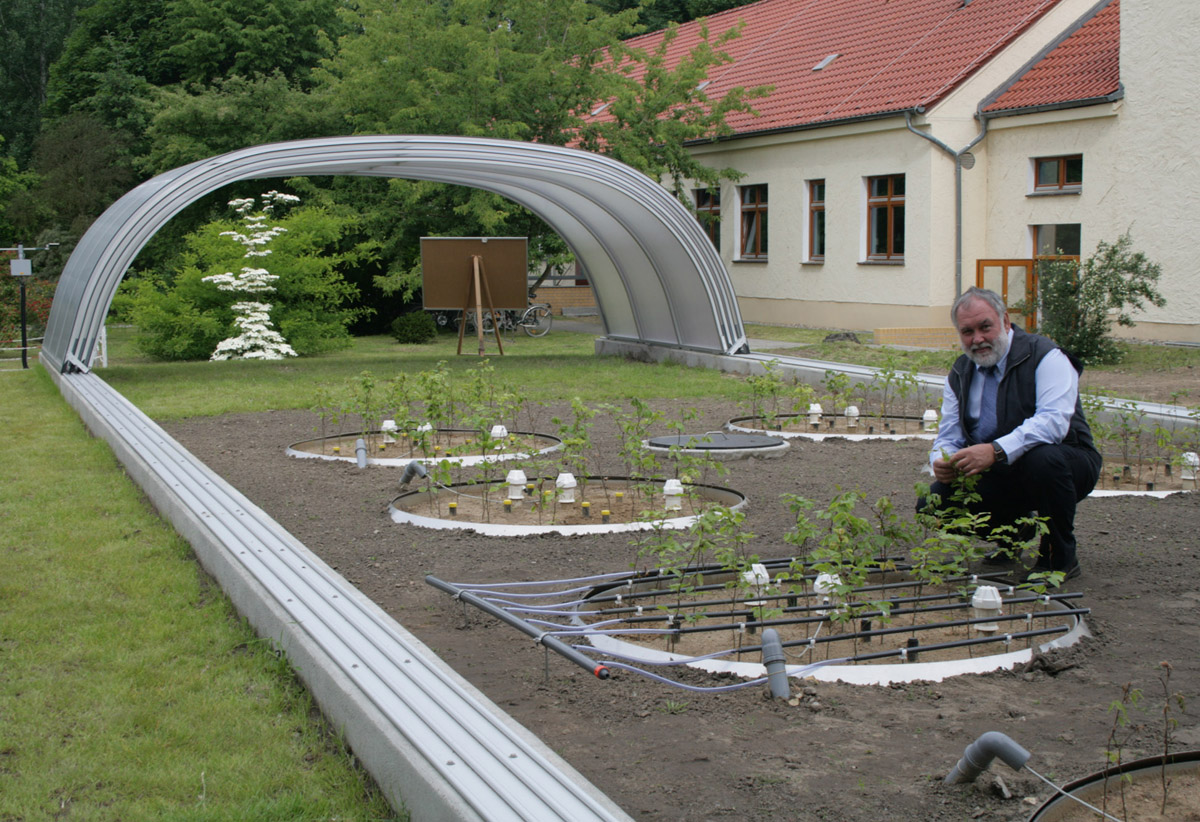
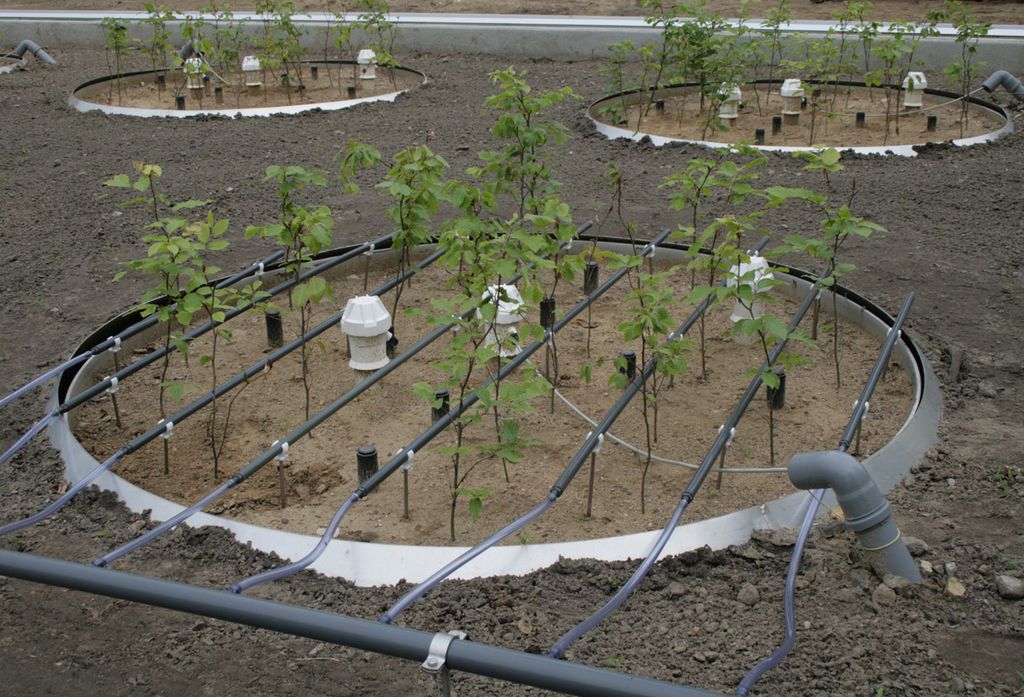
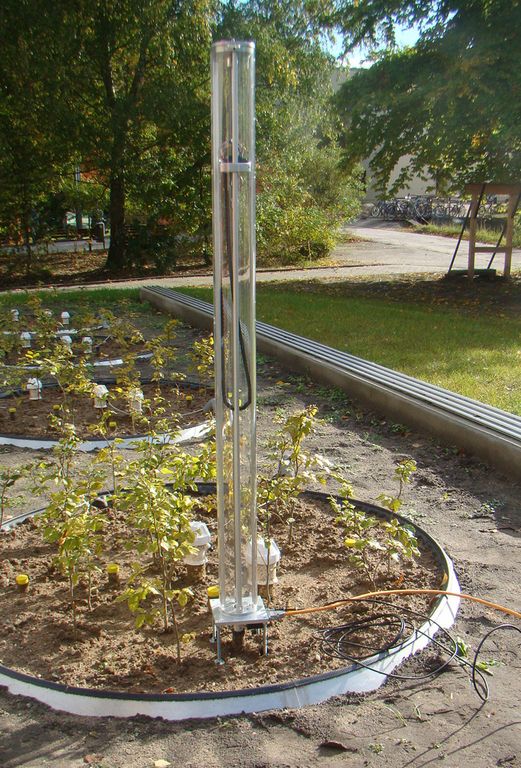
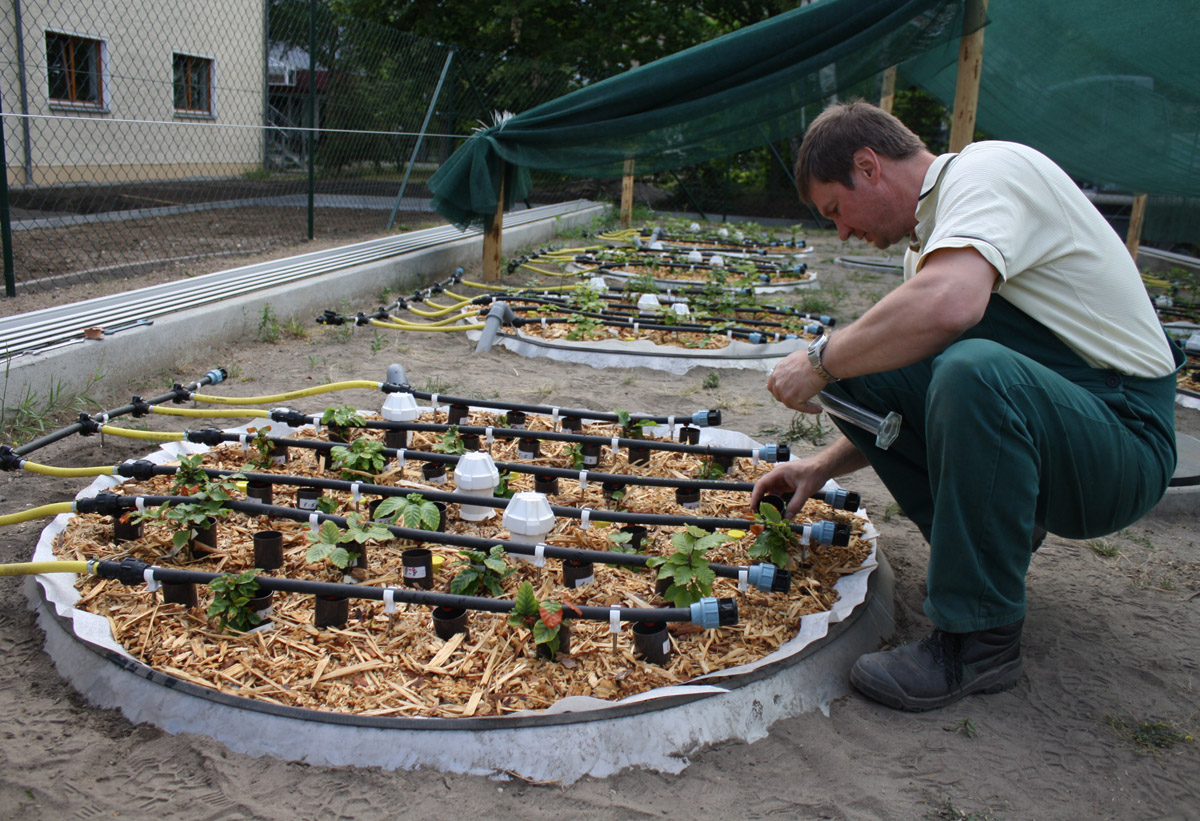
Young trees are particularly sensitive to drought as their roots are not yet able to reach the deeper soil water reserves. This is why they are the focus of our experiments. In a covered outdoor laboratory (Drylab) with eight lysimeters, we are investigating the drought sensitivity of young trees under controlled conditions and deriving indicators for critical drought stress.
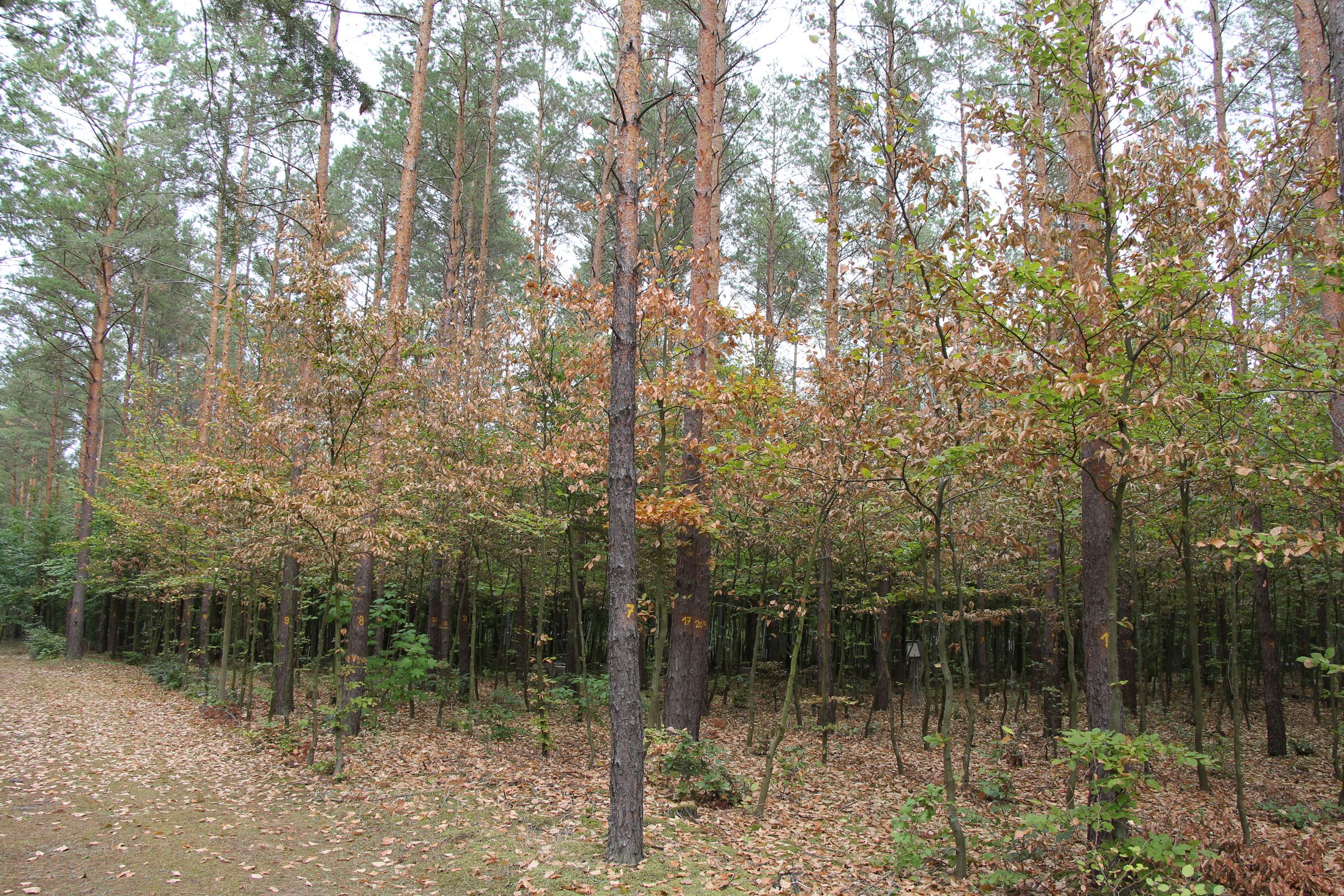
In the case of larger trees, growth and thus wood growth play a key role in potential yields. At the Thünen Institute, we use tree ring analysis to derive the annual ring width of the trees, from which the changes in growth in the individual years are derived. Using statistical approaches, we can link these to the weather conditions. This allows us to estimate how the individual tree species or origins will behave in the event of climate change, i.e. whether the trees can still grow optimally or whether other trees are better suited to the respective locations. How high the growth losses are in the event of prolonged drought or several dry years in succession is a research question that is becoming increasingly relevant in the context of climate change.
While agriculture, with its annual crops, can adapt relatively quickly to drought, the forestry industry expects planning periods of 100 years or more. Decisions have to be made today that will affect the appearance of the forest of the future. The task of research is to recognise drought-related risks in forestry and to identify possible options for action. Recommendations for adapting production systems, such as the choice of tree species and origin, can be derived from this.