Braunschweig (December 15, 2025). How can greenhouse gases from agriculture be further reduced? What role do nutrition, new crop varieties, changes in animal husbandry, and peat substitutes play in this? How can carbon storage in soil, hedges, and forests be strengthened? These are research questions that scientists have been investigating over the past three years as part of the RessortForschtKlima consortium. On behalf of the Federal Ministry of Food, Agriculture, and Rural Affairs (BMLEH) and funded by the Climate Protection Emergency Program, 27 research projects were launched in 2022 at the Julius Kühn Institute (JKI), the Friedrich Loeffler Institute (FLI), the Max Rubner Institute (MRI), and the Johann Heinrich von Thünen Institute in 2022 to gain new insights into climate protection in Germany in the areas of agriculture, forestry, and nutrition. At the end of the project period, the researchers are now presenting the activities and results of the RessortForschtKlima projects in a compact and uniform report.
Diversity in research brings new approaches
Almost a quarter of total emissions in Germany can be attributed to the food system, including nine percent from agriculture. In addition, land use, land use change, and forestry (LULUCF) have evolved from a carbon sink to a source of emissions in recent years. For Germany to achieve its declared goal of climate neutrality by 2045, additional efforts are needed, including in research. Scientists from the four departmental research institutes have therefore addressed the following questions in a cross-institutional and interdisciplinary manner:
• How can the cultivation, storage, and processing of crops be improved and eating habits changed in such a way as to reduce the carbon footprint?
• How does breeding progress contribute to reducing the carbon footprint of plant production? To what extent do improved, i.e., high-yielding, stress-tolerant, and nitrogen-efficient varieties help to reduce greenhouse gas emissions?
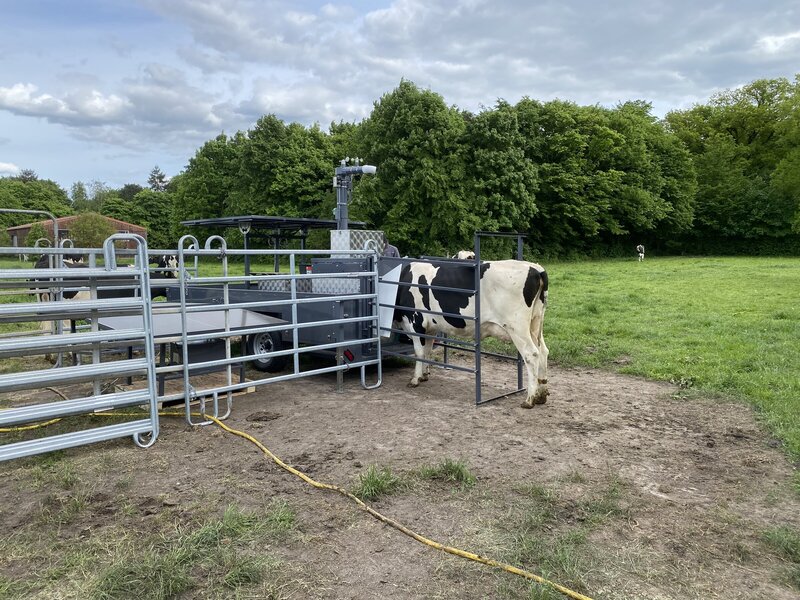
• How can methane emissions from dairy cows be reduced through sustainable feeding systems using co-products from food processing? What role do genetics and native forage legumes play?
• How do animal and plant health affect the greenhouse gas balance?
• How can nitrogen use efficiency be further increased despite increasingly extreme weather conditions? How sensitive are different crops?
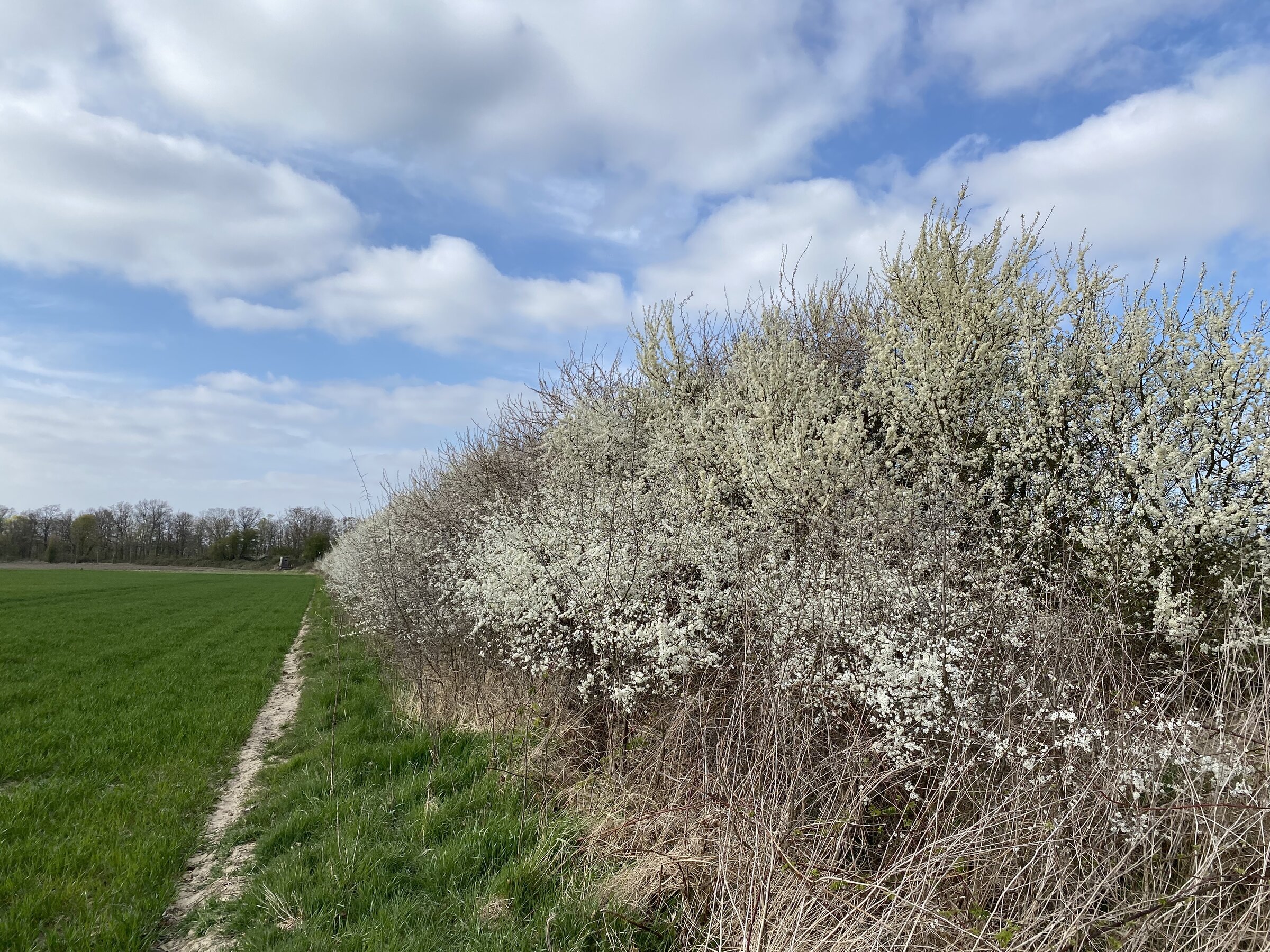
• How can the carbon storage capacity of agricultural soils be improved? What contribution can deep-rooted arable crops, optimized crop rotations with more catch crops, and the planting of hedges make?
• How can carbon sequestration and storage in tree biomass – in hedges, urban trees, and forests – be determined and positively influenced?
• How can raising the water level in peatland sites and adapting land use, including new value chains, contribute to climate protection? What is the potential of using wood fibers as a climate-friendly peat substitute?
• How important is it to involve stakeholders from agriculture and forestry as well as consumers in the development and implementation of climate protection measures? What are the costs of increased climate protection and what incentives are there?
• How can satellite-based remote sensing be used to further improve greenhouse gas reporting and document the effectiveness of climate protection measures?
RessortForschtKlima has yielded new insights into reducing greenhouse gas emissions and increasing carbon storage in soils and forests, as well as along the value chain, including food. In addition to solutions in the form of innovative climate protection measures, the projects contribute to scientific impact assessment, the further development of climate reporting, and socio-economic issues. Innovative solutions have been identified and developed in areas ranging from breeding, cultivation, and improved land use to storage, processing, and consumption. These include, for example, the introduction of reusable wine bottles, ways to rewet peatlands, their restoration or wet use, adapted forest management and new hedges to increase carbon storage, the involvement of consumers in the transformation to a climate-friendly diet, adapted feeding in dairy farming, and the use of local feed. These project ideas not only protect the climate, but also take social needs into account.