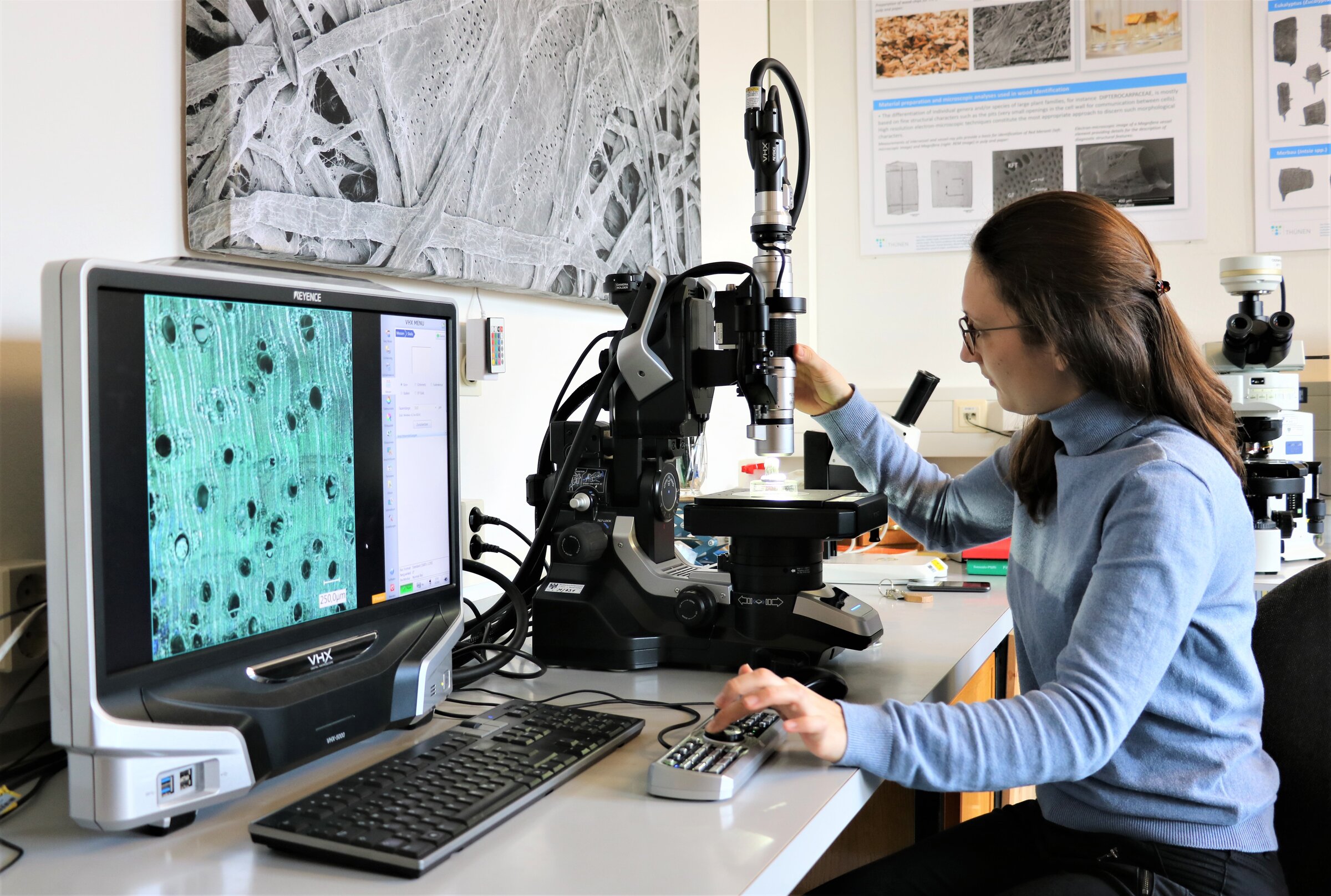

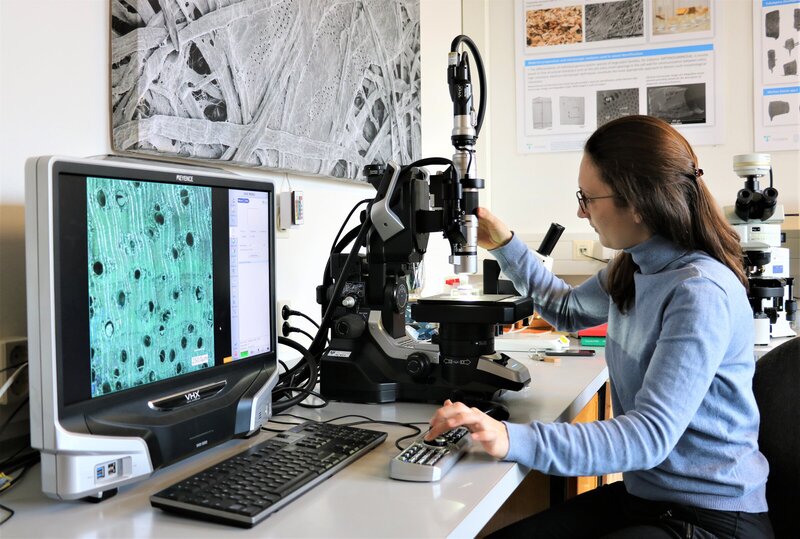
Hamburg, 10 February 2026. Global demand for charcoal is increasing. To make it easier to determine the origin of the wood in the context of the EUDR, the Thünen Centre of Competence on the Origin of Timber in Hamburg has developed a “Charcoal Atlas.” The atlas serves as a scientific basis for the anatomical identification of wood species in charcoal and briquettes. It is intended in particular to assist inspectors in reliably determining the legal origin and conformity of relevant products on the European market.
If briquettes and charcoal originate from subtropical or tropical regions, this is associated with a risk of illegal deforestation, which in turn threatens species and harms the environment. For this reason, charcoal has been included within the scope of the EU Regulation on deforestation-free products (EUDR, Regulation (EU) 2023/1115). With this measure, the European Union is responding to negative developments in the charcoal sector and will in future require companies to meet comprehensive due-diligence obligations along their supply chains.
Published as a Thünen Report, the atlas comprises photographs of microscopic images of 34 wood species from different climatic regions. High-resolution images of various structural features are presented. The report describes and evaluates how wood tissue changes during the carbonization process and how preparation and microscopy techniques need to be adapted accordingly.
In addition, the internationally established IAWA (International Association of Wood Anatomists) feature list for hardwoods has been transferred to carbonized material and supplemented with illustrative images. The atlas also contains important information on how wood changes in shape and size when carbonized. Furthermore, it provides an overview of anatomical features that can only be observed to a limited extent -or not at all- in carbonized wood.
The Charcoal Atlas is intended to help avoid misidentifications and to enable more reliable identification of wood species at the genus and species level than previously possible. This contributes to the legally robust implementation of the European Deforestation Regulation.