

Hamburg, Braunschweig (17 February 2026). The new Information and Coordination Centre for Fisheries Transformation (IKTF) is commencing operations with an office in Hamburg's HafenCity. As a central point of contact, the IKTF supports the structural change of German coastal fisheries in the North Sea and Baltic Sea. The aim is to help the sector become economically viable and ecologically sustainable in the long term. It connects fishermen and women with politicians, administrators and scientists, as well as stakeholders from business and civil society, communicates support programmes, identifies opportunities for adaptation and promotes practical innovations. The IKTF works on behalf of the Federal Ministry of Agriculture, Food and Regional Identity (BMLEH) and is based at the Thünen Institute. On 13 March, the IKTF is inviting all those involved in the transformation to the opening conference in Hamburg.
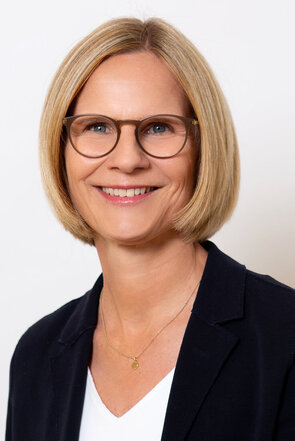
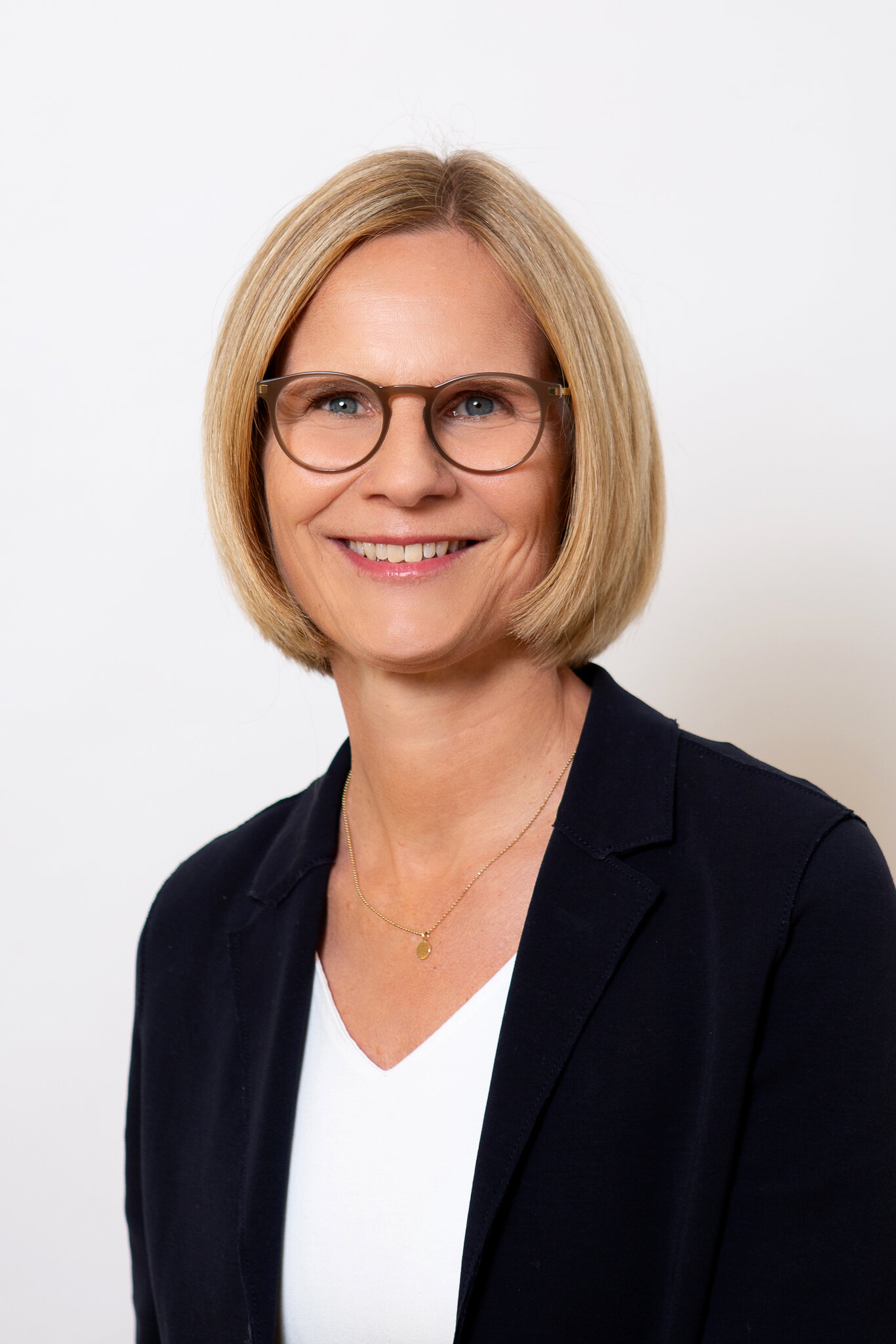
"The transformation of fisheries requires support from a wide range of areas, from the maritime economy to science. This is a major challenge, but also an opportunity," says Birgit Kleinschmit, President of the Thünen Institute. "At the Thünen Institute, we combine scientific expertise, many years of knowledge of fisheries and direct exchange with politics and business. As an independent federal research institute, we aim to develop concrete solutions together with stakeholders to support coastal fisheries that operate successfully in harmony with the natural marine habitats and can adapt flexibly to future challenges."
Poor environmental conditions in the Baltic Sea, competition for fishing grounds in the North Sea
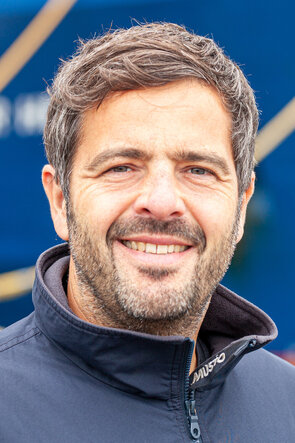
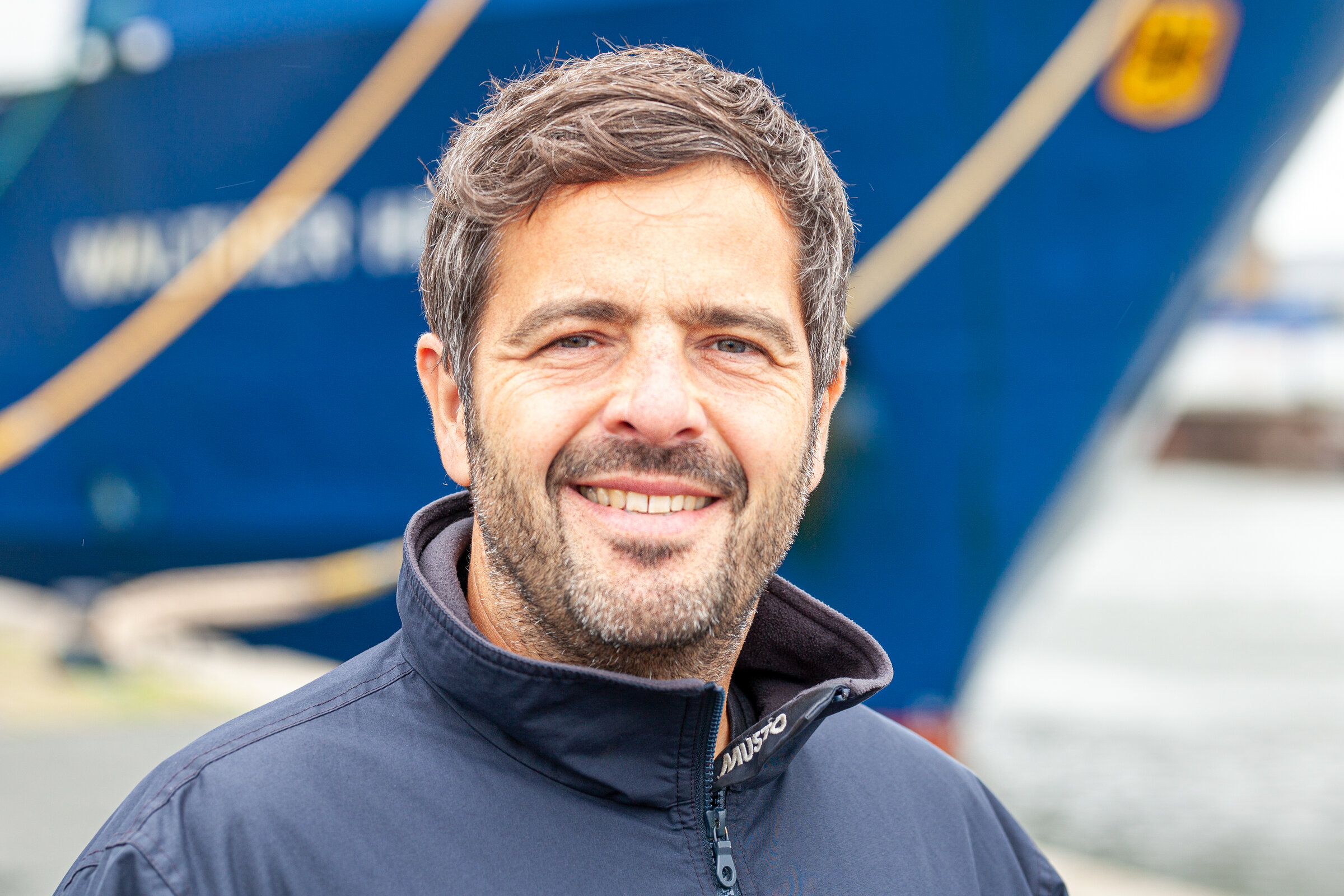
German coastal fisheries face a variety of challenges: In the Baltic Sea, fish stocks such as cod and herring are suffering from poor environmental conditions, while in the North Sea, competition for scarce fishing grounds is growing, for example due to the expansion of offshore wind energy and new protected areas. In addition, the fleet is outdated in many places, there is a lack of young talent, and more and more businesses are having to give up. On the other hand, German coastal fishing is of central importance to the region. "Fishing has shaped the culture of the coast for centuries, creating an attractive living environment for residents and tourists and providing high-quality food that is sourced regionally," says Daniel Schneider, head of the IKTF.
Against this backdrop, the IKTF supports structural change as a consulting institution, information exchange, network and source of inspiration. In doing so, it also considers the potential of alternative economic sectors, such as marine aquaculture and recreational fishing, and works closely with the Thünen Institutes of Sea Fisheries in Bremerhaven and Baltic Sea Fisheries in Rostock, as well as other research institutions. For example, it provides information on innovation projects such as the "fishing boats of the future", which will be equipped with climate-neutral propulsion systems, among other things. Other priorities include promoting sustainable fishing techniques, recruiting young talent and diversifying fisheries, for example by collecting marine data on behalf of science, ranger activities or tourist trips. This could also open up alternative income opportunities for coastal businesses. Through focus groups, conferences and workshops, the IKTF promotes the exchange of experience between science and practice and actively involves fishermen and fisherwomen in research projects. "We want to make the profession attractive to young people again. This means that you can make a reliable living from fishing, have secure prospects for the future and at the same time take responsibility for the preservation of the oceans," says Daniel Schneider.
The work of the Information and Coordination Centre for Fisheries Transformation is based on the recommendations of the Future Commission on Fisheries (ZKF). Among other things, the commission recommended closer integration of fisheries and nature conservation, socially acceptable adjustment of fleet capacities, improved data bases and dialogue formats for jointly shaping the transformation.