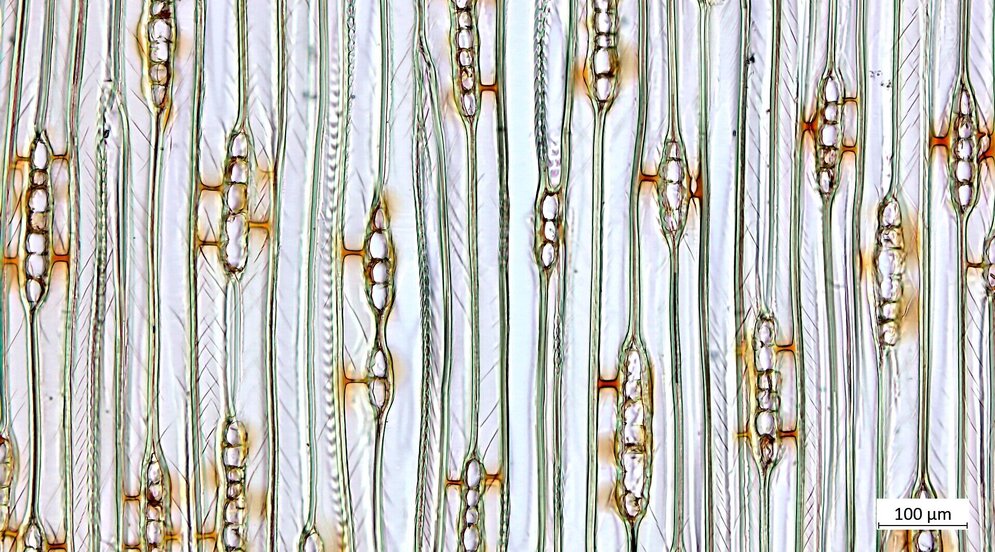

Munich/Hamburg. Sometimes science is like an adventure trip: tomorrow, an exhibition of carvings by New Zealand's Māori people will open in Munich. Beforehand, it was necessary to check whether the valuable ritual objects were actually genuine. Gerald Koch and Immo Heinz from the Thünen Centre of Competence on the Origin of Timber investigated this on behalf of the Five Continents Museum.
For the Māori people, wood is more than just a material: in indigenous culture, many carvings are considered to be animated and form a connection to deceased ancestors. However, there are numerous fakes circulating in the art trade. Out of respect for these valuable cultural assets, the Munich museum used historical photos and documents to reconstruct the route the works took to Europe. The wood analyses carried out by the Thünen Institute provided an important piece of the puzzle in clarifying the origin of the carvings.
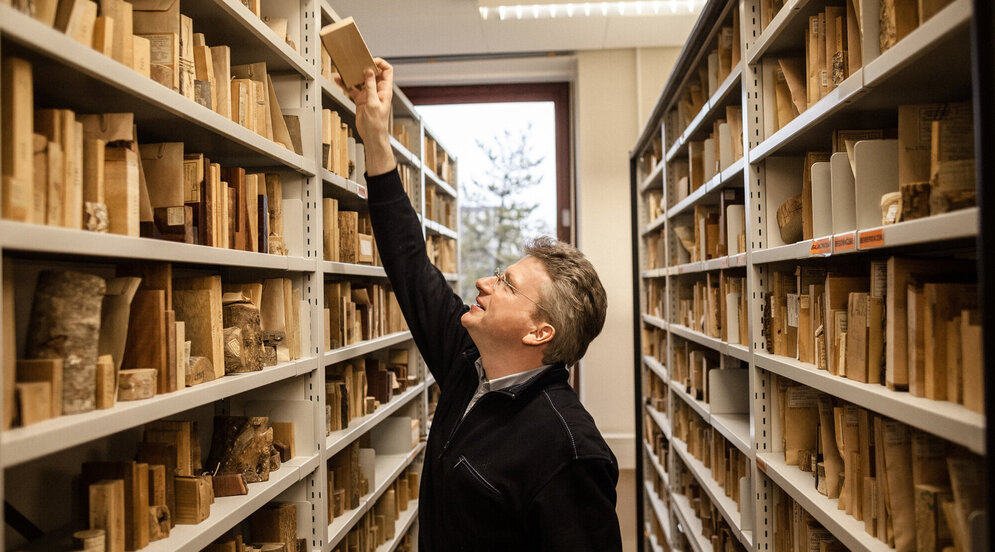
"Holding specimens of these works of art in our hands was something very special for us. Everyone put their heart and soul into this project", says Gerald Koch, head of the scientific wood collection at the Thünen Institute.