Project
KliBaTBN
Farm-level greenhouse gas emissions calculation for arable farms based on German FADN data (KliBaTBN)
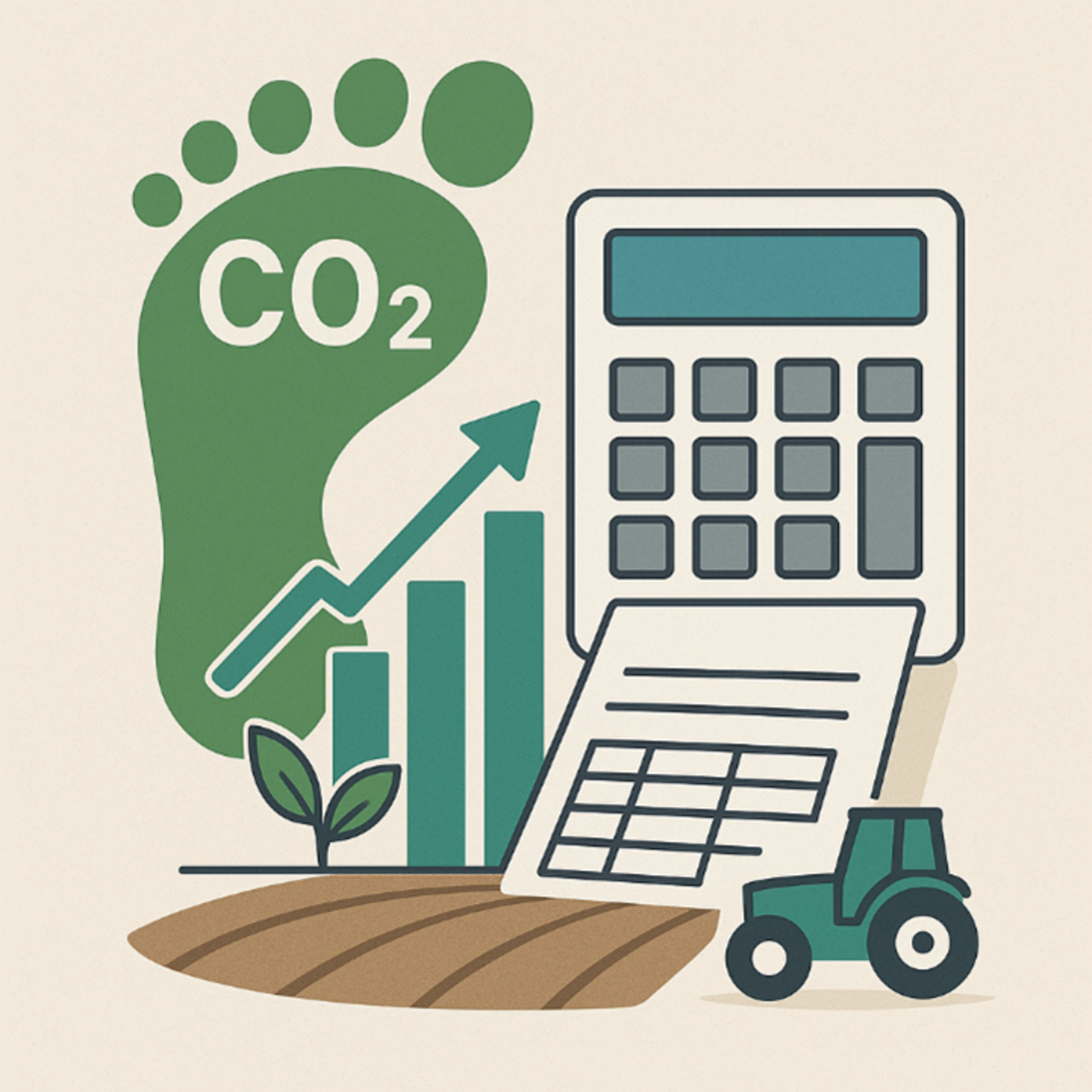
GHG accounting is becoming increasingly important for farmers and for food processors to account for their upstream emissions. It enables farmers to calculate their GHG footprint and demonstrate their commitments to sustainable farming practices. This assessment is of interest not only to companies in the food industry, but also to banks in the context of sustainable financing. However, the current lack of harmonised accounting frameworks and standardised data leads to problems with the comparability of results and transparency of emissions calculations. Above all, discrepancies between the various accounting approaches are due to differences in the definition of system boundaries and allocation rules for emissions to products.
Background and Objective
The German FADN provides information on costs and income as well as on yield volumes, livestock numbers and inventories. In addition, the recording of fertilizer use and its respective nitrogen content has improved considerably in recent years, mainly due to the introduction of digital accounting and nutrient management systems. These systems are a key factor in GHG emissions in crop production, so optimized management is an important factor for reducing agricultural GHG emissions for arable farms. This study aims to investigate the extent to which German FADN data is suitable as a comprehensive and reliable data basis for farm-level GHG accounting and to what extent it can contribute to the establishment of standardised databases.
Target Group
Approach
To calculate greenhouse gas (GHG) emissions for arable farms in northern Germany, accountancy data from German FADN is combined with the methodology developed as part of the "AgriGHG Tool". This allows for transparent and comparable estimation of GHG emissions such as CO₂, CH₄, and N₂O using model-based approaches. The Py-GAS-EM model complies with national emission reporting guidelines for German agriculture and aligns with the requirements of the GHG Protocol and the international guidelines of the UNFCCC. The model is designed to capture farm-level emissions (scope 1), considering all relevant sub-sources such as soil, plants and animal husbandry. Farm-level results can then be computed as whole-farm emissions or emissions per kg milk or cereal unit
Data and Methods
- Analysis of existing literature
- Calculating GHG balances for selected arable farms in northern Germany by linking activity data and fertiliser use from German FADN data to the Py-GAS-EM model via the AgriGHG tool interface.
- Evaluation of GHG-relevant emissions based on selected economic indicators
- Validation of the results through case studies in Schleswig-Holstein
- Assessing the usage of German FADN data for farm-level GHG emissions calculation
Our Research Questions
- Can annual farm accountancy data be used for standardised GHG accounting for arable farms?
- What information is missing from the German FADN and are standard factors useful for missing these data gaps?
- What additional information is needed for GHG accounting, and will the European Commission's Farm Sustainability Data Network (FSDN) fill these data gaps?
- What are the GHG balances of arable farms in northern Germany, and which farm structures indicate climate-friendly farming practices?
Thünen-Contact

Involved Thünen-Partners
Involved external Thünen-Partners
- Fachhochschule Kiel
(Kiel, Deutschland)
Funding Body
-
Landwirtschaftliche Rentenbank
(national, privat)
Duration
4.2025 - 5.2026
More Information
Project status:
ongoing