![[Translate to English:]](/media/_processed_/6/4/csm_titel_CO2Kampagne8_afeea2273e.png "[Translate to English:]")
![[Translate to English:]](/media/_processed_/4/1/csm_titel_93px_CO2Kampagne8_9b0f3354d4.png "[Translate to English:]")
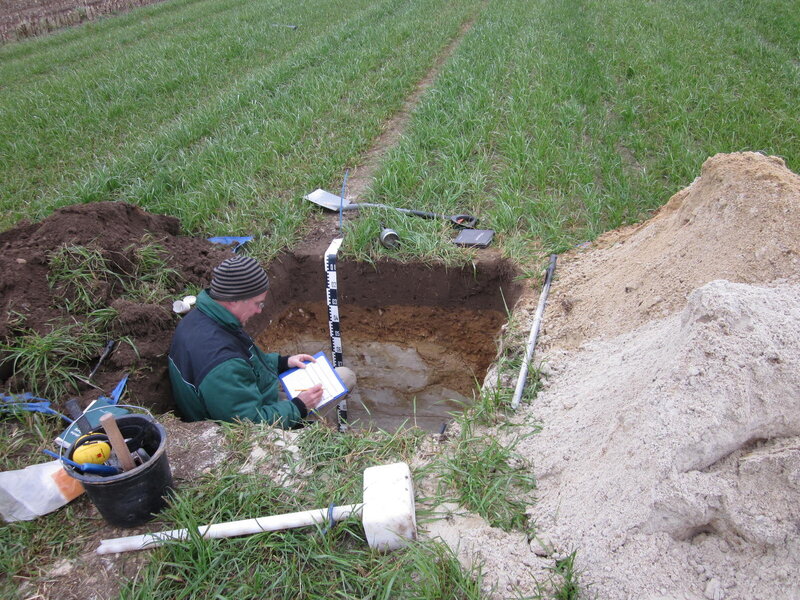
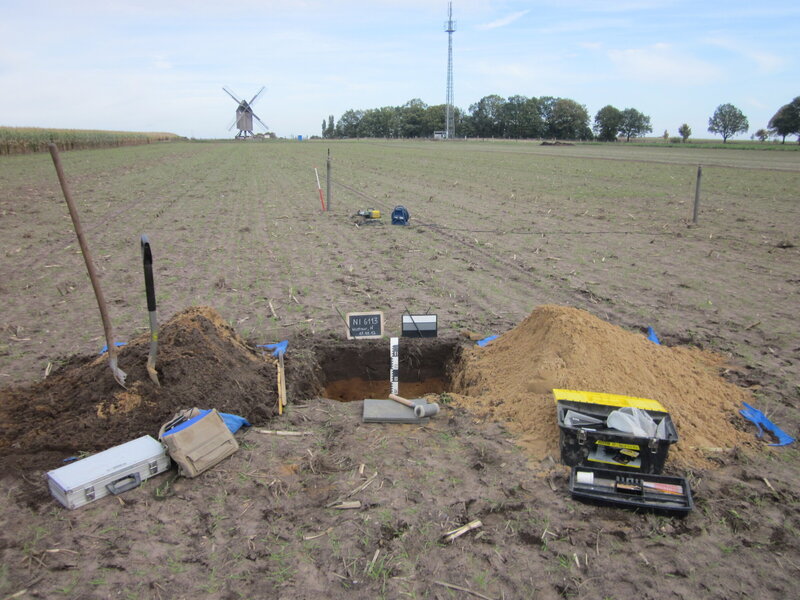
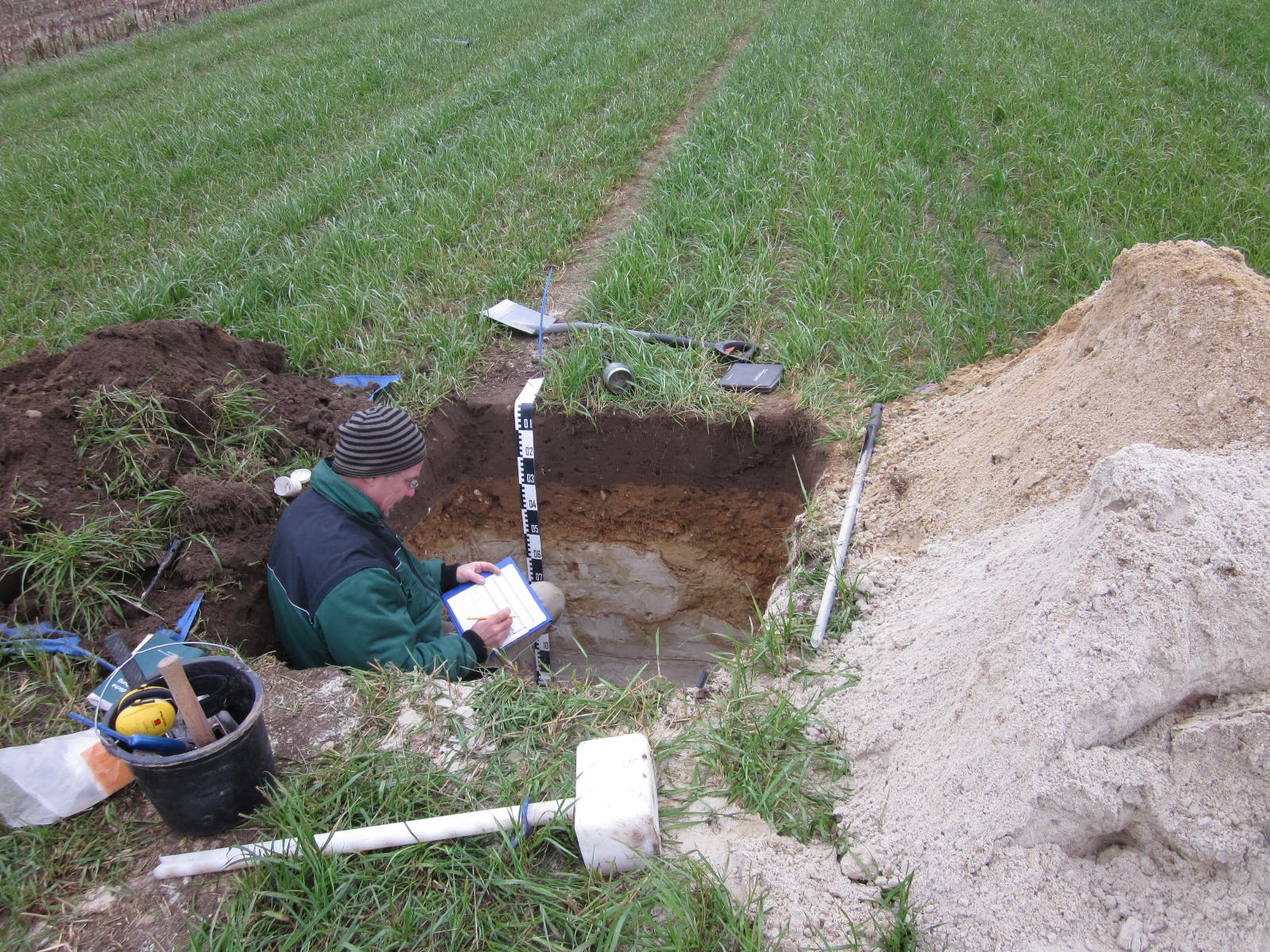
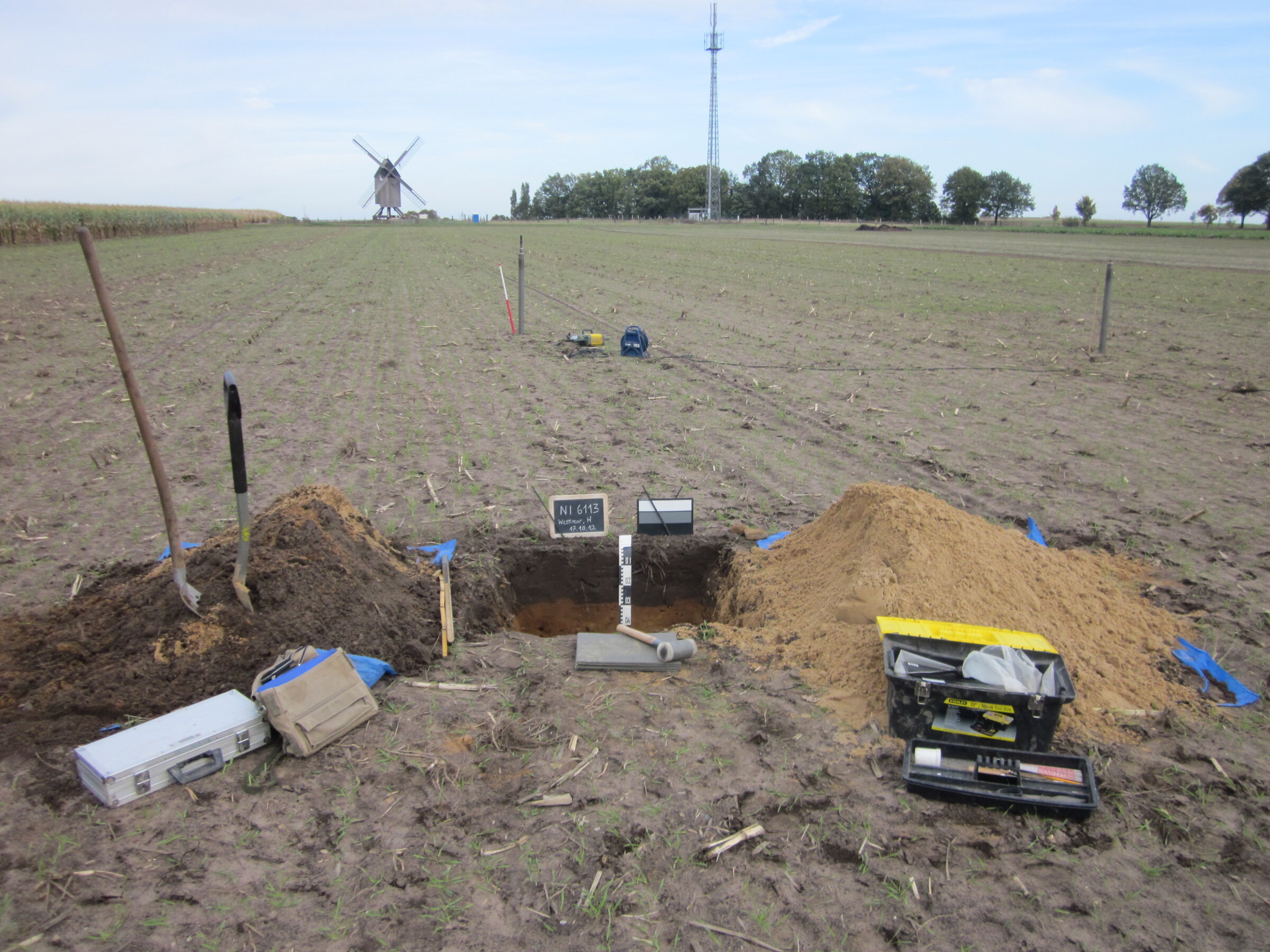
Braunschweig (1 December 2025). At first glance, it makes no difference to the soil carbon in arable soils whether the land is farmed conventionally or organically. The difference lies in the farming methods and resources used. This is the result of a recent study by the Thünen Institute of Climate-Smart Agriculture, which has now been published in the journal Geoderma. The carbon content of almost 3,000 arable fields sampled as part of the Agricultural Soil Inventory BZE-LW and the HumusClimateNetwork-Project was assessed. Site-specific differences in soil carbon were accounted using a model.
Previous findings on the effect of organic farming on soil carbon are mainly based on controlled field experiments. Until now, it was not known whether organic farming has the same effect on soil carbon in real practice. The new study do not confirm the results of the controlled experiments. The study examined the factors that influence carbon input into the soil: organic fertilisation, yield level, crop rotation and other management factors
- Organic fertilisation: The amount of organic fertilisation does not differ on average between organic and conventional farming systems. One third of the fields received no organic fertilisation at all.
- Yield level: The use of mineral fertilisers and chemical pesticides in conventional farming led to om average 30 % higher yields. The resulting harvest residues, such as roots, are important for soil carbon formation
- Crop rotation: In organic farming, so-called soil carbon-enhancing crops such as clover grass were incorporated into crop rotations at a rate of 39 %. On conventionally farmed fields, the rate was 11 %. There was little difference between the farming systems in terms of cover cropping.
According to lead author Dr. Axel Don, the study shows that the expected build-up of soil carbon through organic farming does not occur under current organic farming conditions as anticipated. "In organic farming, however, soil carbon is built up with far fewer negative environmental effects through soil carbon-promoting crop rotations. In conventional farming, soil carbon accrual is achieved primarily through fertilisation," says the soil carbon expert, summarising the results. At the same time, it is clear that there are different ways to build up carbon in the soil. "There are suitable measures in both, conventional and organic farming systems," says Axel Don. The carbon content is the key indicator for soil health. That is why it is particularly important to maintain and increase it.
How soil carbon is built up most efficiently and in the long term has not yet been fully understood. To close the knowledge gaps, the HumusKlimaNetz project was initiated. The network is a model and demonstration project on soil carbon formation and conservation, jointly coordinated by the German Association of Organic Farmers, Food Processors, and Retailers ( (BÖLW) and the German Farmers' Association (DBV). The Thünen Institute is responsible for the accompanying scientific research. The HumusKlimaNetz project is funded by the Federal Ministry of Agriculture, Food and Regional Identity (BMLEH). The project is managed by the Agency for Renewable Resources (FNR).