In focus
More hares doesn’t mean that everything is fine now
30 March 2026
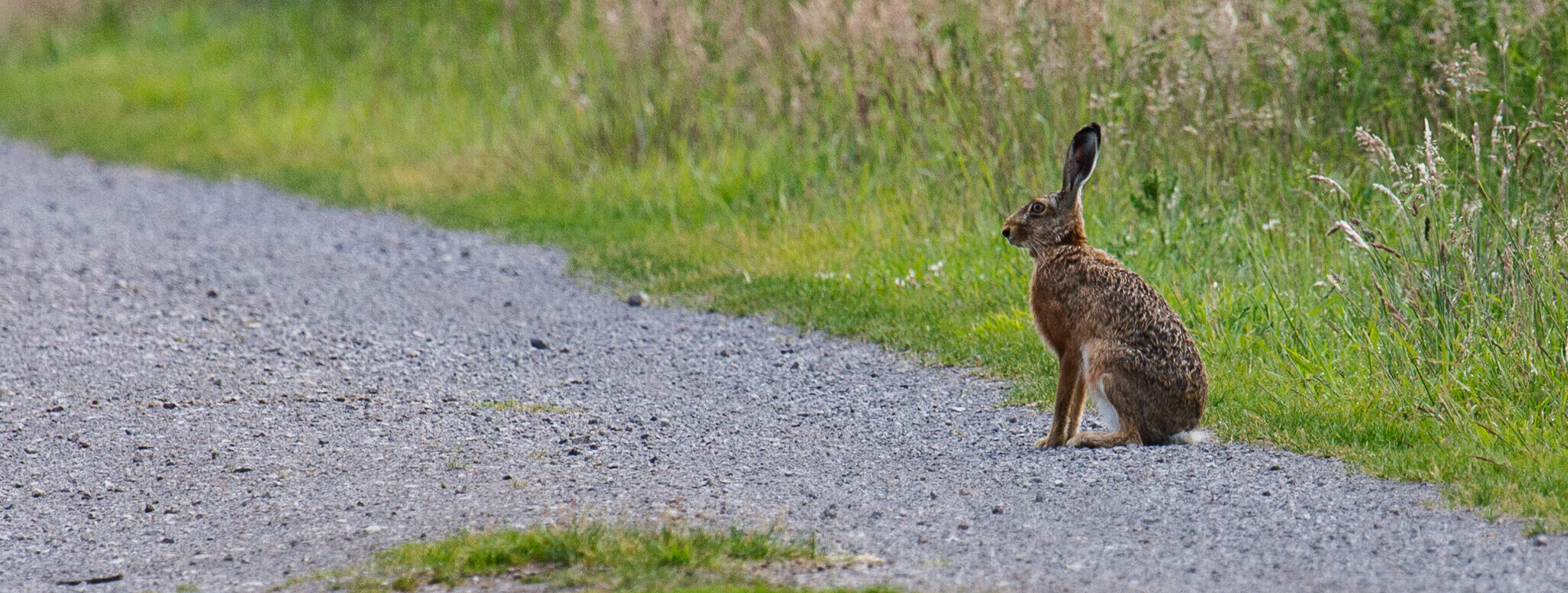
Positive trend: The brown hare populations in Germany have stabilised at a high level. The hares are benefiting from warmer, drier winters.
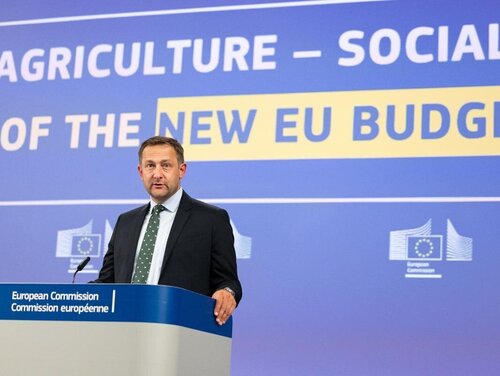
With the current proposals for the next funding period, the EU could radically reshape its rural development policy. In an article for the journal EuroChoices, Stefan Becker has examined potential implications of these proposals.
![[Translate to English:]](/media/_processed_/0/b/csm_Kleine_Kuestenfischerei_Altwarp4_MV_KBarz_ab52ff5e1c.jpeg "Kleine Küstenfischer-Boote im Hafen.")
The German National Commission for UNESCO has designated small-scale coastal fishing in the Baltic Sea and the Bodden waters of Mecklenburg-Western Pomerania as intangible cultural heritage. This recognition honours traditional craftsmanship and the way it helps to shape local identity.
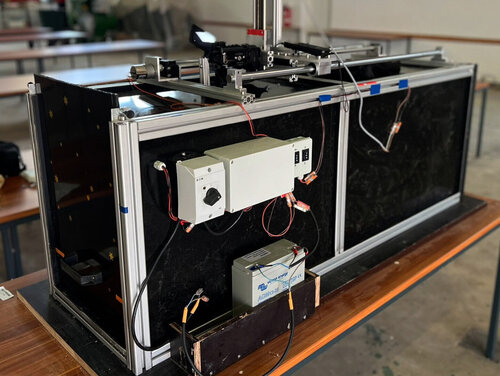
Deep roots are crucial for climate-resilient agriculture. Until now, researching them has been a laborious process: the roots had to be washed and counted by hand. A new technique developed at the Thünen Institute of Climate-Smart Agriculture will make this easier in the future.
The Thünen Institute.
Research and policy advice on rural areas, agriculture, forests and fisheries.
As a research institute in the portfolio of the Federal Ministry of Agriculture, Food and Regional Identity (BMLEH), we work at the interface of science, politics and society.
- 1 180
Employees, 651 of them scientists
- 15
Institutes conduct research in the fields of rural areas, agriculture, forestry and fisheries
- 1 041
Lectures in 2025
- 895
Publications in 2025
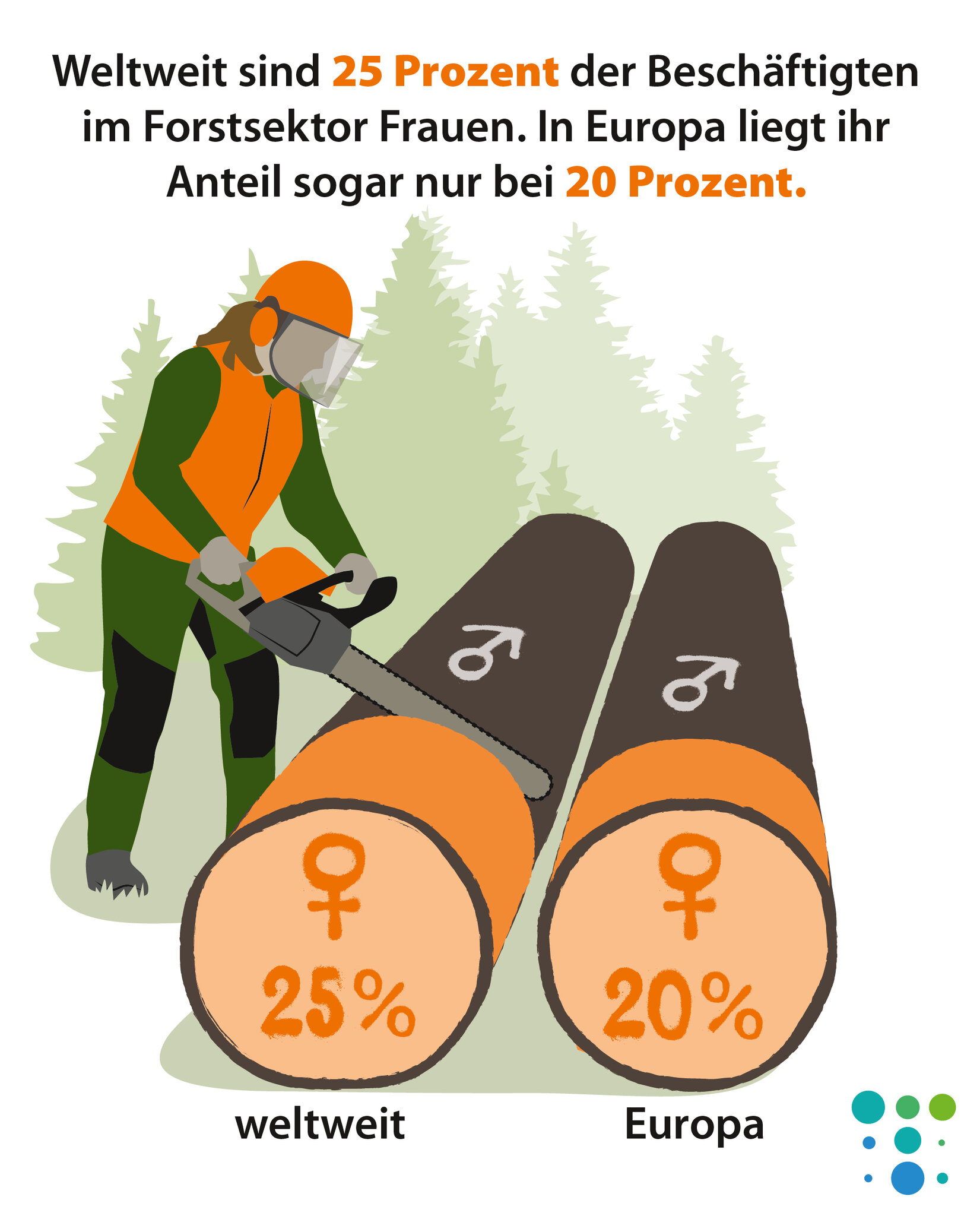
KnowledgeSnack
The gender gap in the forestry sector. Only one in four people in the global forestry sector is a woman. The gender gap in the sector is widest in Europe. This is shown by new estimates that researchers have now presented for the first time at a global level. The findings are based on a new modelling approach in which the Thünen Institute was also involved.
To Wissenschaft erleben (only in German)
New publications
- 0
Kammann UKR (2026) Cadmium in Fischen aus der Nord- und Ostsee (2024) [Datenpublikation]. 1 XLSX-Datei. Göttingen: OpenAgrar, DOI:10.3220/253-2026-55
- 1
Kammann UKR (2026) Blei in Fischen aus der Nord- und Ostsee (2024) [Datenpublikation]. 1 XLSX-Datei. Göttingen: OpenAgrar, DOI:10.3220/253-2026-54
- 2
Gabel M, Pohlmann J-D, Lindemeyer J, Aiya Subramani P, Koslowski H, Riemeier L, Gennaraki MA, Strehse JS, Maser E, Kammann UKR, Scharsack JP (2026) Long-term exposure of sticklebacks (Gasterosteus aculeatus L.) to environmentally relevant concentrations of the explosive trinitrotoluene (TNT) : [dataset] [Datenpublikation]. 1 XLSX file. Göttingen: OpenAgrar, DOI:10.3220/253-2026-53
- 3
Kuhnert H (2026) Wissenswertes zum ökologischen Landbau. Korrespondenz Wasserwirtschaft 19(3):133-137, DOI:10.3243/kwe2026.03.001
- 4
Kuhnert H (2026) Entwicklung des ökologischen Landbaus. Korrespondenz Wasserwirtschaft 19(3):138-141, DOI:10.3243/kwe2026.03.002