![[Translate to English:]](/media/_processed_/9/2/csm_Allgemein_Thueringen_Hainich_Mischwald_Bolte_2__19d9dab56a.jpg "[Translate to English:]")
![[Translate to English:]](/media/_processed_/d/2/csm_100_0001_0013_c05c63e7db.jpg "[Translate to English:]")
Field-Dry Laboratory
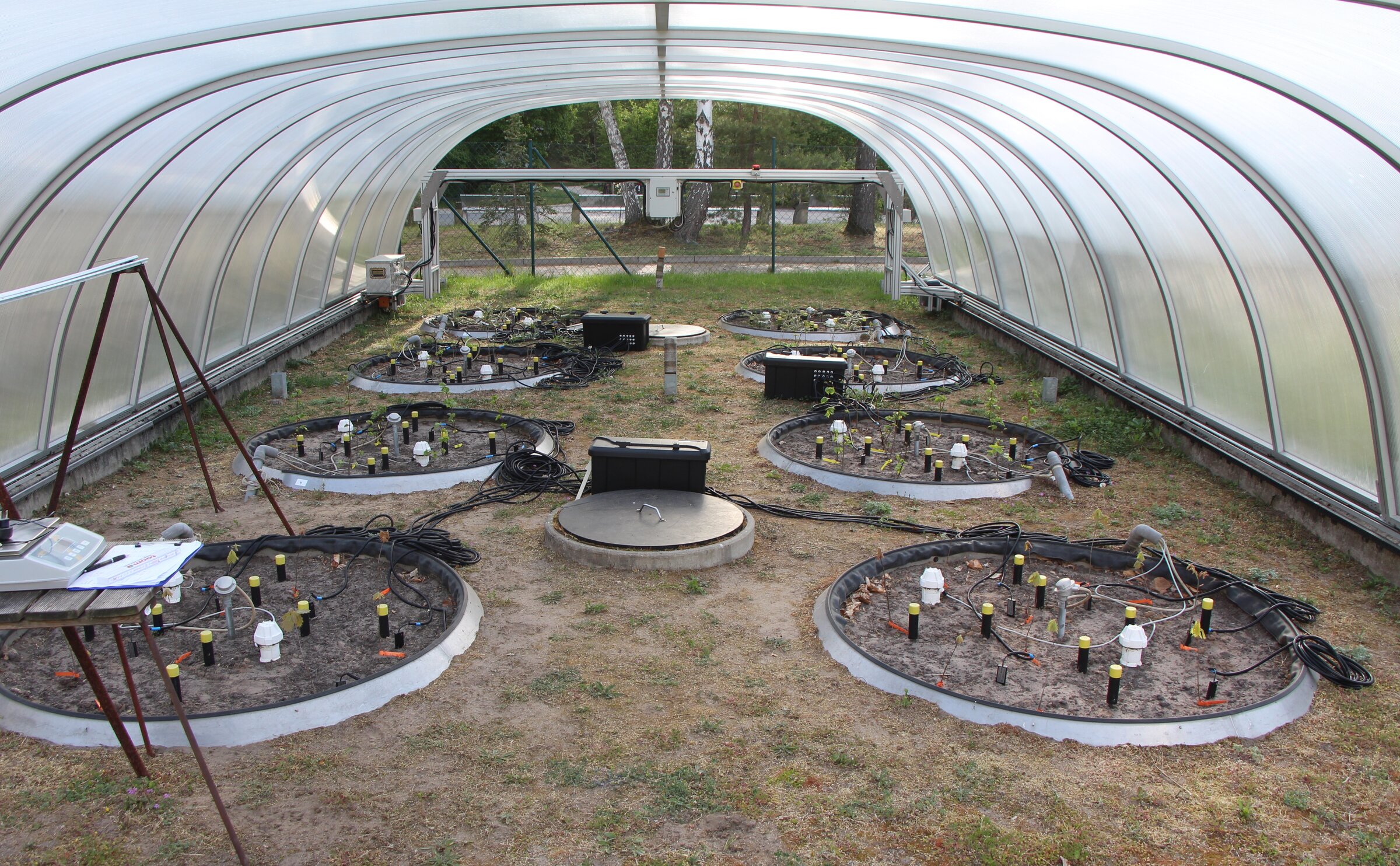
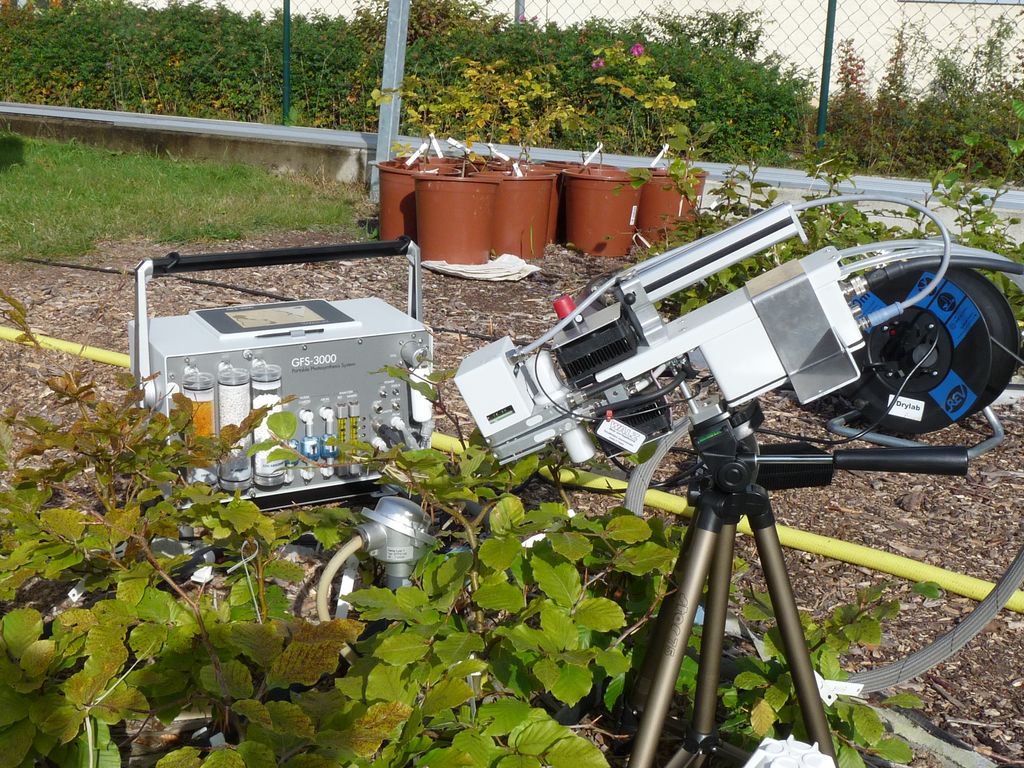
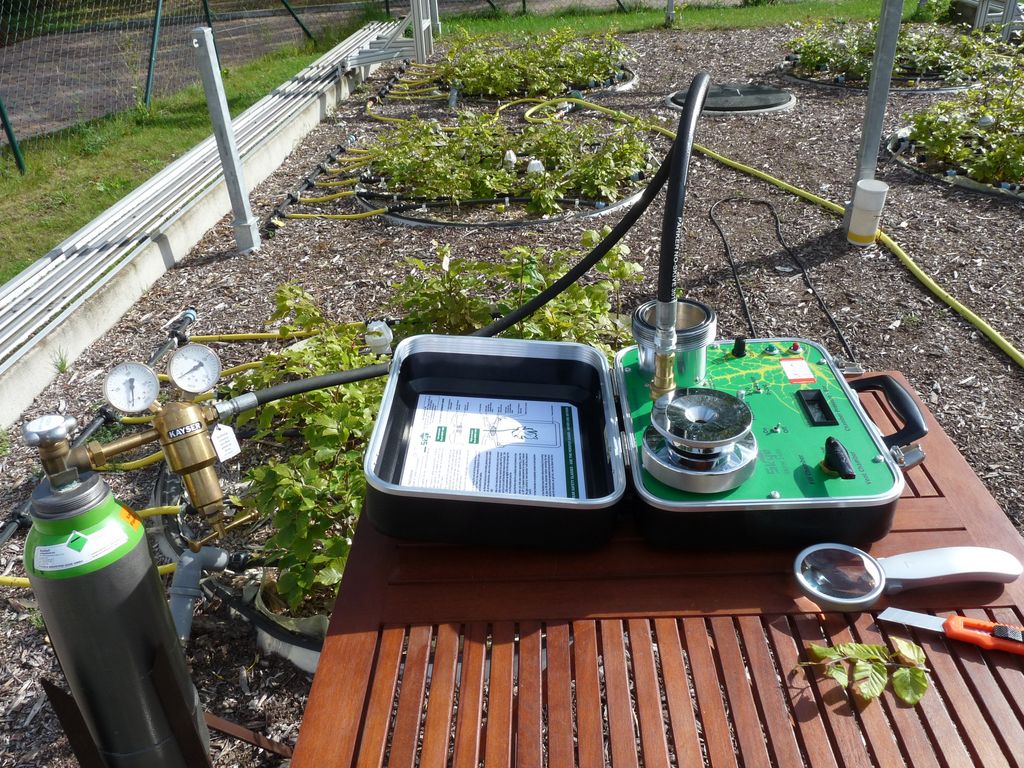
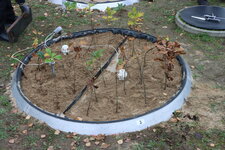
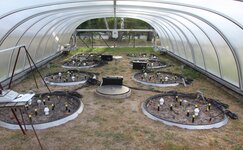
The Field-Dry Laboratory ("Drylab") is an experimental laboratory that can be used to study how young forest trees react to drought under field conditions. This allows us to simulate an important effect of climate change - increasing summer drought.
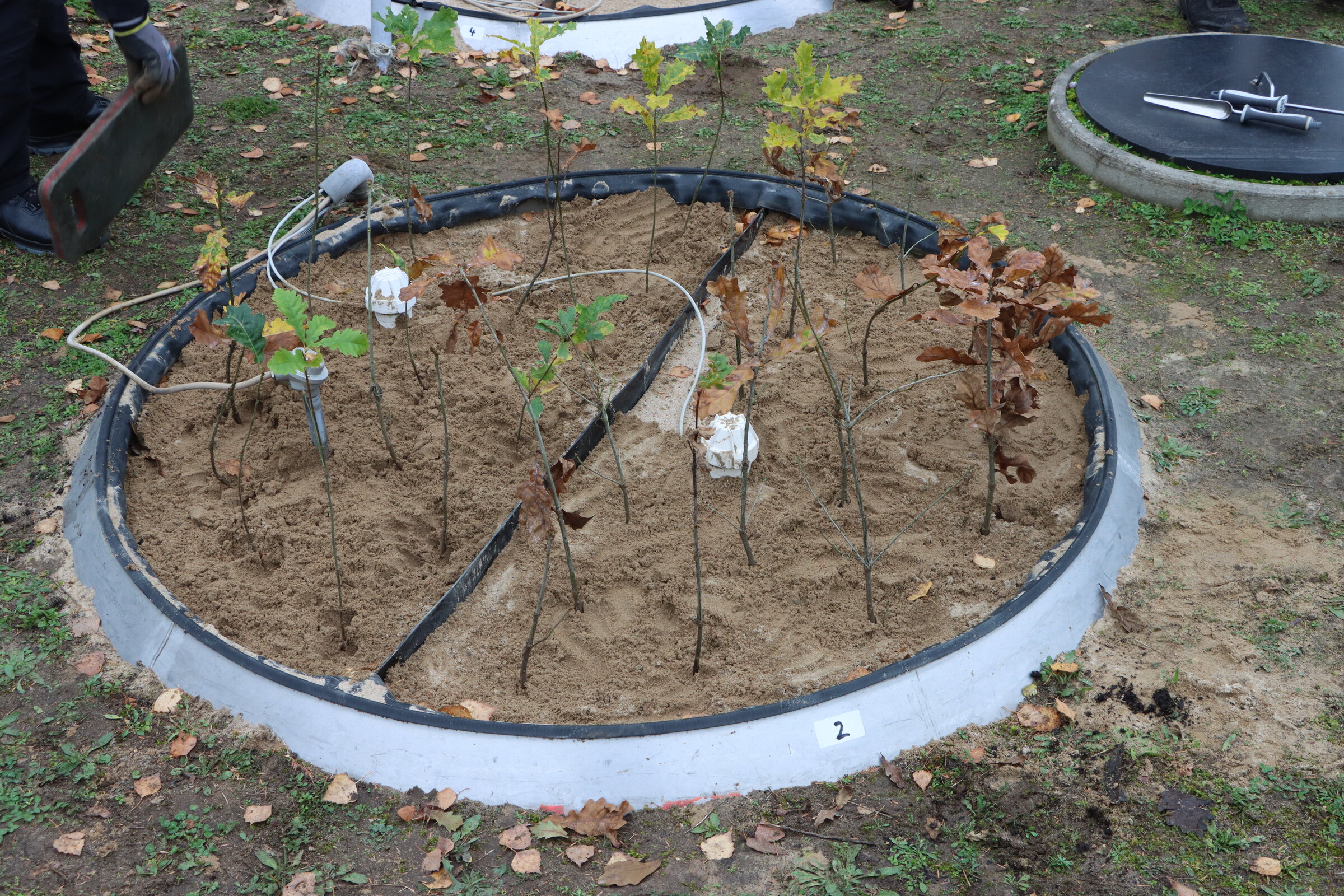
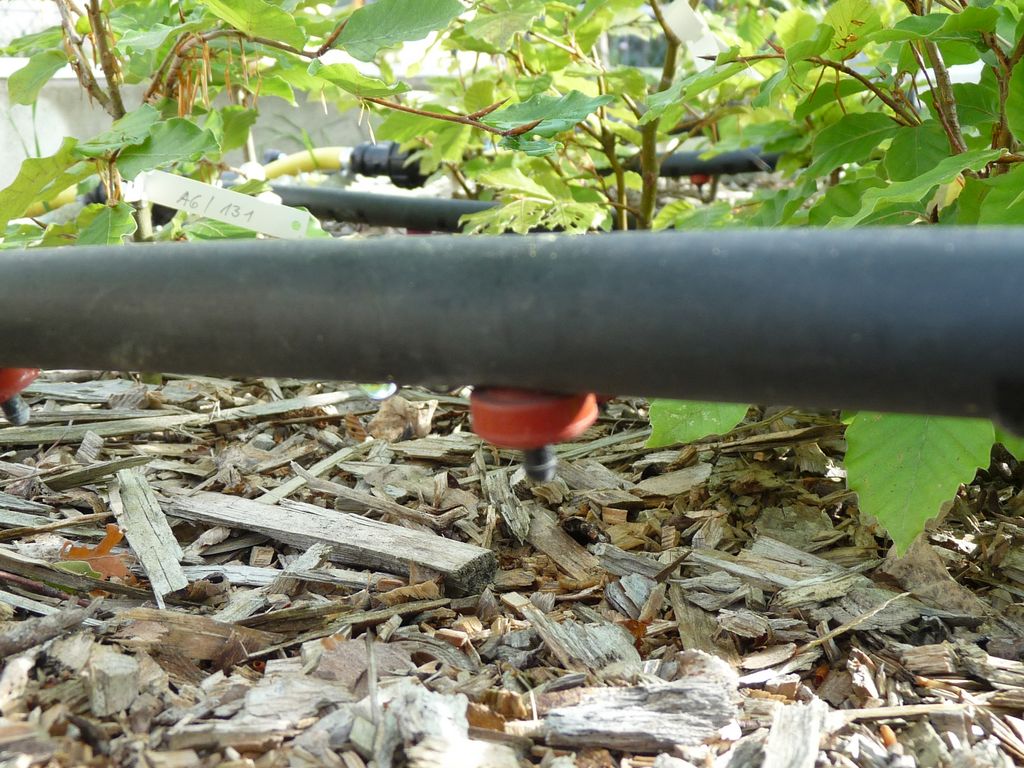
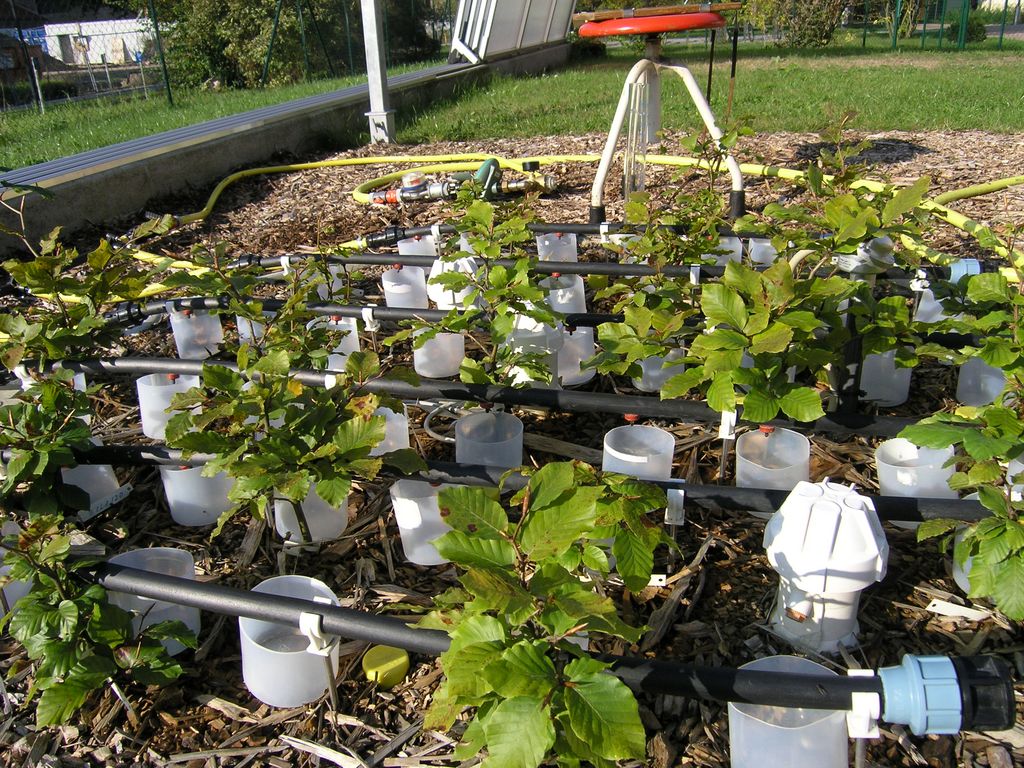
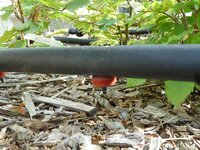
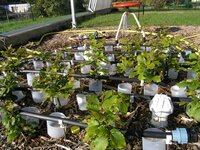
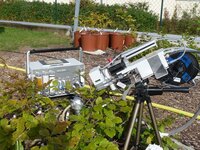
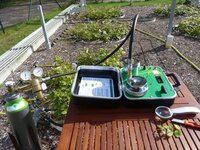
The Drylab is a system of eight soil columns, each with a surface area of two square meters, which are filled with soil substrate and embedded at ground level in the open ground, isolated from the surrounding soil. Several young trees can be planted in each soil column. A sliding, translucent roof can be used to create controlled drought conditions. There is a lot of high-tech hidden under the soil: moisture sensors measure the water content in the soil at numerous points. Special cameras move up and down in 8 tubes per lysimeter to make root growth visible. We hope that this in particular will lead to a real increase in knowledge, as the reaction of fine roots to drought has been little researched to date.
For the first test run, the Drylab was stocked with young copper beeches from Germany and Poland, which are adapted to different climatic conditions. The European beech is the most important tree species in near-natural forests in Germany and plays a central role in future forest management. The trial was used to investigate which beech origin is better able to cope with the climatic conditions of the future. Young trees are particularly significant, as they grow the fastest, but are also the most sensitive with their shallow root system. The parameters investigated, such as fine root length, fine root surface area, root index and branching index, prove that the Polish origin is more drought-adapted.
In the immediate vicinity of the Drylab, a modern climate station of the weather service provider Meteomedia (Eberswalde station) is operated in cooperation with the University for Sustainable Development, which provides important reference values for the drought simulations.
The facility can be used to make realistic statements about the future threat to today's forests and to develop strategies for adapting to the expected climate changes. The results are of central interest for the German forestry industry and for forestry policy decisions by the Federal Ministry of Food and Agriculture (BMEL), to whose department the Thünen Institute belongs.
New dry stress test started at Drylab Eberswalde
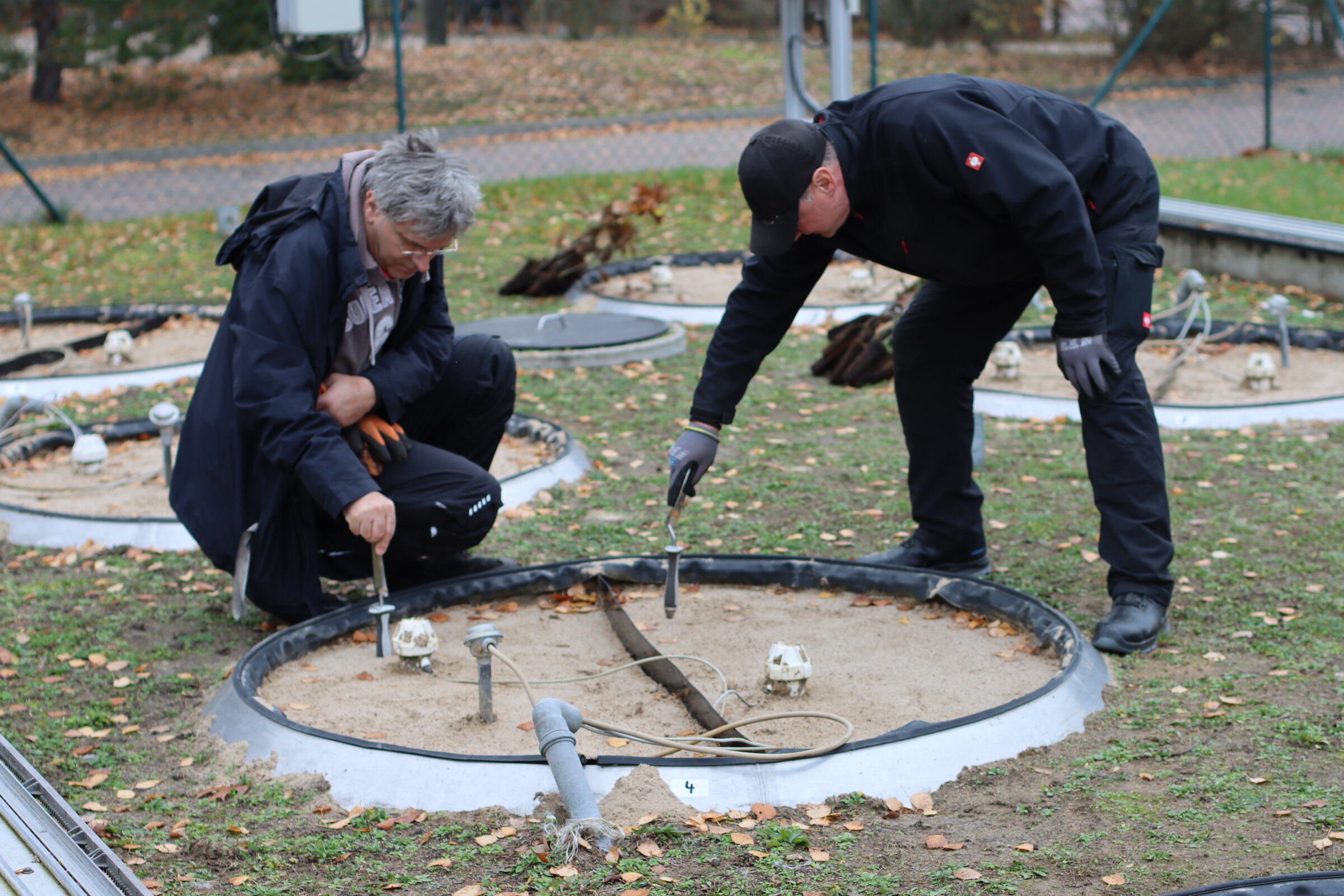
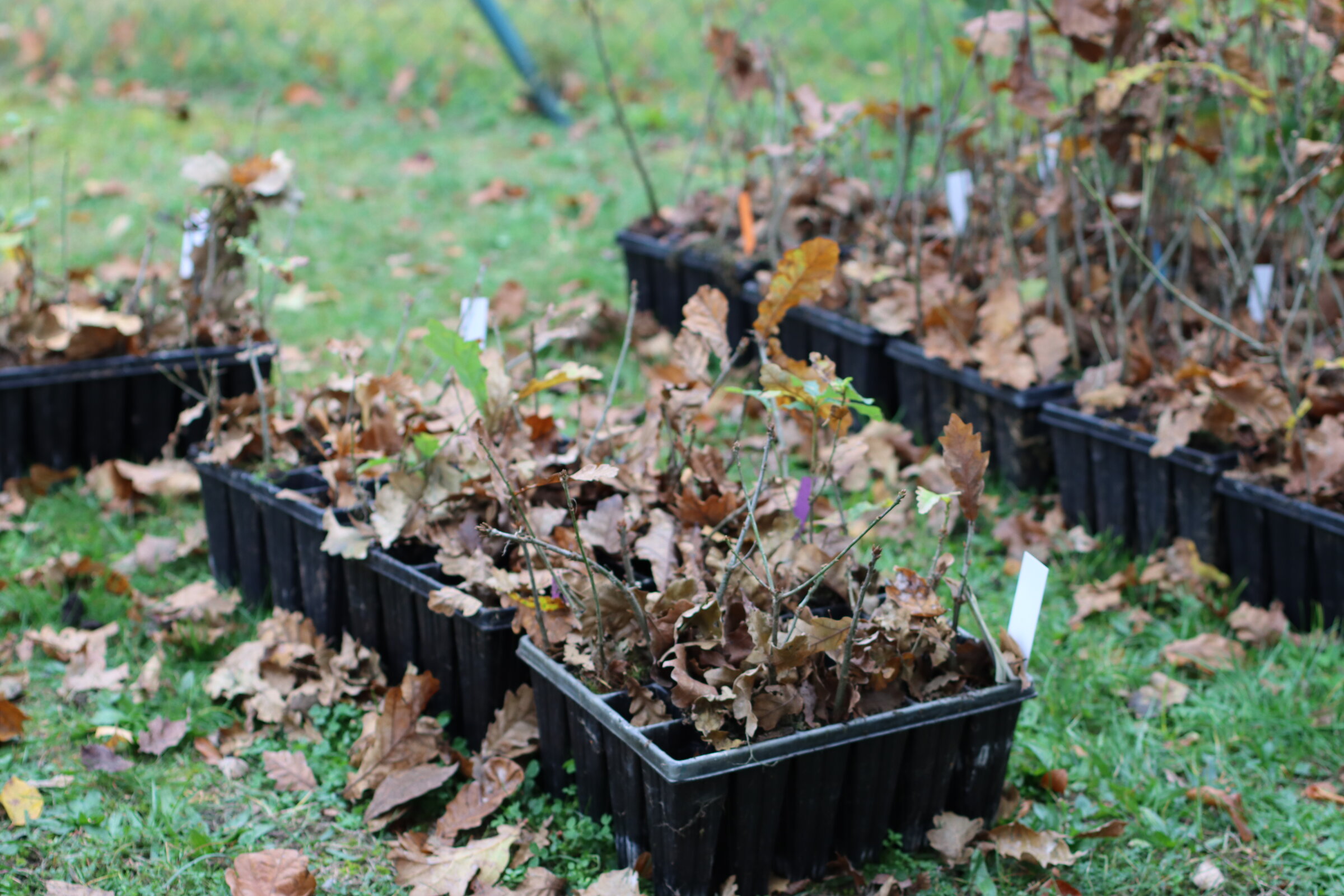
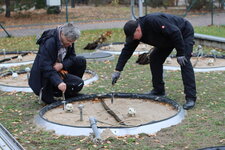
In November, we planted young sessile oaks in the lysimeters in front of the Institute of Forest Ecosystems. In the new experiment, we want to find out how well seedlings from different origins cope with drought.

The experiment that has just started is about how different origins of the sessile oak react to drought. The experiment in our Drylab is part of the Dutch research project BEHOUD (Dutch for “preservation”).
The seeds of the young seedlings come from different regions in Europe (two regions in the Netherlands, two in Germany) where the sessile oak is native. The researchers assume that the seeds and the trees growing from them from the drier regions are already better adapted to drought than the seeds from the wetter origins. Sessile oak was chosen as the tree species for this experiment because it is already well adapted to drought. The demand for sessile oak seeds and seedlings is therefore high for the conversion of coniferous forests to climate-adapted mixed forests.
Click here for the full article (only german): New dry stress test started at Drylab Eberswalde
Interesting news and further links
Presentation of the Drylaby on Instagram: Video Drylab_Teil1
Interesting post about Drylab on LinkedIn: Post New planting LinkedIn
Here you can find our Project Brief on test results from the Field-Dry Laboratory:
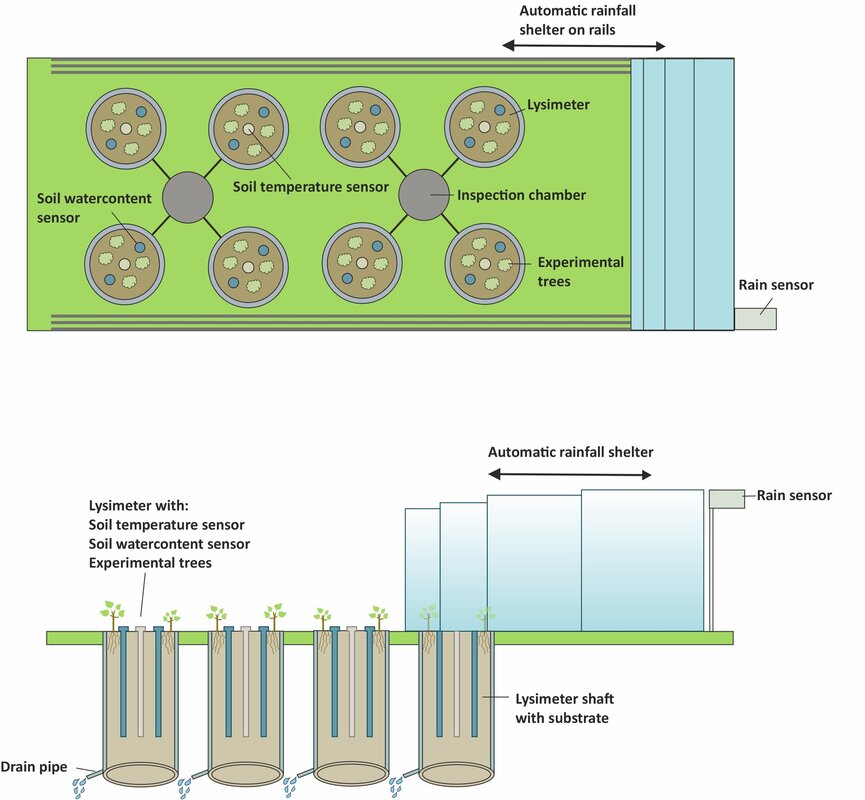
Principle sketch of the “Drylab” open-air laboratory
Images "Drylab"
Contact
- Phone
- +49 3334 3820 339
- tanja.sanders@thuenen.de
Head of Ecology and Forest Dynamics, Contact person Intensive Forest Monitoring
- Phone
- +49 3334 3820 340
- marco.natkhin@thuenen.de
Scientist